Tea Trivia and Food Facts for Your Next Cozy Afternoon Quiz
Tea may be one of the world's oldest beverages, but it's also one of the most surprising. Behind every cup lies a collection of stories involving emperors, trade routes, accidental inventions, social rituals, and culinary traditions. What begins as a simple drink quickly becomes a gateway into history, food culture, and daily life across continents.
That rich history makes tea perfect trivia material. Whether you're hosting a cozy quiz night, looking for conversation starters over afternoon tea, or simply curious about the drink in your mug, tea offers no shortage of fascinating facts. From brewing techniques to snack pairings and cultural customs, there is far more to tea than most people realize.
Where Did Tea Actually Come From?
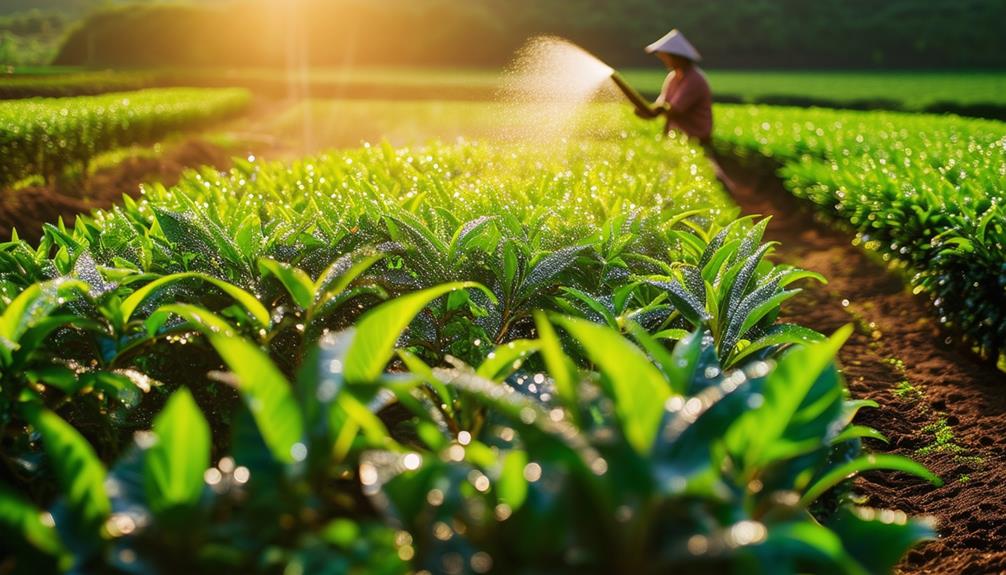
Tracing tea back to its roots leads to ancient China, where legend credits Emperor Shen Nong with discovering tea around 2737 BC. According to the story, leaves from a nearby plant drifted into his boiling water, creating an unexpectedly pleasant drink. Whether the tale is entirely factual or not, China remains the recognized birthplace of tea culture.
Over the centuries, tea spread throughout Asia before eventually reaching Europe through expanding trade networks. Merchants carried tea along routes that connected distant regions, transforming a local beverage into a global commodity. By the sixteenth and seventeenth centuries, tea had become one of the world's most sought-after imports.
Today, tea is consumed in virtually every corner of the globe. Despite countless regional variations, every cup still traces its origins back to those early traditions that emerged thousands of years ago in ancient China.
The Same Plant, Four Very Different Teas
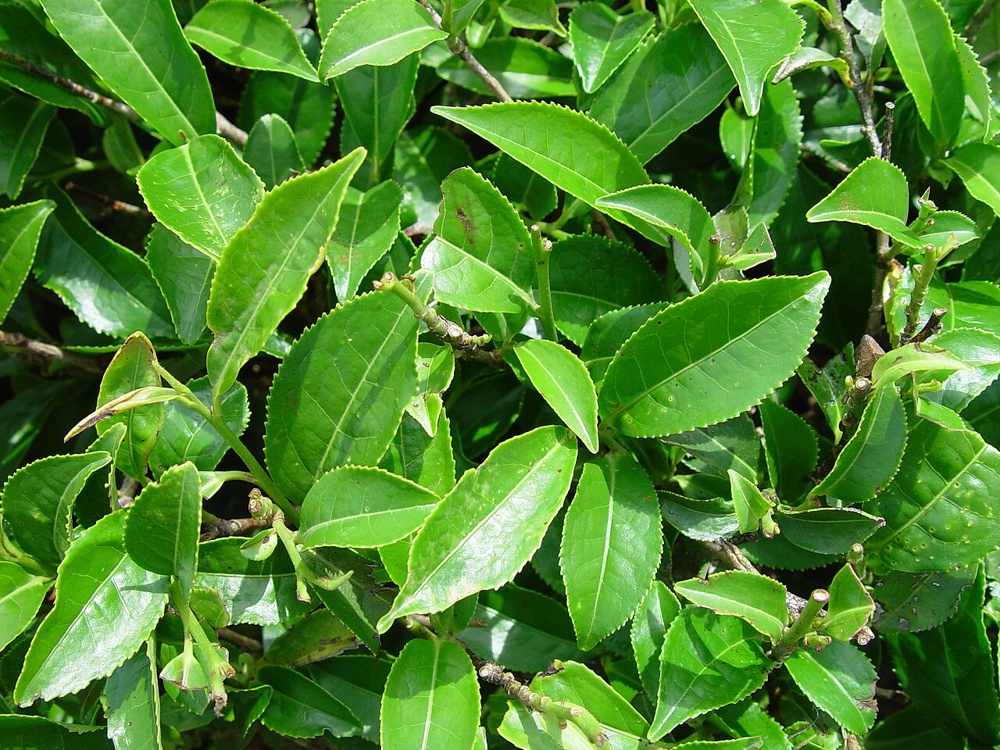
One of tea's most surprising facts is that black, green, white, and oolong tea all come from the same plant: Camellia sinensis. The dramatic differences in flavor, color, and aroma result from processing rather than entirely different plants.
Green tea undergoes little to no oxidation, preserving its lighter, grassy character. White tea receives minimal processing, creating delicate flavors. Oolong occupies the middle ground with partial oxidation, while black tea undergoes full oxidation, producing deeper and bolder notes.
This process explains why tea offers such remarkable variety despite sharing a common origin. A single plant can produce dramatically different drinking experiences simply through changes in harvesting, handling, and oxidation.
How the English Turned Tea Into a Class Ritual
Tea arrived in England as a luxury item reserved primarily for the wealthy. Over time, however, it evolved into one of the most recognizable social customs in British culture. By the nineteenth century, afternoon tea had become a fashionable daily ritual associated with hospitality and refinement.
Anna, the Seventh Duchess of Bedford, is widely credited with popularizing afternoon tea in the 1840s. What began as a way to bridge the gap between lunch and dinner soon developed into a social event featuring tea, pastries, sandwiches, and conversation. Hosting tea became a way to entertain guests and display social etiquette.
Even seemingly small details carried meaning. Debates about whether milk should be poured before or after tea reflected social distinctions and household traditions. These customs helped transform tea from a beverage into a cultural institution.
How Tea and Snacks Became a Perfect Pair
Tea and food have accompanied one another for centuries. Across cultures, tea is rarely treated as a standalone drink. Instead, it serves as the centerpiece of meals, gatherings, and small moments of hospitality.
British afternoon tea pairs black tea with scones, finger sandwiches, and pastries. In China, tea often accompanies dim sum, while Indian chai frequently appears alongside savory snacks and sweets. Moroccan mint tea is commonly served with pastries and desserts designed to complement its sweetness.
These pairings do more than enhance flavor. They create opportunities for conversation and connection. Sharing tea and snacks encourages people to slow down, gather together, and enjoy a social ritual that extends far beyond simple refreshment.
Which Countries Drink the Most Tea and How They Take It
Tea's global popularity has produced countless regional traditions. Ireland consistently ranks among the world's highest tea consumers, often surpassing England on a per-capita basis. Meanwhile, countries such as Turkey, Iran, and Russia have developed their own distinctive tea cultures, each with unique serving styles and social customs.
Preparation methods vary dramatically from one country to another. In Britain and Ireland, strong black tea is often served with milk, while Moroccan mint tea combines green tea with fresh mint and generous amounts of sugar. Turkish tea is traditionally brewed in a double teapot and served in small tulip-shaped glasses, while Russian tea culture has long been associated with the samovar, a device used to heat and serve tea for groups.
These differences make tea an excellent source of trivia. Asking how various countries prepare and serve tea often reveals fascinating insights into local customs, hospitality practices, and culinary preferences. The variety of traditions surrounding a single beverage highlights just how deeply tea has become woven into cultures around the world.
Tea Traditions That Spark Great Conversation
Some of the most memorable tea facts come from the traditions surrounding the drink. In Japan, tea ceremonies emphasize mindfulness, precision, and respect. Every movement serves a purpose, transforming tea preparation into a cultural art form that has been refined over centuries.
In Morocco, mint tea is often poured from a height to create foam and demonstrate hospitality. In India, roadside chai vendors serve millions of cups daily, making tea an essential part of everyday social life. Meanwhile, Chinese tea traditions often focus on careful preparation methods that highlight the aroma, flavor, and quality of the leaves.
These customs make excellent conversation starters because they reveal how different cultures attach meaning to the same beverage. Tea may be universal, but the rituals surrounding it remain wonderfully diverse. Learning about these traditions often leads to broader discussions about food, family gatherings, hospitality, and the ways people connect through shared drinks and meals.
How Caffeine in Tea Actually Compares to Coffee
Whether you drink it hot or iced, tea's caffeine content is one of the biggest reasons people reach for it over coffee. Tea delivers a gentler lift because antioxidants slow caffeine metabolism, reducing the sharp crash coffee often causes. Brewing impact also matters—longer steeping releases more caffeine.
Here's how tea and coffee stack up:
- Black tea contains 40–70 mg of caffeine per cup
- Black coffee contains 100–200 mg per cup
- Tea's antioxidants slow caffeine metabolism, creating steadier alertness
- Brewing impact varies—steeping time and water temperature affect caffeine levels
You're not sacrificing energy by choosing tea over coffee. You're simply getting a more controlled release, which makes it easier to stay focused without feeling wired or crashing hard afterward.
How Tea Affects Your Body Beyond Basic Hydration
Beyond hydration, what you drink in every cup of tea actually shifts how your body functions in measurable ways. Tea's antioxidant interaction with your digestive system may slow caffeine absorption, giving you steadier alertness without the sharp crash coffee often triggers. That's a real physiological difference, not just marketing.
Tea also acts as a diuretic, so it increases your need to urinate more than plain water would. If you drink black tea regularly, you should know it can inhibit iron absorption, making meal timing worth considering.
Tea also influences your oral microbiome, affecting the bacterial balance in your mouth. Some compounds in tea carry antibacterial properties that researchers continue to study. Every sip does more than quench thirst—it actively interacts with your body's systems.
Tea Facts About Taste, Leaves, and Brewing Worth Knowing
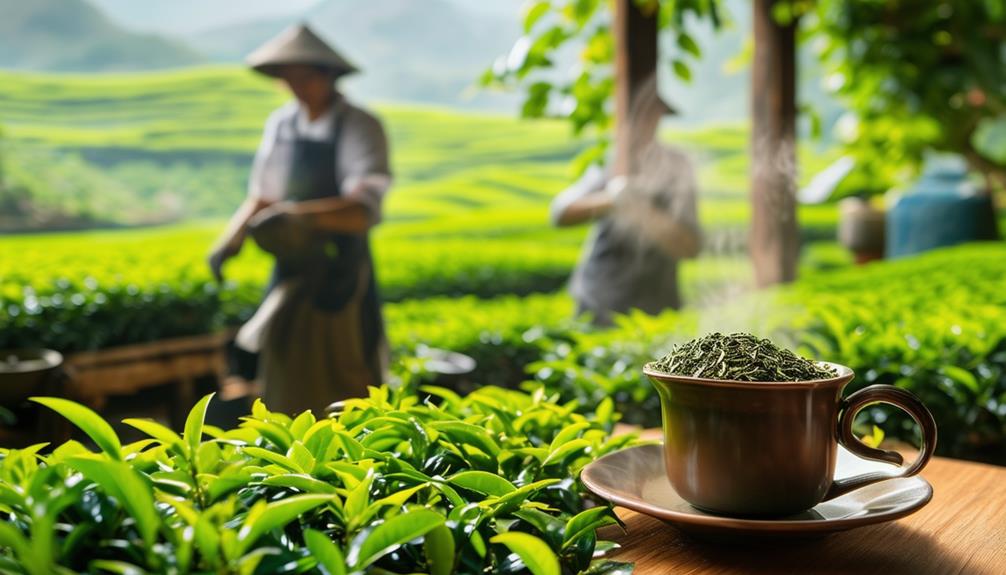
From leaf to cup, the details of how tea is prepared shape everything you taste. Loose-leaf tea delivers richer mouthfeel nuances than bagged tea because bags often hold smaller, broken leaves with less complexity. Terroir expressions also matter — where leaves grow affects flavor just as it does with wine.
Here are four brewing facts worth knowing:
- Darjeeling tea earns the nickname "champagne of teas" for its distinctive character
- One pound of loose-leaf tea yields over 200 cups
- Oxidation determines whether leaves become black, green, white, or oolong
- Approximately 3,000 tea varieties exist worldwide
Understanding these details helps you choose and brew more intentionally. Small adjustments — leaf quality, steeping time, water temperature — directly shape what ends up in your cup.
Record-Breaking Tea Facts That Sound Completely Made Up
Tea history contains plenty of facts that sound fictional but are entirely real. One of the most famous examples involves Da Hong Pao, an exceptionally rare oolong tea that has sold for extraordinary prices, earning a reputation as one of the world's most valuable teas. Stories like this demonstrate how certain teas have achieved near-legendary status among collectors and enthusiasts.
Historic tea clippers transported enormous quantities of tea across oceans, helping satisfy growing demand in Europe and beyond. Some ships carried enough tea to produce millions of cups from a single voyage. The speed of these vessels became so important that competitive tea races emerged, with merchants eager to be the first to deliver fresh harvests to market.
These unusual records are exactly the kind of facts that make tea trivia so entertaining. They're memorable, surprising, and often difficult to believe until verified. Whether discussing rare teas, massive shipments, or unusual tea-related achievements, these stories add an element of wonder that makes tea history far more fascinating than many people expect.
Why Tea Trivia Is Perfect for Cozy Gatherings
Tea trivia works especially well during relaxed social events because the subject feels familiar and approachable. Most people have some connection to tea, even if they're not experts, making it easy for everyone to participate.
Tea facts also naturally lead to stories. A question about iced tea might inspire memories of summer gatherings, while a discussion about afternoon tea could lead to conversations about family traditions and favorite snacks. For hosts looking to expand the challenge, mixing in food and drink trivia can add variety while keeping the theme centered on culinary culture and shared experiences.
That combination of information and storytelling makes tea trivia ideal for book clubs, family gatherings, afternoon tea parties, and casual quiz nights. The questions entertain while encouraging meaningful conversation.
Conclusion
Tea's enduring appeal comes from far more than its flavor. It carries centuries of history, countless cultural traditions, and a remarkable ability to bring people together. From ancient legends and royal rituals to modern snack pairings and family gatherings, tea continues to occupy a unique place in food culture.
That combination of history, hospitality, and conversation makes tea one of the richest topics for trivia enthusiasts. Every cup contains a story, and every story offers another reason to gather around the table, pour a fresh brew, and keep the conversation going.