Tea, Tradition, and Nostalgia: Why Comfort Drinks Still Matter in Food Culture
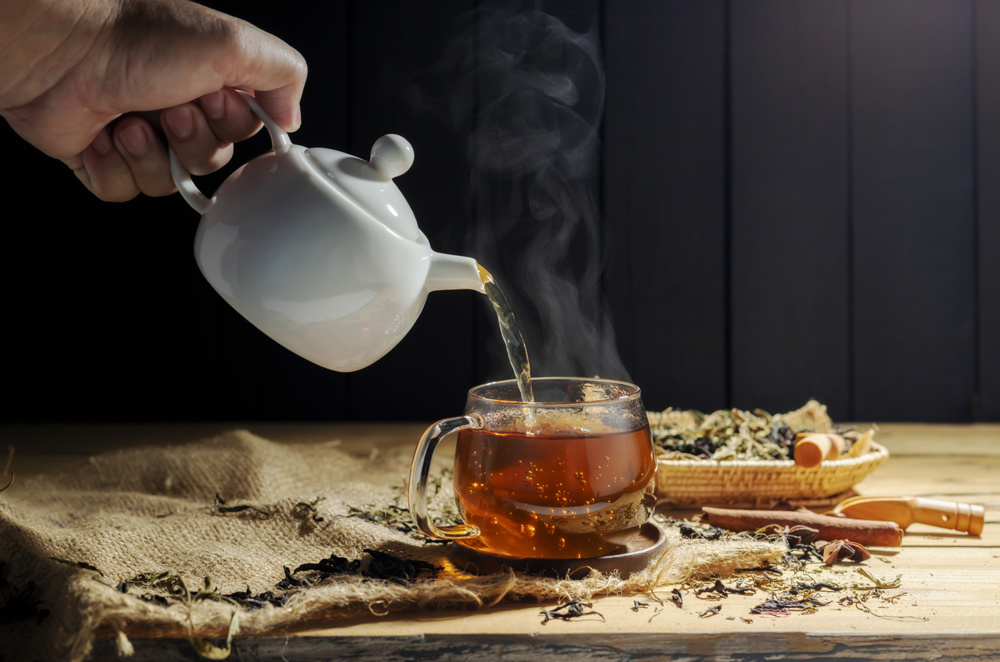
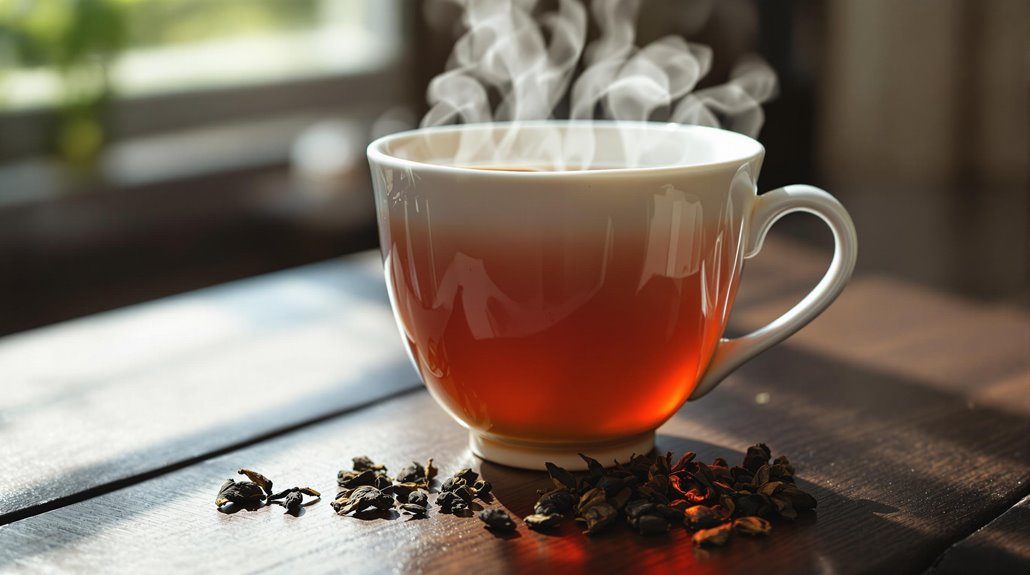
When you pour a cup of tea, you're participating in a ritual that stretches across centuries and continents. Long before modern cafés, specialty beverage trends, and social media food culture, tea served as a daily source of comfort, hospitality, and connection. Whether shared among family members at home or offered to guests as a gesture of welcome, tea has long carried meanings that extend far beyond simple refreshment.
Part of tea's enduring appeal comes from its ability to connect memory with tradition. A familiar aroma can recall childhood afternoons, family gatherings, or conversations with loved ones. Across cultures, tea functions as both a personal comfort and a shared social practice, preserving stories, customs, and identities.
Tea as Ritual, Identity, and Social Connector
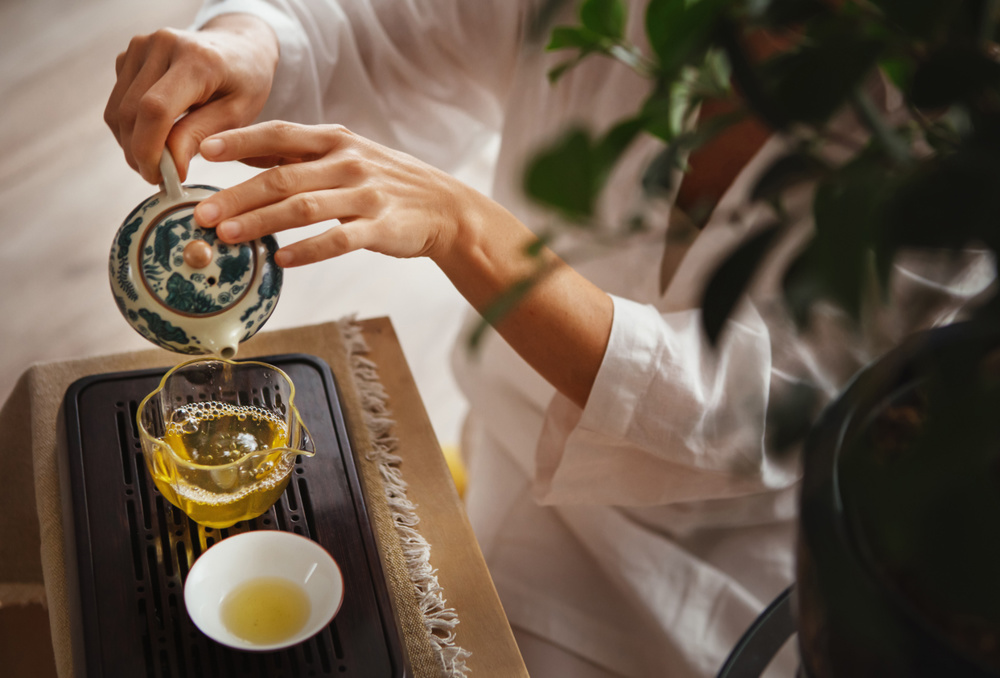
Tea doesn't simply satisfy thirst—it creates opportunities for connection. Across cultures, tea rituals help mark important moments, welcome guests, and strengthen social bonds. Whether it's English afternoon tea, Moroccan mint tea, Chinese gongfu tea, or Japanese tea ceremonies, the act of preparing and sharing tea communicates respect, hospitality, and community.
These traditions often become part of cultural identity. People learn them from parents, grandparents, and community members, making tea one of the first food-related customs many individuals encounter. The rituals surrounding preparation, serving, and drinking help reinforce a sense of belonging while preserving cultural practices that might otherwise fade over time.
Even today, tea remains a social connector. Friends meet over tea, families gather around it, and communities use it as a symbol of welcome. The specific traditions may vary from place to place, but the underlying purpose remains remarkably consistent: bringing people together.
Tea's Ancient Roots and How They Still Shape Culture
Tea's history stretches back thousands of years. Traditional accounts trace its origins to China around 2737 BC, where it was initially valued for both medicinal and social purposes. Over time, tea evolved from a practical beverage into an important cultural institution with its own rituals, etiquette, and preparation methods.
One of the most influential developments came during the Tang Dynasty when scholar Lu Yu wrote The Classic of Tea, often considered the world's first comprehensive work on tea culture. His writings elevated tea from an everyday drink to an art form, helping establish traditions that would influence generations of tea drinkers.
Many of those early customs remain visible today. Modern tea ceremonies, preparation techniques, and hospitality traditions all reflect ideas developed centuries ago. Although contemporary tea culture continues to evolve, its foundations remain deeply connected to these ancient practices.
How Tea Became a Daily Social Ritual Worldwide
Tea's journey from China to the rest of the world transformed it into one of history's most influential beverages. Trade routes carried tea across Asia, the Middle East, Europe, and eventually the Americas, introducing new cultures to both the drink and the rituals surrounding it.
As tea spread, each region adapted it to local tastes and traditions. Britain developed afternoon tea and elevenses. India transformed tea into the spiced chai served by street vendors and households alike. Turkey embraced strong black tea as a central part of hospitality. Every culture added its own customs while preserving tea's social function.
Today, tea remains one of the world's most widely consumed beverages because it fits naturally into daily routines. Whether enjoyed during a work break, shared with guests, or prepared as part of a family tradition, tea continues to create moments of connection throughout the day.
The Science Behind Tea and Nostalgic Memory
Part of tea's emotional power comes from the way the brain processes sensory experiences. Smell and taste are closely linked to memory, which is why a familiar tea blend can instantly bring back specific people, places, or moments from the past.
Researchers have found that sensory cues often trigger autobiographical memories more effectively than visual information alone. The scent of chamomile, the spices in masala chai, or the earthy notes of green tea can transport someone back to childhood kitchens, family gatherings, or comforting routines. These associations develop gradually through repeated experiences.
Because tea is often consumed during meaningful social interactions, those memories become layered over time. A single cup may carry decades of accumulated emotional associations, helping explain why tea remains such a powerful symbol of comfort and familiarity.
How Tea Shapes Who We Are, Region by Region
Where you grew up likely shapes how you first encountered tea — and that encounter carries cultural weight far beyond the cup. Regional rituals define not just how tea is prepared, but how identity gets passed down. For diaspora identities, tea often becomes the thread connecting heritage to a new home.
- A grandmother's chai recipe carried across borders
- The familiar smell of a Hong Kong milk tea café
- Bubble tea becoming a marker of Chinese-American belonging
- Street-side tea in India that made strangers feel like neighbors
You don't just drink tea — you inherit it. Each sip reconnects you to a place, a person, or a moment that shaped who you are.
Why Tea Flavors Become Family Traditions
Many families pass down tea preferences and preparation methods just as they pass down recipes. A grandparent's chai blend, a special herbal infusion, or a preferred brewing technique can become part of a family's identity and collective memory.
These traditions demonstrate how flavors preserve stories. The drinks people share during holidays, celebrations, and everyday gatherings often become powerful reminders of family history. Like many food traditions that tell a story, these beverages preserve memories, relationships, and cultural heritage across generations.
Readers interested in the connection between food traditions and cultural memory frequently find that beverages play just as important a role as meals in preserving heritage. Over time, these shared flavors become symbols of continuity. Even when family members move away or generations change, recreating a familiar cup of tea can bring back memories and strengthen connections to the past.
How Tea Houses Became Community Gathering Places
Throughout history, tea houses have served as important social spaces. In China, tea houses functioned as gathering places for conversation, business, and entertainment. Similar traditions emerged in Japan, Turkey, and other tea-drinking cultures.
These establishments offered more than refreshments. They became community hubs where people exchanged ideas, celebrated milestones, and built relationships. In many cases, tea houses played a role similar to that of modern cafés, providing a welcoming environment for social interaction.
Today's specialty tea shops continue this tradition. While the décor and menus may have changed, the basic purpose remains the same: creating spaces where people can slow down, connect, and share experiences over a comforting drink.
From Elevenses to Bubble Tea: How Traditions Evolve
Food traditions survive because they adapt. Tea culture offers a clear example of how old customs can evolve without losing their original purpose. While preparation methods and serving styles may change, tea continues to function as a source of comfort and connection.
Bubble tea illustrates this evolution particularly well. What began in Taiwan grew into a global phenomenon embraced by younger generations around the world. Despite its modern appearance, bubble tea still fulfills many of the same social functions as more traditional tea rituals.
The success of bubble tea demonstrates that traditions do not need to remain unchanged to stay relevant. Instead, they evolve alongside the communities that embrace them, finding new forms while preserving familiar meanings.
Why Younger Generations Are Rediscovering Tea
Tea has found renewed popularity among younger consumers through wellness culture, specialty beverages, and social media. Platforms like Instagram and TikTok regularly showcase aesthetically prepared teas, unique brewing methods, and innovative tea-based drinks.
Many younger consumers are also drawn to tea's perceived balance between comfort and wellness. Unlike rapidly changing beverage trends, tea offers both familiarity and variety. Specialty blends, loose-leaf teas, and international tea traditions provide opportunities for exploration while maintaining a connection to longstanding practices.
This renewed interest demonstrates tea's adaptability. Rather than being replaced by newer trends, tea continues finding new audiences while remaining rooted in its traditional role as a comforting daily ritual.
How Tea Pairs With Food Across Different Cultures
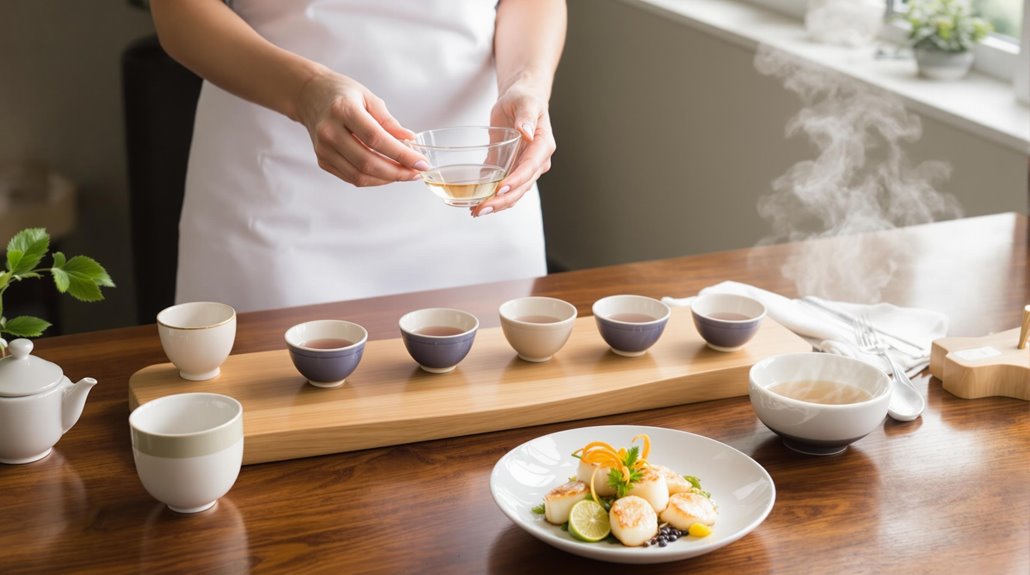
Tea doesn't just accompany food — it shapes how a meal feels. When you sip green tea alongside sushi, you're experiencing intentional flavor contrasts that cleanse your palate between bites.
These tea pairings aren't accidental; they reflect generations of culinary wisdom.
Across cultures, tea serves as one of the most thoughtful meal accompaniments you'll encounter:
- Japan: Green tea cuts through rich fish flavors, resetting your senses
- England: Black tea balances buttery scones, grounding every indulgent bite
- India: Spiced chai transforms simple snacks into deeply satisfying rituals
- China: Oolong aids digestion, making heavier meals feel lighter and complete
Each pairing connects you to something larger than flavor — it connects you to place, memory, and belonging.
Why Tea Endures When Food Culture Keeps Changing
Food culture changes constantly. New beverages rise in popularity, wellness trends emerge, and consumer preferences shift. Coffee booms, energy drinks, flavored waters, and functional beverages all compete for attention in modern markets.
Despite these changes, tea continues to thrive because it fulfills multiple roles simultaneously. It can be comforting, social, ceremonial, refreshing, and deeply personal. Few beverages occupy so many different spaces within daily life.
Tea's flexibility also contributes to its longevity. It adapts to new tastes and trends without losing its connection to tradition. That balance between innovation and familiarity helps explain why tea remains relevant generation after generation.
How Tea Connects Heritage, Memory, and Everyday Life
Whether you're brewing a cup after a long day or sharing one with family, tea carries something that goes beyond flavor — it carries memory. Through seasonal rituals and sensory storytelling, tea anchors you to people and moments that shaped who you are.
Tea connects you to heritage and everyday life by:
- Bringing back the warmth of a grandmother's kitchen during cold mornings
- Marking seasons — spiced blends in winter, iced green tea in summer
- Recreating hospitality you felt in someone else's home
- Grounding you in cultural identity when everything else feels unfamiliar
These aren't small things. Each cup activates memory, belonging, and meaning. Tea doesn't just fit into your daily routine — it quietly holds your personal and cultural history together.
Conclusion
Tea has endured for thousands of years because it offers more than refreshment. It creates rituals, strengthens relationships, preserves traditions, and helps people reconnect with meaningful memories. From ancient ceremonies to modern bubble tea cafés, tea continues serving as a powerful symbol of comfort and connection.
In a world where food trends constantly evolve, tea remains remarkably resilient. Its flavors, rituals, and shared experiences continue linking people to family history, cultural heritage, and everyday moments of belonging. That's why tea still matters—not simply as a drink, but as a tradition carried forward one cup at a time.