Tea Culture in Texas: Cafés, Traditions, and Trends
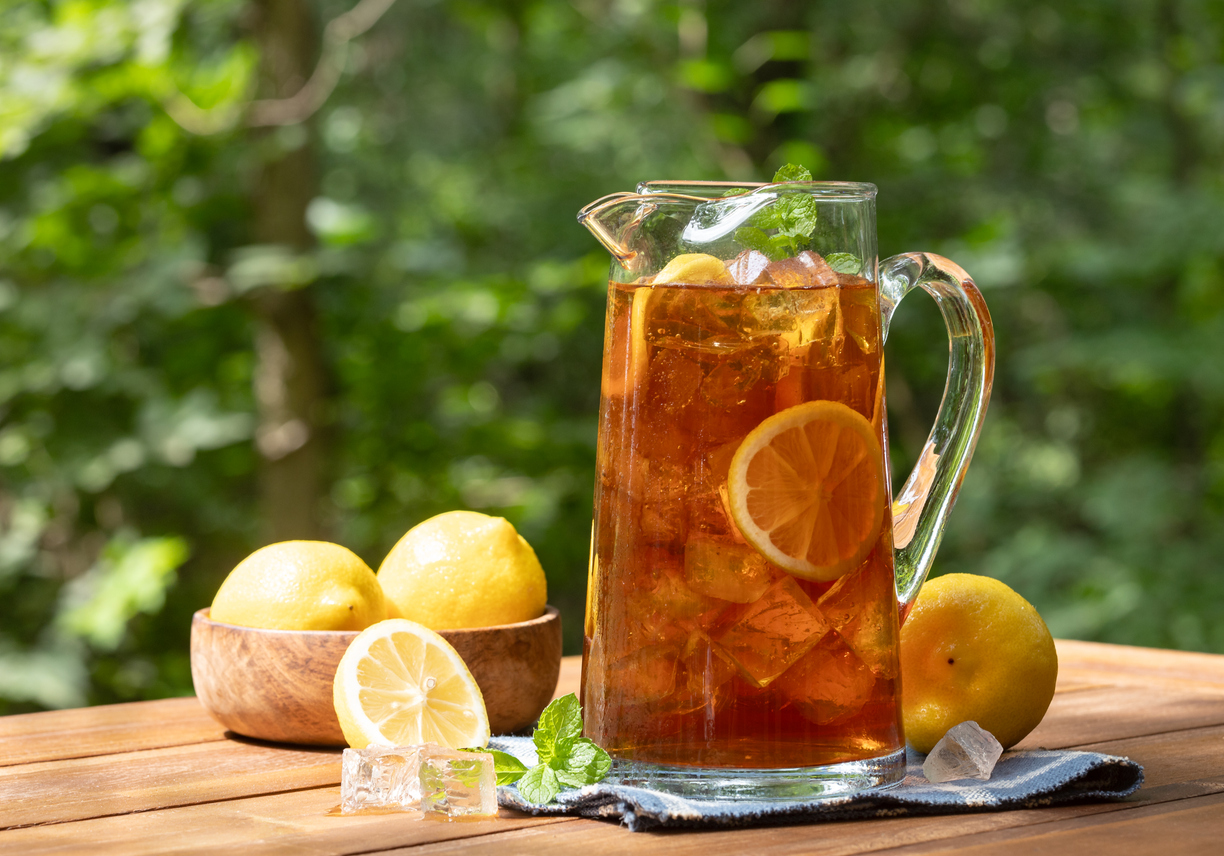
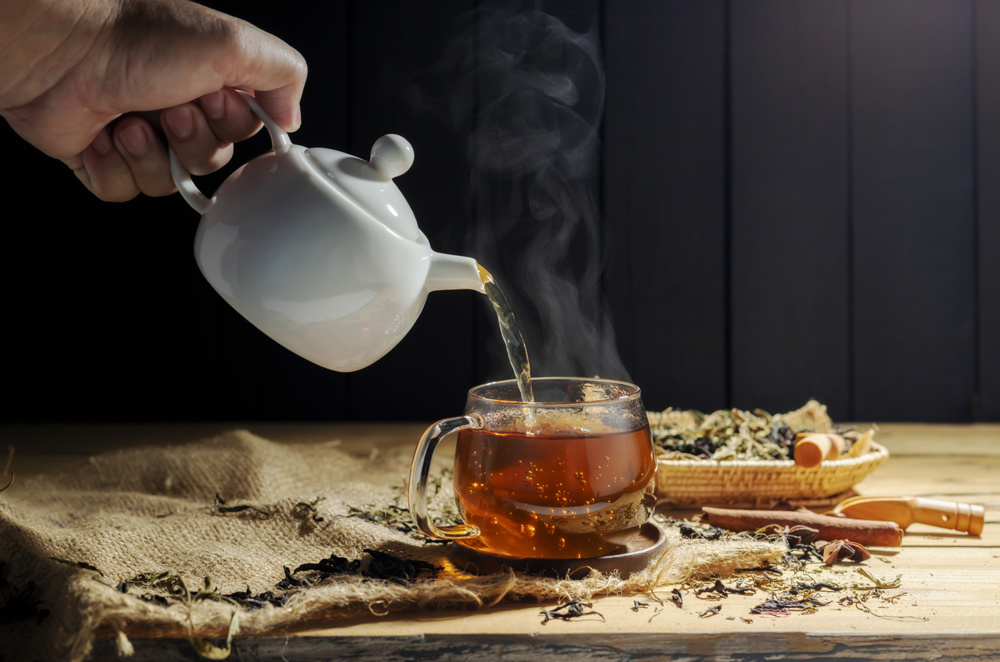
Tea culture in Texas blends traditional Southern hospitality with modern café trends, international influences, and evolving health-conscious preferences. While sweet tea remains one of the state's most recognizable beverages, Texas tea culture has expanded far beyond classic iced black tea to include specialty loose-leaf shops, elegant afternoon tea services, bubble tea cafés, herbal blends, and wellness-focused drinks. Across cities like Dallas, Houston, Austin, and Fort Worth, tea cafés now serve everything from traditional sweet tea and matcha lattes to Taiwanese milk tea and botanical infusions. This growing interest in tea reflects Texas’s diverse population, hot climate, and strong café culture, which continues shaping how Texans enjoy tea today.
Why Sweet Tea Became Texas's Signature Drink
View this post on Instagram
Sweet tea became deeply connected to Texas culture because it paired perfectly with the state’s hot climate and strong tradition of hospitality. Served ice-cold and heavily sweetened, sweet tea became a staple at family gatherings, barbecue restaurants, diners, church events, and roadside cafés across the state. Throughout Texas, restaurants commonly serve large glasses of iced tea alongside classic comfort foods like brisket, chicken-fried steak, and Tex-Mex dishes. The drink’s popularity grew alongside the expansion of Southern-style cooking traditions throughout the region. Texas also embraced sweet tea as an everyday beverage rather than a seasonal treat. Even during cooler months, iced tea remains common in restaurants throughout the state. Today, sweet tea continues to symbolize:
- Southern hospitality,
- comfort food culture,
- and casual Texas dining traditions.
How Texas Tea Traditions Differ From the Rest of the South
Although sweet tea is popular throughout the South, Texas has developed its own approach influenced by the state’s size, cultural diversity, and strong Southwestern and Mexican culinary influences. One major difference is the variety of tea styles commonly available. In many Texas restaurants and cafés, customers can choose between:
- unsweetened tea,
- lightly sweetened tea,
- traditional sweet tea,
- flavored iced teas,
- and fruit-infused blends.
Fresh lemon and lime garnishes are also especially common in Texas, particularly alongside Tex-Mex meals and grilled foods. Texas tea culture has also become more experimental than many neighboring Southern states. Urban areas like Houston, Dallas, and Austin have embraced:
- matcha cafés,
- bubble tea chains,
- loose-leaf tea bars,
- and globally inspired tea traditions.
This willingness to combine Southern traditions with international tea culture helps distinguish Texas from other Southern tea regions.
The Right Way to Brew Texas-Style Sweet Tea
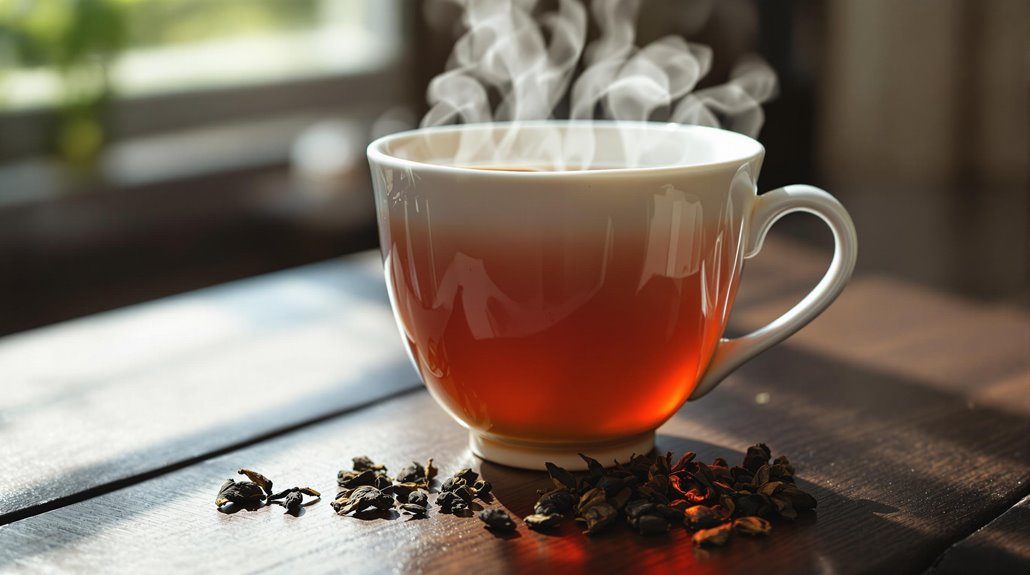
Traditional Texas-style sweet tea starts with strong black tea served over plenty of ice. Many longtime Texas recipes use family-size tea bags, generous amounts of sugar, and fresh citrus for added flavor. For a classic gallon of Texas sweet tea:
- use 3–4 family-size black tea bags,
- steep in hot water for several minutes,
- stir in sugar while the tea is still warm,
- then dilute with cold water and chill before serving.
Some home cooks add a small pinch of baking soda to reduce bitterness, though this step varies by recipe. Tea is typically served:
- ice-cold,
- with lemon wedges,
- and sometimes fresh mint.
In many Texas households, sweet tea is made daily and stored in large pitchers inside the refrigerator for easy serving throughout the day.
Best Tea Shops and Cafés Across Texas
View this post on Instagram
Texas has developed a thriving specialty tea scene that ranges from elegant tea rooms to modern bubble tea cafés and wellness-focused tea bars. In Fort Worth, Brewed serves coffee and loose-leaf tea alongside pastries and brunch favorites in a casual café setting. Nearby, Leaves Book and Tea Shop combines tea service with books and community events, creating a quieter, more traditional tea experience. In Keller, Pattea Lou’s Tea Room offers reservation-based afternoon tea with tiered trays, seasonal menus, and classic tea service presentations. Dallas has seen major growth in bubble tea culture, with chains like Feng Cha, Gong Cha, and Kung Fu Tea operating throughout the metroplex. Many locations serve Taiwanese milk teas, fruit teas, cheese foam drinks, and customizable toppings. In Houston, one of the country’s largest and most diverse tea markets continues expanding through Asian-owned tea cafés and specialty beverage shops located throughout neighborhoods like Chinatown and Bellaire Boulevard. Austin’s café culture has also fueled interest in:
- matcha drinks,
- herbal infusions,
- loose-leaf teas,
- and wellness-focused beverages.
Texas tea culture has also expanded through modern iced tea chains like HTeaO, which helped popularize specialty tea flavors and customizable tea combinations across the state.
Afternoon Tea Experiences Growing in Popularity
View this post on Instagram
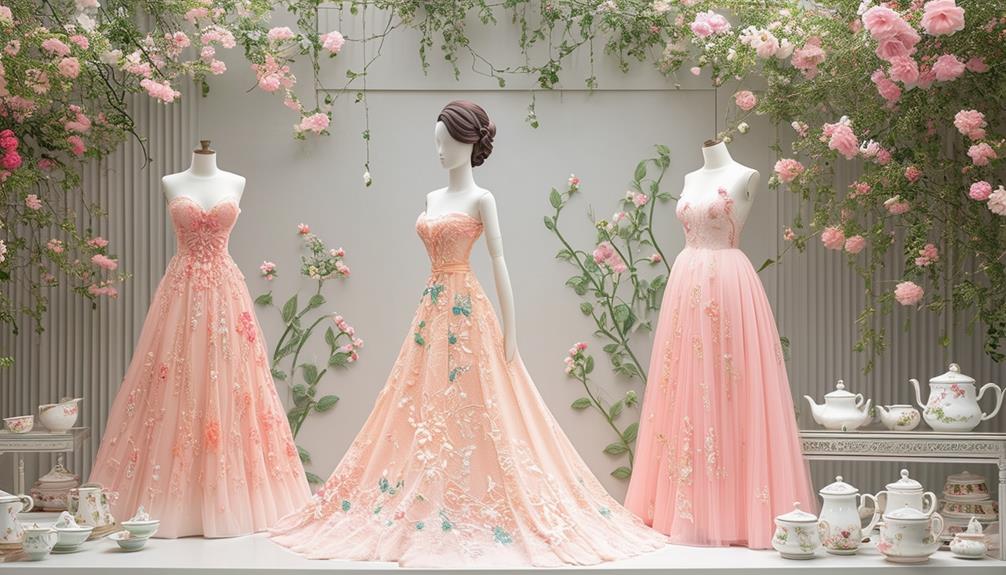
Traditional afternoon tea has also become increasingly popular across Texas, especially in upscale hotels, tea rooms, and boutique cafés. Hotels like The St. Regis Houston, The Adolphus in Dallas, and The Driskill in Austin have offered afternoon tea experiences featuring:
- loose-leaf teas,
- finger sandwiches,
- pastries,
- and seasonal desserts.
These experiences combine classic British-inspired tea traditions with modern Texas hospitality and have become especially popular for birthdays, bridal showers, holidays, and weekend outings. Tea rooms throughout Texas often rotate seasonal themes and locally inspired menus, helping afternoon tea evolve into both a culinary and social experience.
How Specialty Teas Are Changing Texas Preferences
Health-conscious consumers are helping reshape tea preferences throughout Texas. Many Texans are increasingly choosing:
- green tea,
- herbal blends,
- matcha,
- turmeric teas,
- adaptogenic drinks,
- and low-sugar beverages.
Specialty cafés frequently feature ingredients like:
- hibiscus,
- lavender,
- ginger,
- citrus,
- mint,
- and tropical fruits.
Cold-brew tea and sparkling tea beverages have also become more common, especially during Texas summers when lighter, refreshing drinks are in high demand. Younger consumers in cities like Dallas, Houston, and Austin continue driving demand for:
- premium loose-leaf teas,
- aesthetically presented café drinks,
- and internationally inspired tea menus.
Bubble Tea and International Tea Culture in Texas
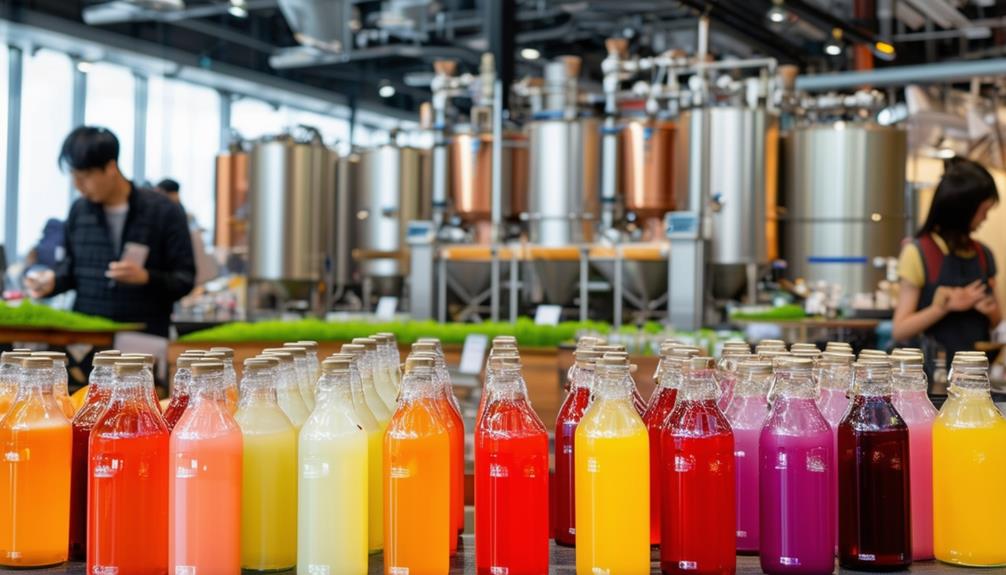
Bubble tea has become one of the fastest-growing segments of Texas tea culture. Originally popularized through Taiwanese tea traditions, bubble tea shops now operate in nearly every major Texas metro area. Texas cities with large Asian American communities — particularly Houston, Dallas, Plano, Richardson, and Sugar Land — have seen rapid growth in specialty tea cafés offering:
- milk teas,
- fruit teas,
- brown sugar boba drinks,
- matcha beverages,
- and blended frozen teas.
Many shops now emphasize:
- house-made syrups,
- premium loose-leaf brewing,
- and customizable sweetness levels.
The popularity of bubble tea has also introduced many Texans to broader Asian tea traditions and modern tea preparation methods.
What Climate and Demographics Mean for Texas Tea's Future
Texas’s hot climate continues supporting strong demand for iced tea and cold beverages throughout most of the year. At the same time, the state’s rapidly growing and increasingly diverse population is expanding interest in global tea traditions and specialty café experiences. As younger Texans embrace café culture and wellness trends, tea businesses are adapting by offering:
- healthier alternatives,
- lower-sugar options,
- plant-based ingredients,
- and visually appealing drinks designed for social media sharing.
Texas tea culture now reflects a combination of:
- Southern traditions,
- multicultural influences,
- wellness trends,
- and modern café culture.
That blend continues shaping one of the country’s most dynamic regional tea scenes.
Conclusion
Tea culture in Texas continues evolving while still honoring the traditions that made sweet tea a statewide staple for generations. From backyard pitchers of iced tea to elegant afternoon tea rooms and modern bubble tea cafés, Texas offers a wide range of tea experiences shaped by climate, culture, and community. Whether enjoying classic sweet tea at a barbecue restaurant, sipping matcha in Austin, or visiting a bubble tea café in Houston or Dallas, Texans continue embracing tea as both a daily ritual and a social tradition. Across the state, tea culture remains deeply tied to hospitality, creativity, and the constantly evolving food and beverage scene.