Houston Tea Culture: Best Boba, Matcha Cafés, and Teahouses to Visit
You'll discover Houston's tea culture along Bellaire Boulevard, where Taiwanese boba shops, Japanese matcha cafés, and Chinese teahouses create one of the most diverse tea scenes in the United States. This vibrant landscape grew from immigration waves following the 1965 Immigration and Nationality Act, when Asian entrepreneurs established import networks connecting Houston to major tea-producing regions across Asia. Today, you can explore everything from Sharetea’s bubble tea to traditional loose-leaf selections at specialty tea shops, along with innovative tea-based drinks at restaurants and cocktail bars that blend centuries-old ingredients with modern flavors.
Where to Find Bubble Tea and Boba Shops in Houston
View this post on Instagram
Houston’s bubble tea scene thrives along Bellaire Boulevard in the city’s Chinatown/Asiatown district, where you'll find a dense concentration of shops serving classic milk teas and creative seasonal blends. Popular locations include:
- Gong Cha (9889 Bellaire Blvd)
- Feng Cha (multiple Houston locations)
- Tea Top (Bellaire and Katy locations)
- Yumcha (Bellaire Blvd)
- 7 Leaves Café (multiple Houston-area locations)
Nearby dessert cafés like Meet Fresh (9393 Bellaire Blvd) complement the scene with Taiwanese-style desserts and teas. Beyond Chinatown, chains like Kung Fu Tea and Sharetea have expanded across Houston, including areas like Midtown, Katy, and Sugar Land, making high-quality boba accessible throughout the metro.
How Asian Immigration Built Houston's Tea Culture
Houston’s tea culture reflects generations of immigration from China, Taiwan, Vietnam, Korea, and Japan. Rather than growing tea locally, these communities built strong import and retail networks, bringing authentic teas and preparation methods to the city. The expansion of Asian-owned grocery stores, cafés, and restaurants in the late 20th century made specialty teas widely available. By the 2000s, bubble tea shops and modern tea cafés began reshaping Houston’s beverage landscape, introducing younger audiences to milk teas, fruit teas, and matcha-based drinks.
Houston's Best Matcha Cafés and Specialty Tea Shops
View this post on Instagram
Houston’s matcha scene has grown rapidly, with cafés focusing on high-quality powders and creative drinks. Notable spots include:
- Matcha Café Maiko (multiple Houston locations) – Known for matcha soft serve and desserts
- La La Land Kind Café (River Oaks, The Heights) – Popular for iced matcha and minimalist aesthetic
- Honey Art Café (Chinatown area) – Customizable matcha drinks and desserts
- Ninja Matcha (Bellaire area) – Offers matcha pastries and specialty drinks
These cafés highlight both traditional preparation and modern interpretations, making matcha more accessible to a broader audience.
Japanese and Chinese Tea Traditions in Houston Teahouses
While many Houston tea spots focus on casual service, some locations still reflect traditional tea practices. Chinese tea shops emphasize loose-leaf varieties like oolong, pu-erh, and jasmine, while Japanese-inspired cafés incorporate matcha into both beverages and desserts. Specialty tea retailers and cafés allow customers to explore brewing techniques and tea origins, even if full ceremonial experiences are less common in everyday settings.
Where Taiwanese Boba Entrepreneurs Opened Houston's Top Spots
View this post on Instagram
Houston’s bubble tea growth can be traced back to early shops like Tapioca House, which helped introduce milk tea culture to the city. Today’s landscape includes both international chains and locally owned shops:
- Kung Fu Tea
- Sharetea
- Gong Cha
- Kim’s Tea House (Houston-based chain)
- Tea Top
These businesses helped turn Houston into a major hub for modern Asian beverage trends, including fruit teas, cheese foam drinks, and brown sugar milk teas.
Houston Tea Cocktail Bars Blending Asian and Craft Mixology
Tea has also made its way into Houston’s cocktail scene, where bartenders use it as a base ingredient rather than just a garnish. At restaurants like The Blind Goat (Bravery Chef Hall), tea-infused cocktails incorporate flavors like jasmine, oolong, and matcha into layered drinks. Other bars experiment with milk tea cocktails and Asian-inspired ingredients, reflecting Houston’s evolving food and beverage culture.
Tea Trends Shaping Houston’s Beverage Scene
Houston’s tea culture continues to evolve with global trends and local innovation:
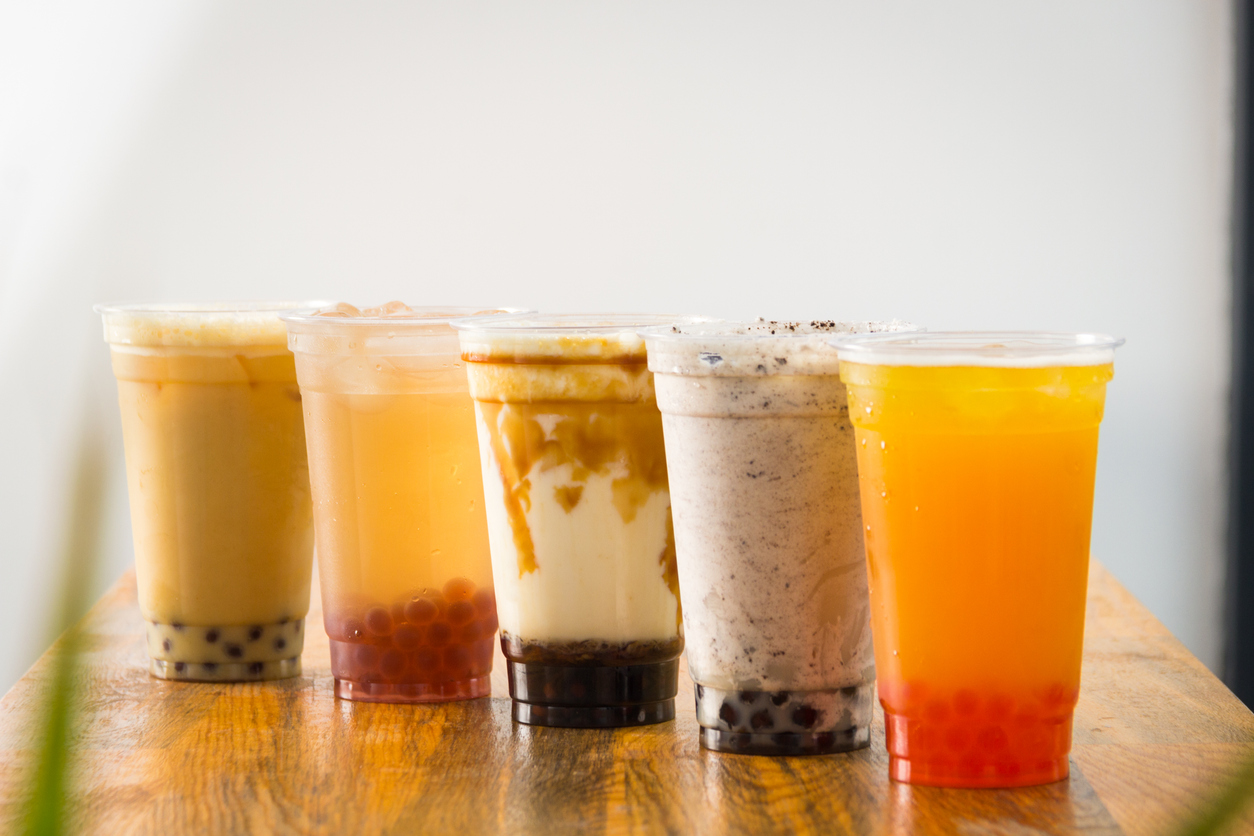
- Cheese Foam Toppings: A creamy, slightly salty layer added to fruit teas and green teas for contrast
- Brown Sugar Milk Tea: Caramelized syrup creates a rich, dessert-like drink with visual “tiger stripe” patterns
- Fresh Fruit Teas: Made with real fruit slices and tea bases, offering lighter, refreshing alternatives
- Low-Sugar and Custom Sweetness Options: Most shops allow 0%, 25%, 50%, 75%, or 100% sweetness levels
- Plant-Based Milk Alternatives: Oat milk and almond milk are now widely available
- Tea-Based Desserts: Matcha soft serve, tea jelly, and milk tea ice cream
These trends reflect a shift toward customization, health-conscious choices, and visually appealing drinks.
Neighborhood Guide to Houston's Asian Tea Districts
Houston’s tea culture is spread across several neighborhoods, each offering a different experience:
- Chinatown / Asiatown (Bellaire Blvd): The city’s main hub for bubble tea, dessert cafés, and traditional tea shops
- Midtown: A mix of modern tea chains and Vietnamese cafés
- Sugar Land: Family-friendly tea shops and dessert spots
- Katy / West Houston: Growing suburban clusters of popular chains
These areas showcase how tea culture continues to expand alongside Houston’s diverse population.
Why Houston Teahouses Became Multicultural Gathering Spaces
Tea shops in Houston serve as more than just beverage stops—they function as community gathering spaces. Students, families, and professionals use these cafés for studying, socializing, and informal meetings. The relaxed atmosphere and customizable drinks make them accessible to a wide audience, helping bridge cultural gaps and introduce new traditions to the broader community.
English Afternoon Tea Service in Houston Cafés
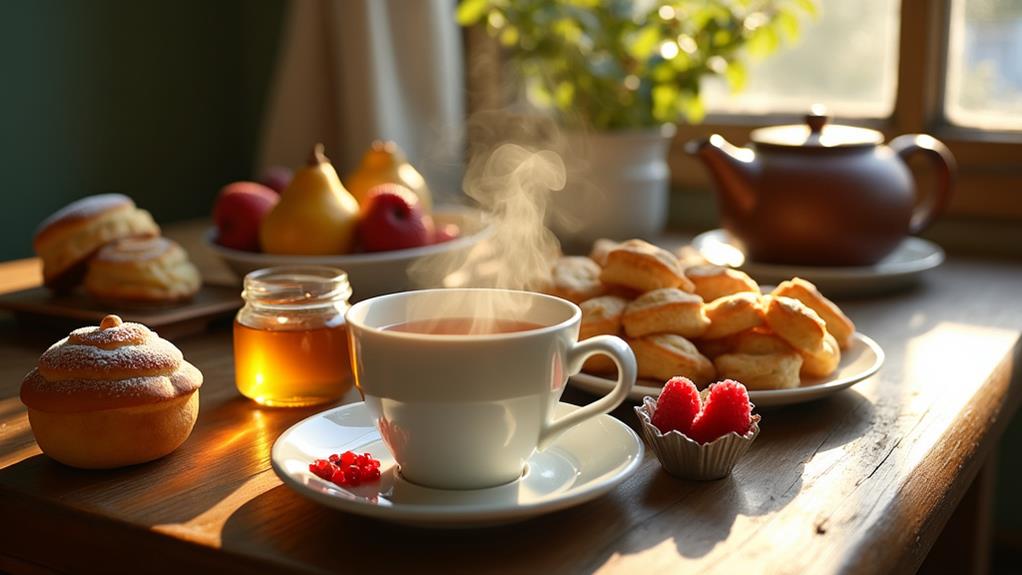
Houston also offers traditional English afternoon tea experiences, providing a different perspective on tea culture. Notable venues include:
- The St. Regis Houston – Known for formal afternoon tea service
- The Houstonian Hotel, Club & Spa – Offers elegant tea experiences
- McHugh Tea Room (Heights area) – A popular local option
Typical service includes tea sandwiches, scones with cream and jam, and pastries, with pricing generally ranging from $35 to $75 per person.
How Asian Tea Businesses Transformed Houston's Beverage Economy
Between 2019 and the early 2020s, Houston saw rapid growth in tea and boba shops, reflecting increased demand for specialty beverages and customizable drinks. The expansion of tea chains and independent cafés contributed to a broader shift toward health-focused and globally influenced beverages, with options like fruit teas, low-sugar drinks, and plant-based milk alternatives becoming widely available.
Beginner’s Guide to Popular Tea Types
If you're new to tea, understanding the basics can help you navigate Houston’s diverse menus:
- Milk Tea: Black or green tea mixed with milk and sweetener, often served with tapioca pearls (boba).
- Matcha: Finely ground Japanese green tea powder with a rich, slightly bitter flavor and creamy texture.
- Oolong Tea: A partially oxidized tea with a flavor profile between green and black tea—often floral or roasted.
- Green Tea: Light, fresh, and slightly grassy, commonly used in fruit teas and iced drinks.
- Black Tea: Strong and bold, forming the base of most classic milk teas.
- Fruit Tea: Tea blended with fresh fruit flavors, usually served iced and without milk.
Tip: If you're unsure where to start, try a classic milk tea with 50% sweetness or a fresh fruit green tea for a lighter option.
Conclusion
Houston’s tea culture reflects the city’s diversity, blending Asian traditions, modern café trends, and European influences into a dynamic and evolving scene. Whether you're exploring Chinatown’s boba shops, enjoying matcha in a minimalist café, or experiencing a formal afternoon tea, Houston offers a wide range of tea experiences shaped by global traditions and local creativity.