What Is the Purpose of a Tea House?

You visit a tea house to engage yourself in a serene environment where you can enjoy high-quality tea and connect with cultural traditions. It's a place for socializing, meditating, and savoring delicious treats that complement your drink. You'll often find community events, art displays, and educational workshops that improve your appreciation of tea's history and preparation. The atmosphere in a tea house fosters relaxation and a deeper connection with the present moment. Regardless of if you're catching up with friends or seeking solitude, tea houses offer a unique and enriching experience. Uncover the many facets that make these places special.
Key Takeaways
- Tea houses serve as cultural hubs, preserving and promoting tea traditions through ceremonies and rituals.
- They provide a serene environment for mindfulness, reflection, and escape from daily stress.
- Tea houses act as social gathering places, fostering relaxation, conversation, and community bonding.
- They offer culinary experiences with food pairings that complement various teas, including options for diverse dietary preferences.
- Tea houses host educational workshops and tasting sessions to deepen knowledge and appreciation of tea.
Historical Background
The history of tea houses dates back several centuries, originating in East Asia where they played a vital role in social and cultural life. In countries like China and Japan, tea houses became central hubs for tea ceremonies, fostering a sense of community and tranquility. You'd find that these tea ceremonies weren't just about drinking tea; they were intricate rituals meant to promote mindfulness and respect.
Architectural styles of tea houses varied by region but shared common themes of simplicity and harmony with nature. Japanese tea houses, for instance, often featured tatami mats, shoji screens, and a minimalist design that aimed to create a serene environment. Chinese tea houses, on the other hand, might incorporate more elaborate woodwork and decorative elements, yet still adhered to principles of balance and natural beauty.
When you step into a traditional tea house, you're not just entering a space; you're engaging with a historical tradition that has been refined over centuries. The design and function of these spaces were carefully crafted to improve the tea-drinking experience, making every visit an experience through time and culture.
Cultural Significance
Stepping into a tea house today, you engage with a living tradition that extends far beyond mere architecture and historical roots. It's a sensory expedition through time and across cultures, where tea customs shape your experience. In Japan, you might witness the careful precision of a tea ceremony, emphasizing harmony, respect, purity, and tranquility. Meanwhile, in China, the Gongfu tea ceremony focuses on the art of brewing, highlighting the skillful preparation and appreciation of fine teas.
But it's not just about Asia. Globally, tea houses adapt these customs to reflect diverse cultures. In the UK, a tea house might serve afternoon tea with scones and clotted cream, reflecting British elegance and tradition. Moroccan tea houses offer mint tea, symbolizing hospitality and social warmth. Each variation tells a story, connecting you to the cultural fabric of the place.
These global variations in tea customs enrich your understanding of different societies. Each sip becomes a lesson in cultural appreciation, teaching you about values, history, and social practices. By participating in these traditions, you contribute to their preservation and evolution, ensuring that these rich customs continue to thrive.
Social Gathering Place
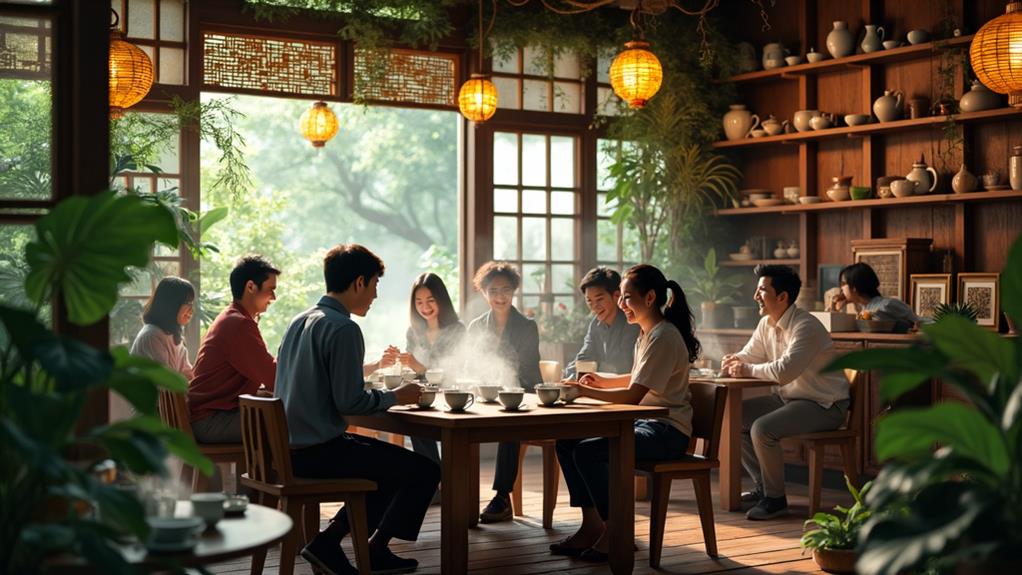
A tea house serves as a lively social gathering place where people come together to relax, converse, and bond over a shared love of tea. When you step inside, you're greeted by an inviting atmosphere that effortlessly fosters friendship bonds. It's not just about the tea; it's about the connections you make. Conversations flow easily, as the setting itself acts as a conversation starter, encouraging you to engage with others.
People frequent tea houses for diverse reasons:
- Catch up with friends: It's the perfect spot to meet old friends and share stories.
- Meet new people: You'll often find yourself striking up conversations with strangers who share your passion for tea.
- Celebrate special occasions: Birthdays, anniversaries, or just because—it's a warm and welcoming venue for any celebration.
- Business meetings: The relaxed environment can make business discussions more pleasant and productive.
- Cultural exchange: Learn about different traditions and customs related to tea from fellow patrons.
In a tea house, the act of sharing tea transcends mere drinking. It's an experience that brings people together, creating a sense of community and strengthening the bonds of friendship. The tea house becomes a sanctuary where meaningful interactions blossom naturally.
Meditative Practices
Finding tranquility in the modern fast-paced world can be a challenge, but tea houses offer an ideal setting for meditative practices. When you step into a tea house, you're welcomed by a serene ambiance perfect for escaping daily stress. Tea houses are not just about drinking tea; they're a haven where you can engage in mindfulness techniques that help center your thoughts and promote inner peace.
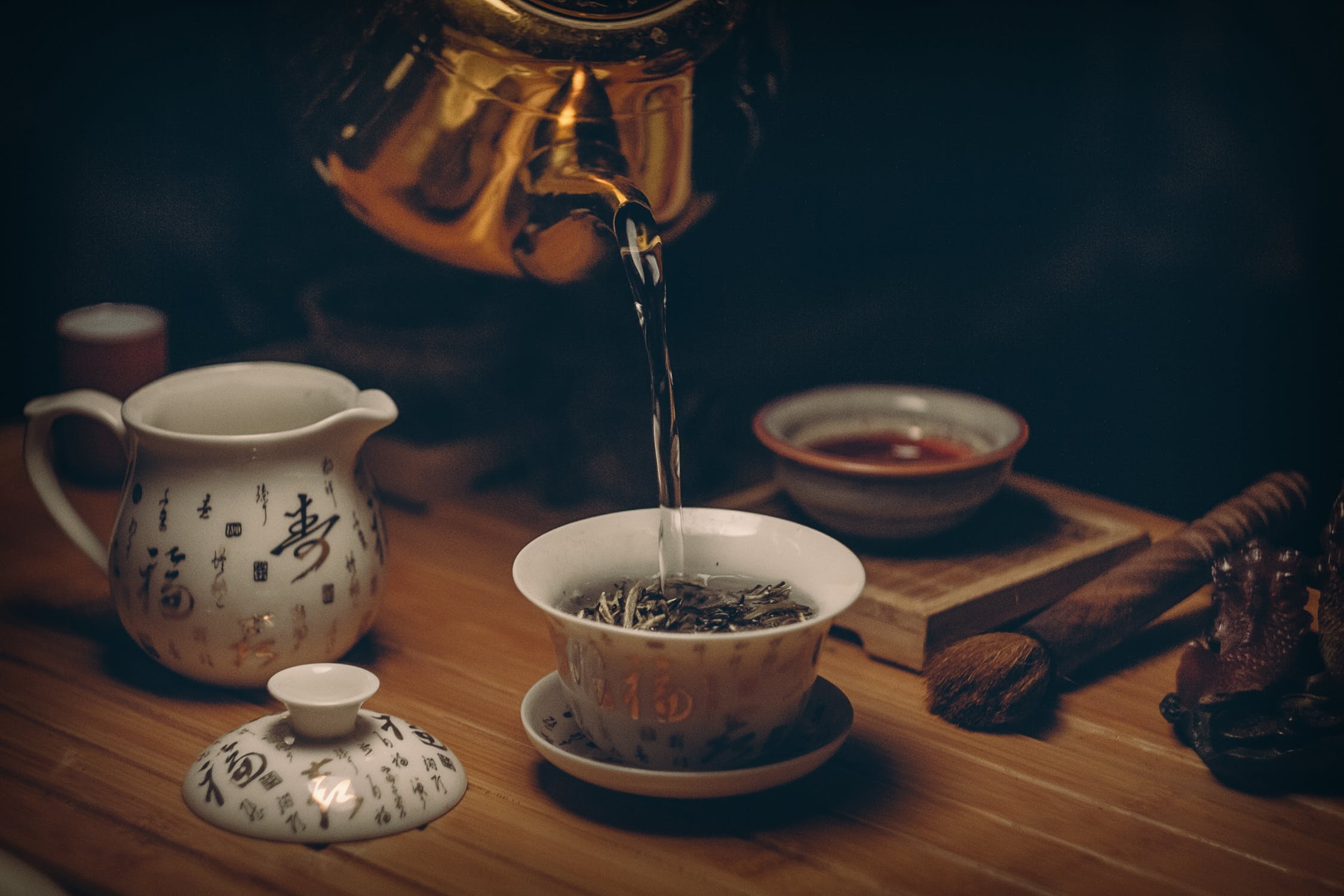
One of the core elements of tea houses is the tea ritual itself. These rituals are carefully designed to encourage a slower pace, allowing you to focus on each step of the process. As you pour hot water over the tea leaves, listen to the sound and observe the steam rising. Each moment becomes an opportunity for mindful reflection.
Culinary Experiences
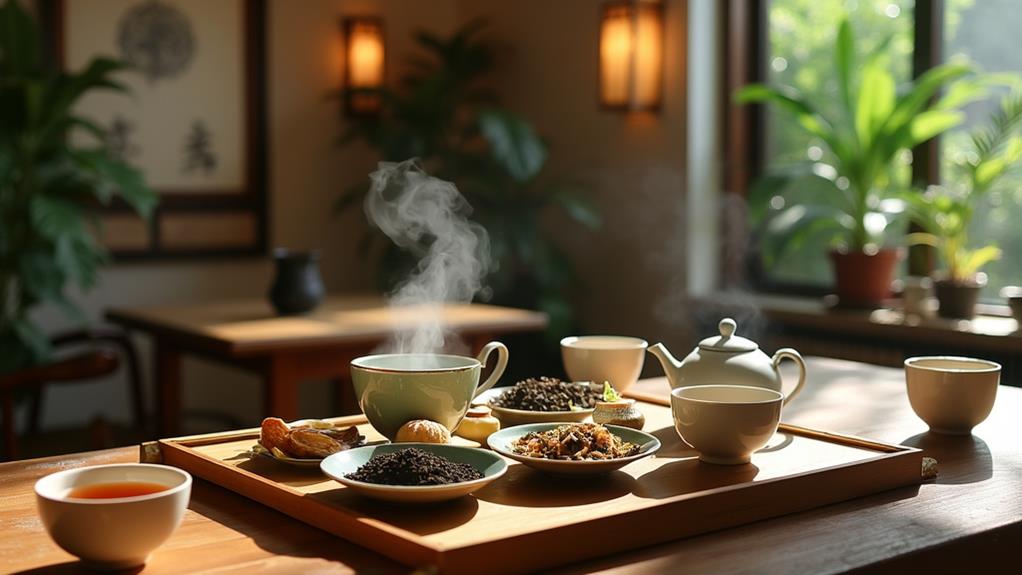
Delving into the culinary experiences offered by a tea house, you'll find that the food is as thoughtfully prepared as the tea itself. Each dish is carefully crafted to complement the diverse range of tea pairings available. As you investigate the menu, you'll notice the harmonious interplay of flavors designed to improve your overall experience.
Tea houses often offer:
- Savory snacks like finger sandwiches, dumplings, and steamed buns, which pair perfectly with robust teas.
- Sweet treats such as scones, pastries, and cakes that provide a delightful contrast to the subtle bitterness of green and white teas.
- Seasonal specials that highlight local ingredients and reflect the changing seasons, guaranteeing fresh and unique flavor profiles.
- Traditional dishes deeply rooted in cultural heritage, like matcha-infused desserts or tea-smoked meats.
- Vegetarian and vegan options that cater to diverse dietary preferences without compromising on taste or quality.
These carefully curated culinary offerings are designed to raise your tea-drinking experience, creating a symphony of taste and aroma. The thoughtful combination of tea pairings and flavor profiles guarantees that each visit to a tea house is a memorable and enriching culinary adventure.
Artistic Expression
Having investigated the culinary delights that tea houses offer, let's now focus on the artistic expression that enriches these spaces. When you step into a tea house, you're not just walking into a place to drink tea; you're entering a carefully curated environment designed to enhance your experience through artistic elements. The tea rituals themselves are a form of art, often involving intricate steps that transform the simple act of drinking tea into a meditative practice.
Aesthetic designs play a vital role in this transformation. From the layout of the space to the choice of furniture, every element is carefully selected to create a harmonious atmosphere. You'll notice traditional elements like tatami mats, shoji screens, and handcrafted teaware, all contributing to a sense of tranquility. Even the way the tea is presented—whether it's the color of the teapot or the arrangement of the tea leaves—reflects a deep appreciation for beauty and detail.
Community Events
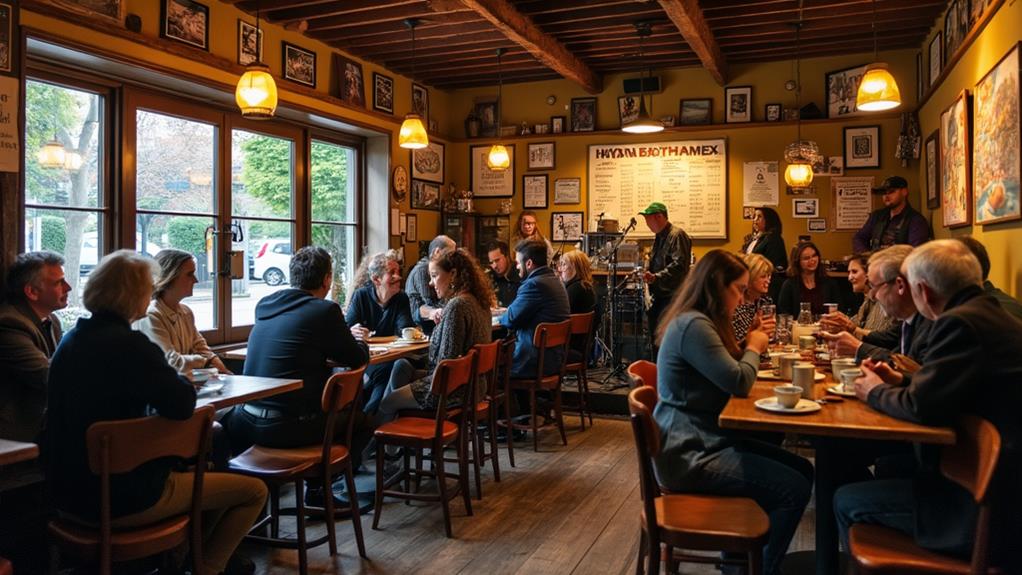
Tea houses often serve as lively hubs for community events, offering much more than just a place to enjoy a cup of tea. They bring people together, creating a sense of community that's truly special. You'll find tea houses hosting a variety of events that cater to the interests of their local patrons.
Imagine attending a traditional tea ceremony, where you can engage yourself in the cultural nuances of tea preparation and consumption. These ceremonies often invite participation, making them a fantastic way to learn and connect.
Local artists frequently showcase their work in tea houses, turning walls into galleries that highlight the area's creative talent. You might find yourself sipping tea while admiring a new painting or listening to a live performance.
Here are some common community events you might encounter:
- Tea ceremonies that offer an exploration into the art and tradition of tea.
- Art exhibitions featuring local artists and their diverse creations.
- Live music performances that create a cozy, intimate atmosphere.
- Book readings and discussions that foster intellectual engagement.
- Craft workshops where skills like pottery or painting are shared.
Educational Role
You might be surprised to learn that tea houses play a significant educational role in their communities. When you step into a tea house, you're not just there to sip on a delicious cup of tea; you're also immersing yourself in a rich learning experience. Tea houses often conduct workshops and classes centered on tea education, where you can gain valuable insights into the history, culture, and varieties of tea.
Imagine attending a session where expert tea masters demonstrate proper brewing techniques. You'll learn how to measure the right amount of tea leaves, control water temperature, and time the steeping process to perfection. These hands-on lessons can transform your home tea-making rituals, making each cup a more enjoyable and informed experience.
Moreover, tea houses sometimes offer tasting sessions that allow you to investigate different types of tea, from delicate white teas to robust black teas. These sessions provide you with the knowledge to distinguish subtle flavor profiles and appreciate the unique characteristics of each tea variety. By participating in these educational activities, you not only enrich your own understanding but also contribute to preserving the ancient art of tea making.
Modern Adaptations
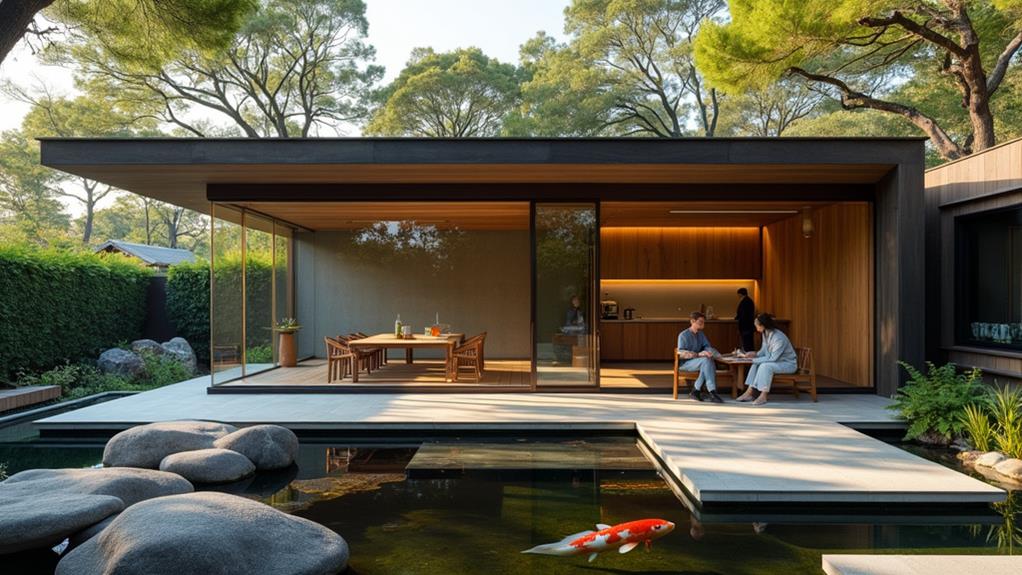
While tea houses preserve their traditional educational roles, they've also adapted to modern times in fascinating ways. Contemporary designs now blend seamlessly with time-honored architecture, creating spaces that are both stylish and inviting. You'll find sleek furniture, minimalist decor, and state-of-the-art brewing equipment that modernize the tea-drinking experience without sacrificing its essence.
In addition to aesthetic updates, tea houses have expanded their menus to include a variety of herbal infusions. These offerings cater to health-conscious patrons and those seeking new flavors beyond the traditional leaf. Imagine sipping on a soothing chamomile blend or an invigorating peppermint tea in a setting that combines the old with the new.
Here are some modern adaptations you might encounter:
- Digital menus: Allow you to browse and order teas with a simple tap.
- Wi-Fi zones: Enable you to work or relax while enjoying your tea.
- Workshops: Offer sessions on tea blending, brewing techniques, and more.
- Eco-friendly practices: Emphasize sustainability with recyclable materials and waste reduction.
- Fusion snacks: Combine traditional tea accompaniments with contemporary culinary twists.
These modern adaptations guarantee that tea houses remain relevant, appealing to both traditionalists and new generations alike.
Frequently Asked Questions
How Do You Properly Prepare Tea in a Tea House?
To properly prepare tea in a tea house, start with high-quality leaves and fresh water. Focus on precise tea brewing by heating water to the right temperature for your tea type. Steep the leaves for the recommended time. For tea presentation, use elegant teaware and serve with a mindful, graceful approach. This improves the experience and respects the tradition. Remember, every step counts in creating a perfect cup.
What Types of Teas Are Commonly Served in Tea Houses?
In tea houses, you'll commonly find traditional blends like Earl Grey and Darjeeling, which offer rich, classic flavors. Don't overlook the herbal infusions either; they're popular choices for those seeking caffeine-free options. Chamomile, peppermint, and rooibos are among the favorites. Each tea house might have its unique specialties, so it's always exciting to investigate their menu and uncover new blends and infusions. Enjoy your tea adventure!
Are There Any Special Etiquettes to Follow When Visiting a Tea House?
When you visit a tea house, you should follow certain etiquettes that honor tea traditions and their cultural significance. For example, don't rush through your tea; savor each sip. Place your cup back on the saucer gently to avoid noise. It's also respectful to engage in quiet conversation and show appreciation to the host. These practices help maintain the serene and respectful environment that tea houses are known for.
Can You Purchase Tea Leaves Directly From a Tea House?
Yes, you can purchase tea leaves directly from a tea house. Many tea houses focus on tea sourcing, offering a range of leaf varieties for you to investigate. When you visit, you'll find that they often provide high-quality, carefully selected teas. Don't hesitate to ask the staff for recommendations or details about the different leaf varieties, as they're typically very knowledgeable and enthusiastic to help.
How Do You Reserve a Private Room in a Tea House?
To reserve a private room in a tea house, you'll need to contact the establishment directly. Most tea houses have a reservation system either online or via phone. Check their website for booking options or call them to inquire about availability. Be sure to specify that you want a private room. Some tea houses might require a deposit or a minimum spend to secure the reservation.