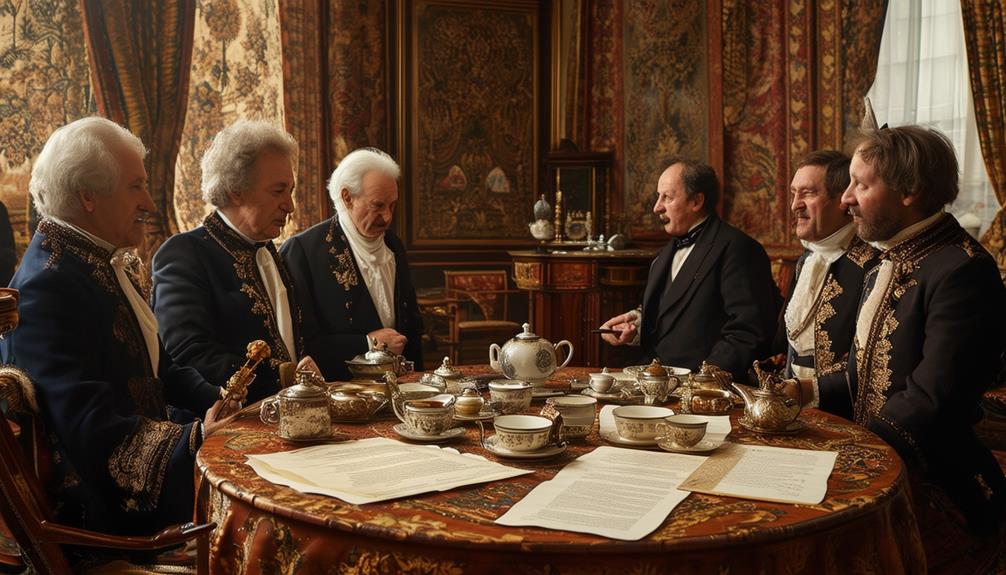
The Role of Tea in British Literature and Society

When you think of British culture, tea often stands out as a quintessential element, deeply ingrained in societal norms and literature. Tea scenes in classic novels do more than just set the stage—they unveil character traits, social hierarchies, and cultural values. Whether it's the refined rituals of the aristocracy or the comforting cups in a detective's study, tea serves as a multifaceted symbol. So, how does this humble beverage weave its way through the fabric of British storytelling and society with such significance? Let's explore that intriguing journey.
Historical Significance
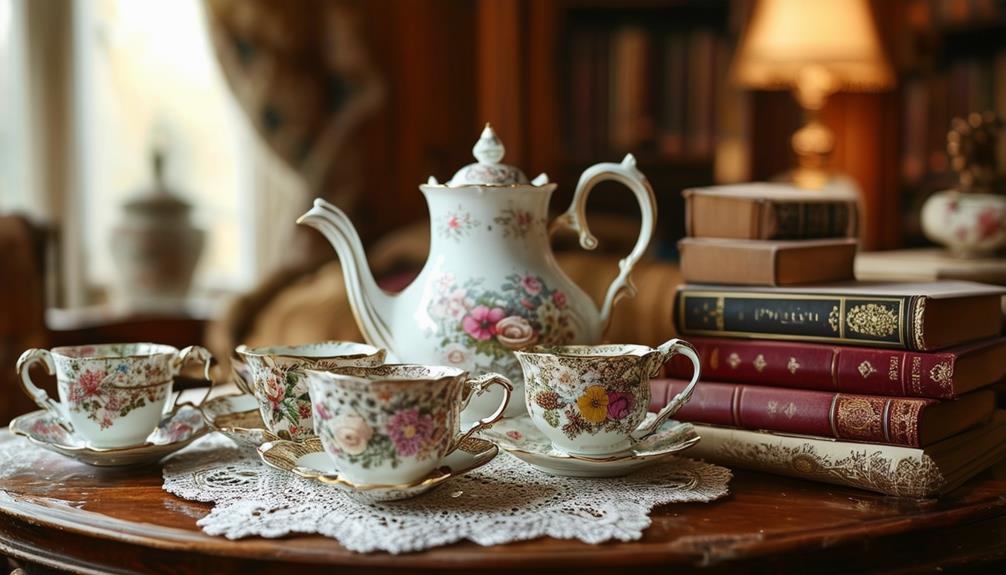
Tea has played a pivotal role in British literature, reflecting the cultural and social norms of various eras. In these literary works, tea frequently symbolizes historical significance and cultural tradition. British authors have consistently used tea-drinking scenes to highlight the intricacies of polite society and social interactions.
These scenes extend beyond the beverage itself, underscoring the importance of manners, etiquette, and the structured nature of social gatherings. They reveal much about the characters and the societal expectations they navigate. Tea is often associated with sophistication and the rituals of polite society, emphasizing its integral role in British life.
Tea in Classic Novels
In classic novels like Jane Austen's *Pride and Prejudice*, tea-drinking scenes are pivotal moments for character interactions and social maneuvering. These scenes are not merely about sipping tea; they are social functions where sophisticated and polite interactions occur. Through these encounters, characters navigate societal norms, revealing much about their personalities and relationships.
Tea-drinking scenes in literature highlight the cultural significance of tea as a social ritual. The meticulous preparation and presentation of tea reflect the period's values, emphasizing order and decorum. Jane Austen, among others, used these scenes to showcase the nuanced dance of social propriety and connection.
| Scene | Novel | Purpose |
|---|---|---|
| Tea at Netherfield | *Pride and Prejudice* | Social maneuvering |
| Tea with Emma | *Emma* | Polite interactions |
| Tea at Pemberley | *Pride and Prejudice* | Sophistication and norms |
The portrayal of tea in these novels underscores its role in social settings, often serving as a backdrop for significant plot developments. Whether discussing marriage prospects or forming alliances, the tea table becomes a stage for enacting the societal norms of the time. By examining these tea-drinking scenes, one gains insight into the cultural significance and intricate social functions of tea in British literature.
Social Class and Tea
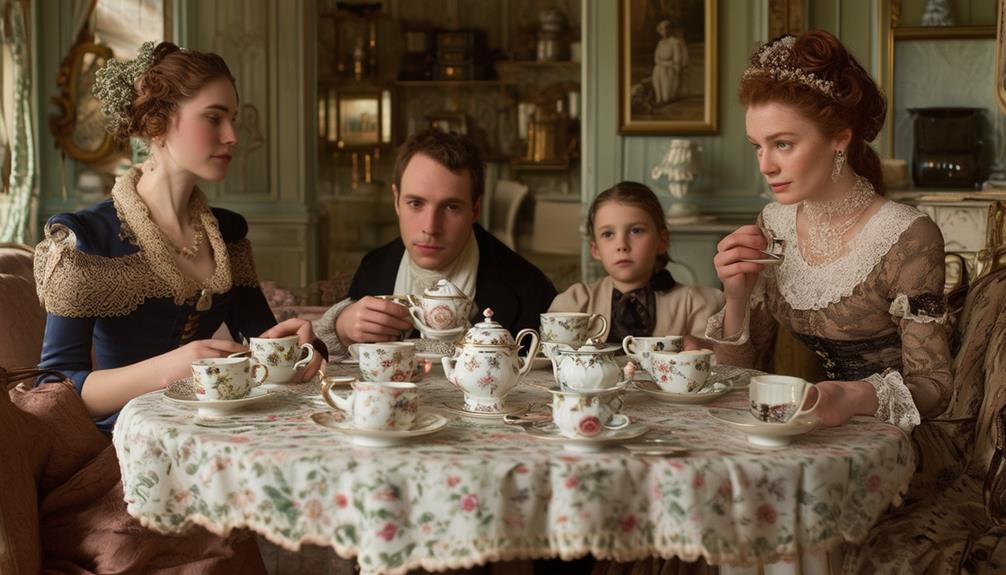
In British literature, tea rituals often highlight social class distinctions. Aristocratic tea ceremonies are marked by refinement and tradition, while working-class tea customs are characterized by simplicity and practicality. Authors like Austen and Dickens use these varied tea scenes to explore social hierarchies and cultural norms.
Aristocratic Tea Rituals
Aristocratic tea rituals, often portrayed in British literature, highlight the luxurious settings and refined social customs of the elite. These scenes transport readers to grand drawing rooms adorned with fine china and elaborate pastries, symbolizing high society's meticulous etiquette and social status.
Characters in British literature frequently engage in sophisticated conversations during tea, adhering to strict etiquette. The way they hold their cups, pour the tea, and serve guests reflects their social standing. These rituals showcase opulence and exclusivity, emphasizing the divide between the upper class and others.
More than mere tea parties, these depictions reveal the nuanced social structures of the time. By focusing on aristocratic tea rituals, authors illustrate the importance of social status and the lengths the elite would go to preserve their image. These rituals reflect the period's values, where refinement and decorum were paramount, and even a simple cup of tea was a statement of one's place in society.
Working-Class Tea Customs
The working class highly valued their strong black tea, finding comfort and energy in each robust cup. Amid long, labor-intensive days, this tea wasn't just a beverage; it was a lifeline. Workers often enjoyed their tea with a generous splash of milk and a spoonful of sugar, transforming it into a more substantial drink that could sustain them through grueling shifts. Tea breaks were an integral part of the daily routine, providing essential respite and a boost to morale and productivity.
Despite limited resources, the working class made tea a pivotal part of their lives through the following customs:
- Strength in Simplicity: Strong black tea was preferred for its robust flavor and invigorating properties.
- A Touch of Sweetness: Sugar was added not just for taste but to provide extra calories.
- Creaminess Counts: Milk made the tea richer and more filling, crucial for physically demanding jobs.
- Daily Rituals: Tea breaks became a cherished tradition, offering brief moments of rest and social interaction.
This daily routine underscored the importance of tea in the working class, turning a simple beverage into a cornerstone of their social and work lives.
Tea in Literature
In British literature, tea-drinking habits and attitudes often reflect social class distinctions. Authors like Jane Austen and Charles Dickens masterfully use tea scenes to highlight social norms and interactions within different classes. In high society, tea symbolizes refinement and sophistication, and characters who navigate tea ceremonies flawlessly are seen as refined. In contrast, those who falter are often portrayed as socially inferior or out of place.
For instance, in Jane Austen's novels, meticulous adherence to tea rituals underscores the importance of maintaining social decorum. Characters' ability to flawlessly navigate these customs reflects their social standing. Similarly, in Charles Dickens' works, tea-drinking scenes delineate class differences, with the wealthy indulging in luxurious ceremonies while the lower classes partake in simpler gatherings.
Literature not only mirrors societal values but also critiques them. Characters' tea-drinking habits often signal their adherence to or defiance of societal norms, offering readers a nuanced view of social class dynamics.
Tea Rituals
Tea rituals in British literature often symbolize the intricate dance of social interactions, class distinctions, and cultural norms. These scenes highlight the importance of etiquette, manners, and the unspoken rules that govern societal roles. When you read about tea-drinking moments, you're diving into a world where every gesture, word, and choice of tea can reveal much about a character's personality and their place in society.
In literature, tea rituals are more than just a break in the narrative; they're a window into the cultural values and historical traditions of British society. These scenes often serve as a backdrop for essential character development and plot progression.
Consider the following aspects of tea rituals in British literature:
- Social Interactions: Tea gatherings often reveal relationships and power dynamics between characters.
- Cultural Norms: The way tea is prepared and consumed can reflect broader societal expectations.
- Etiquette and Manners: These rituals emphasize the importance of proper behavior in different social settings.
- Societal Roles: Characters' roles and statuses are often highlighted through their participation in tea ceremonies.
Tea in Detective Fiction

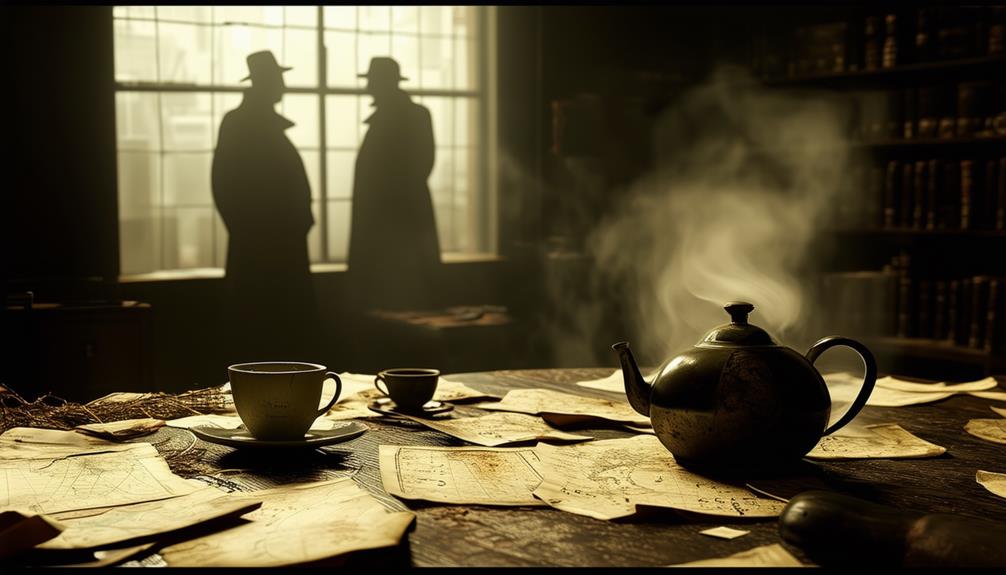
Tea scenes in detective fiction often serve as crucial narrative devices where protagonists and suspects share vital information. These moments are more than just breaks from the action; they are settings for pivotal conversations that advance the plot. Imagine a detective sitting down with a suspect, the tension in the room slightly eased by the calming ritual of serving tea. As they sip, they exchange significant details that could break the case wide open.
In detective fiction, tea ceremonies symbolize the order and methodical approach needed to unravel complex mysteries. The careful preparation and serving of tea mirror the detective's meticulous nature, highlighting their attention to detail. When a character takes the time to make and serve tea, it can reveal their personality and motives. Is the host meticulous, sloppy, or perhaps too eager to please?
These tea-drinking scenes are strategic pauses where characters can reflect, confront, and reveal hidden truths. In the world of detective fiction, tea isn't just a beverage; it's an indispensable tool for storytelling and character development.
Children's Literature and Tea
Tea scenes in children's literature, such as the Mad Hatter's tea party in 'Alice in Wonderland,' are both iconic and symbolic. These gatherings teach young readers about hospitality and social etiquette while fostering imagination and creativity. By exploring these tea parties, readers learn moral lessons and the importance of friendship and sharing.
Iconic Tea Scenes
In children's literature, enchanting tea parties often serve as delightful backdrops for stories that celebrate friendship, imagination, and the joys of shared moments. These iconic scenes in British literature create memorable moments that highlight social interaction and the simple pleasures of tea. You can't help but think of Alice's whimsical tea party in 'Alice's Adventures in Wonderland,' where the Mad Hatter, March Hare, and Dormouse gather for a nonsensical yet charmingly chaotic affair. Likewise, Winnie-the-Pooh's heartwarming tea gatherings capture the essence of friendship and the innocence of childhood.
Tea parties in children's literature often emphasize:
- Friendship: Characters bond over tea, strengthening their relationships.
- Imagination: Enchanting settings and characters spark creativity.
- Social Interaction: Tea parties provide a platform for dialogue and connection.
- Sharing: The act of sharing tea and treats fosters generosity and kindness.
These scenes don't just entertain; they teach valuable lessons about etiquette, sharing, and the significance of social bonds. Through these narratives, young readers learn the joy of coming together, even in the most fantastical circumstances. So, next time you read a children's book, look for these charming tea parties that subtly weave meaningful life lessons into delightful stories.
Tea Party Symbolism
In children's literature, tea parties often symbolize the innocence and imaginative play that define childhood. These gatherings serve as a platform for children to engage in social interaction, develop friendships, and practice etiquette. Rich in symbolism, tea parties showcase the warmth and comfort of shared moments.
Tea parties are more than simple gatherings; they provide a setting for meaningful dialogue and relationship-building. In classic tales, a tea party can evoke nostalgia and create a sense of community. Characters share stories, resolve conflicts, and learn social norms within the cozy confines of a tea party.
To better understand the multifaceted role of tea parties in children's literature, consider the following elements and their symbolism:
| Element | Symbolism | Example |
|---|---|---|
| Innocence | Childhood play | Alice in Wonderland |
| Social Interaction | Building relationships | Winnie the Pooh |
| Friendship | Bonding moments | The Wind in the Willows |
| Etiquette | Learning manners | Mary Poppins |
| Comfort | Warmth and nostalgia | Paddington Bear |
Through these tea parties, children's literature imparts valuable lessons about friendship and social interaction, all while maintaining a sense of innocence and imaginative play.
Moral Lessons Over Tea
Tea parties in children's literature often serve as charming settings for imparting moral lessons and encouraging character development. Through these enchanting gatherings, young readers learn valuable life skills and virtues. Tea parties are frequently used to teach social etiquette, such as politeness and respect, helping children understand how to interact gracefully with others.
In many beloved stories, characters bond over tea, sharing experiences that foster friendships and unity. For instance, the act of sharing tea can lead to:
- Learning to share: Characters often split treats, teaching the importance of generosity.
- Solving conflicts: Tea parties provide a calm setting for resolving disagreements.
- Practicing manners: Proper tea etiquette reinforces polite behavior.
- Enhancing communication: Engaging in conversation during tea helps develop listening and speaking skills.
These gatherings also highlight the significance of communication and understanding. Characters often discuss their feelings and thoughts, promoting empathy and emotional intelligence. Moreover, tea parties in children's literature emphasize the joy of imagination and creativity. The magical setting allows young readers to see the magic in everyday interactions, making the lessons more memorable. By weaving these elements into stories, authors offer a delightful yet profound way to guide children's growth and character development.
Tea Rooms and Cafes
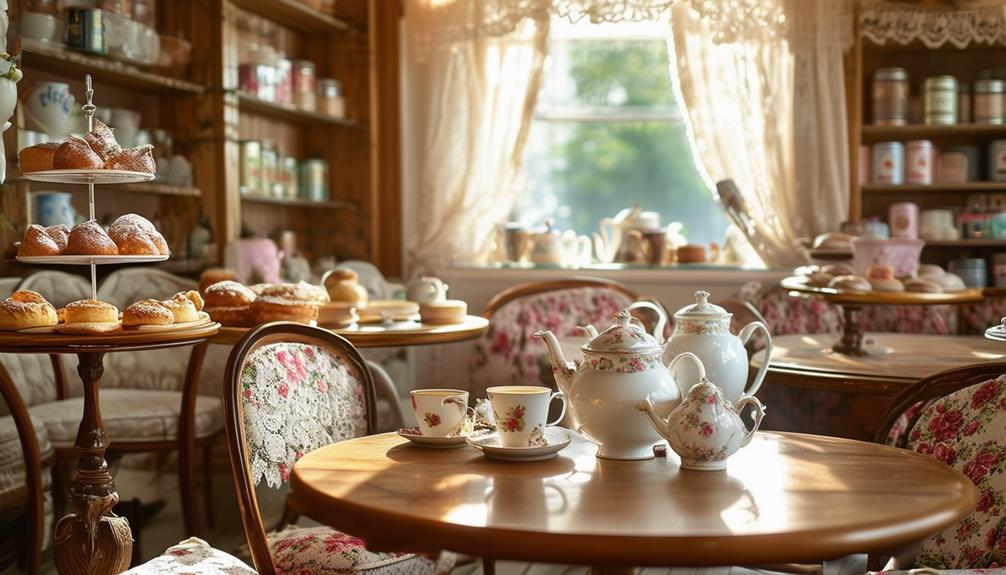
Tea rooms and cafes became essential social hubs in 19th century Britain. These establishments blended comfort and elegance, attracting the middle class and the Victorian and Edwardian elite, who enjoyed the fashionable practice of afternoon tea. Here, men and women gathered in a respectable public setting to enjoy tea, coffee, and light refreshments.
These venues provided a new environment for socializing outside the home, marking a significant shift in social norms. They played a pivotal role in shaping social interactions and leisure activities, coinciding with the rise of tea as a social ritual.
In tea rooms, people often discussed literature, politics, and everyday life, fostering a sense of community and shared cultural experiences. This trend mirrored broader societal changes, as the middle class sought to assert their social status and adopt the customs of the higher classes. Therefore, tea rooms and cafes were not just places to drink tea but also hubs of cultural and social exchange.
Modern Depictions
As society evolved, tea has maintained its symbolic presence in modern British literature, representing tradition, hospitality, and social interaction. Contemporary authors use tea to evoke themes rooted in its historical significance, adding depth to characters and settings, and making narratives more immersive.
Tea's cultural significance actively shapes stories. Characters often bond over a cup of tea, highlighting social interactions and reinforcing the tradition of hospitality. These scenes nod to tea's historical roots while embracing its timeless charm.
In modern British literature, tea symbolizes:
- Tradition: Emphasizing continuity and respect for the past.
- Comfort: Offering solace and a sense of home.
- Social Interactions: Facilitating conversations and connections.
- Hospitality: Reflecting etiquette and refinement.
When you read about tea in these works, it is more than a casual drink; it is a cultural icon that has evolved yet remains ever relevant. Tea's portrayal in literature showcases its enduring appeal, connecting readers with the rich tapestry of British life and tradition.
Conclusion
In exploring British literature and society, tea serves not merely as a beverage but as a symbol of tradition and culture. From classic novels to contemporary stories, tea scenes illuminate social norms and character traits. Whether depicting aristocratic tea rituals or cozy tea rooms, tea remains a constant, reflecting the evolving yet enduring essence of British life. So next time you read a British story, pay close attention to the tea; it tells its own tale.