The Origins of Chai: How the Word "Chai" Traces Back to Ancient China

The word "chai" you're familiar with today originated in ancient China as "cha" over 5,000 years ago during the Shang dynasty. As tea traveled westward along the Silk Road trade routes, the word evolved - from "cha" to "chay" in Persia, and finally to "chai" in India. When tea reached India, locals metamorphosed the simple beverage by adding milk and aromatic spices like cardamom, cinnamon, and ginger, creating what we now know as masala chai. This linguistic evolution mirrors tea's fascinating physical migration from China to India, where it would undergo its most dramatic transformation.
Ancient Chinese Tea Traditions
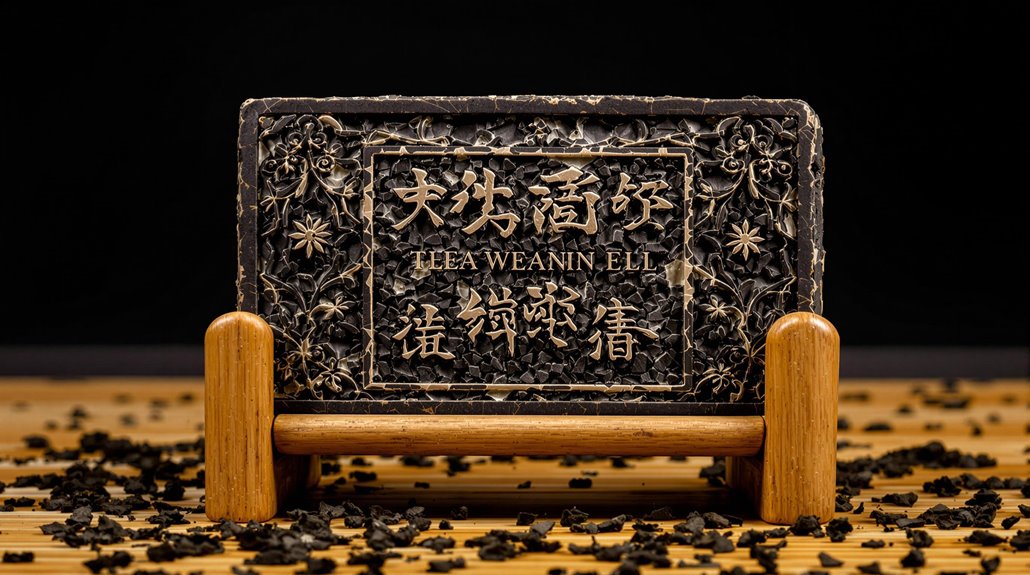
Anyone exploring the history of tea must begin their voyage in ancient China, where this beloved beverage first took root over 5,000 years ago during the Shang dynasty. You'll find the earliest written evidence of tea consumption in the Shijing, an ancient Chinese text also known as the Book of Songs, which describes the pleasure people took in brewing and drinking tea.
The Chinese word for tea, "cha," originated in the southern Fujian province's Min Chinese dialect, and you'll still hear this root word echoing through many modern languages. When you investigate ancient China's tea traditions, you'll uncover how deeply they intertwined with spiritual practices. Both Taoist and Buddhist philosophies heavily influenced the way people approached tea consumption, leading to elaborate ceremonies and a sophisticated appreciation of tea's subtle characteristics.
As you trace tea's journey from ancient China, you'll see how it spread beyond its borders along the bustling Silk Road trade routes. This expansion helped establish tea traditions throughout Asia, with each region developing its own unique relationship with this extraordinary brew. According to legend, the discovery of tea is attributed to Divine Farmer Shen Nong, who first experienced its benefits when dried leaves accidentally fell into his boiling water.
From China to India
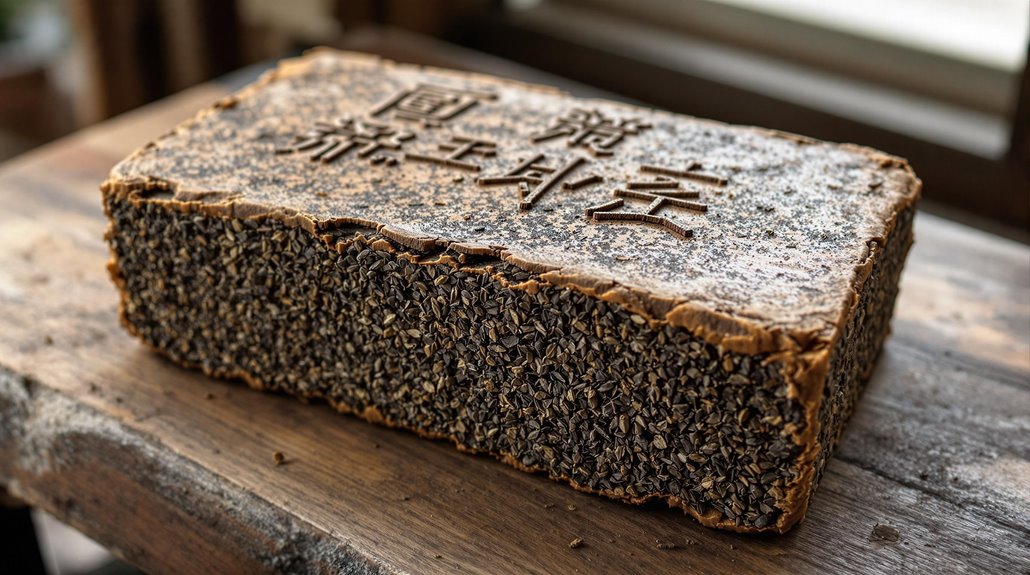
You can trace this evolution in both the beverage's taste and terminology. While China gave the world tea and its original name, India's addition of cardamom, cinnamon, and ginger created an entirely new drinking experience. The expedition of chai from China to India represents more than just the movement of a beverage—it showcases how cultural exchange along trading routes led to the creation of new traditions. These trading routes, particularly the Tea Horse Road, were instrumental in connecting diverse regions and facilitating the exchange of valuable commodities and brewing methods.
Etymology Along the Silk Road
Linguistic evolution along the Silk Road altered the Chinese word "chá" into what we now know as "chai." As merchants and travelers ventured westward from China's coastal regions, they carried both tea leaves and terminology with them.
You'll find that the transformation of "chá" to "chai" represents more than just a simple change in pronunciation. As tea made its way through Persia, where it became known as "chay," you can trace how the word evolved with each cultural immersion along the Silk Road. This linguistic expedition mirrors the physical transit of tea itself, showing how trade routes weren't just pathways for goods but also for language and culture.
When you look at today's global tea vocabulary, you'll notice that different regions use variations of either "cha" or "tea," with "chai" becoming particularly prominent in languages like Hindi. This linguistic diversity reflects the complex network of trade routes that connected East Asia with the Middle East and beyond. The word "chai" has become so deeply embedded in various cultures that it's now inseparable from their daily rituals and social customs.
This cultural exchange flourished particularly in Tang Dynasty China, where the tea trade journey along the Silk Road first began and established the foundation for chai's linguistic journey westward.
Birth of Masala Chai
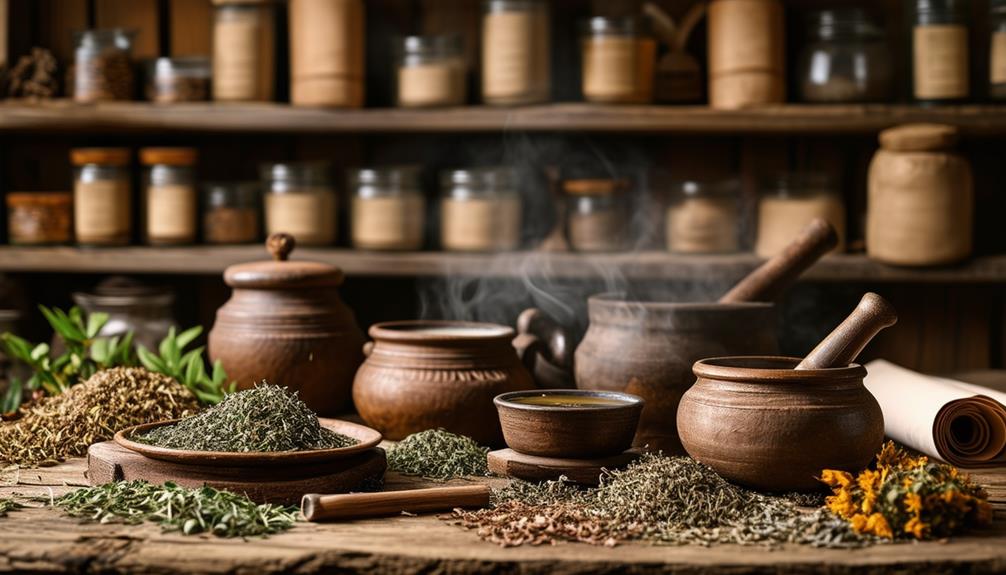
While the word "chai" traveled eastward along the Silk Road, the beverage's true cultural identity emerged in ancient India. You'll find that masala chai didn't start as the milky tea drink you know today - it began as a healing concoction deeply rooted in Ayurvedic medicine.
In ancient India, people created this therapeutic drink by combining various spices and herbs, each chosen for its specific health benefits. The original blend included warming ingredients like ginger, cardamom, cinnamon, cloves, and black pepper. Many of these spices weren't native to India and made their way into the recipe through trade routes, including exchanges with China.
What's fascinating is how masala chai evolved over time. The addition of black tea leaves and milk reconfigured this medicinal drink into a beloved daily ritual throughout India. While the original healing properties remained important, the beverage took on a new role as a comforting drink that brought people together. Today's masala chai still maintains its connection to these ancient roots, even as it's gained popularity worldwide as a flavorful alternative to regular tea. Buddhist monasteries played a crucial role in cultivating and sharing tea knowledge throughout ancient India, helping establish its widespread use.
Spice Trade Influence
Through the thronging networks of the Silk Road, the spice trade played a vital role in shaping chai's evolution and global reach. As merchants traversed these ancient routes, they carried precious cargo of cardamom, cinnamon, and cloves from India and China to distant lands. You'll find that this extensive trade with China not only facilitated the movement of black tea but also created opportunities for cultural fusion that would forever change how people enjoyed their daily brew.
The spice trade transformed chai from a simple beverage into a complex mixture of spices that varied by region and culture. You can trace how different communities along the trade routes developed their own unique chai recipes, incorporating local ingredients with exotic spices that merchants introduced. These aromatic additions weren't just about flavor - they represented the powerful connection between East and West that the spice trade nurtured. As traders exchanged goods and ideas, chai emerged as a symbol of cross-cultural pollination. Today, when you sip a cup of spiced chai, you're tasting the legacy of centuries of trade, cultural exchange, and culinary innovation that the spice trade made possible.
Regional Variations Through Time
Regional variations of chai branched out from its Chinese origins, plunging the simple chá into diverse cultural expressions across Asia. You'll find that as the beverage traveled through different regions, local communities adapted the preparation methods to suit their tastes and available ingredients.
The most significant transformation occurred in the Assam region of India, where the addition of milk and a complex blend of spices revolutionized the drink. You'll discover that the spices used vary dramatically from one area to another - Kashmiri chai features almonds and cardamom, while Gujarati chai might include black pepper and cloves. Each region's unique interpretation reflects its cultural heritage and local ingredient availability.
These variations of chai didn't emerge overnight. They evolved through centuries of cultural exchange, experimentation, and refinement. You'll notice that while some regions maintain a minimalist approach closer to the original Chinese chá, others have developed elaborate preparation rituals involving multiple spices and specific brewing techniques. This diversity has transformed chai from a simple medicinal beverage into a rich tapestry of regional traditions, each telling its own story of cultural adaptation and innovation.
British Colonial Tea Impact
British colonialism left an unforgettable mark on India's tea culture, fundamentally reshaping how chai would be consumed for generations to come. When the British began controlling India's tea industry through the East India Company, they introduced revolutionary changes that would alter the beverage forever.
You'll find that colonial influence shaped chai tea in several lasting ways:
- The British East India Company's monopoly led to the introduction of the CTC process, making tea more affordable and accessible to India's masses
- British customs of adding milk and sugar merged seamlessly with traditional Indian Ayurvedic spicing practices
- Local chaiwallas used this fusion to develop their own distinctive brewing methods and spice combinations
- The standardization of tea production methods helped establish chai as a daily ritual across India
The colonial era's impact wasn't limited to production methods - it created a unique cultural fusion that's still evident today. While the British began with strict control over tea cultivation and processing, they inadvertently sparked a revolution in how Indians would make the beverage their own. This cultural synthesis ultimately led to the creation of the spiced chai that you'll find being enjoyed worldwide today.
Modern Global Chai Culture
Today's global chai culture represents an astonishing metamorphosis from its humble origins, with the beverage progressing far beyond traditional Indian borders. You'll now find chai-centric cafes and specialty shops around the world, where the word "chai" has become synonymous with a comforting, spiced beverage experience.
What's particularly fascinating is how different cultures have adapted chai to match their local preferences. While some regions have preferred their tea with specific spice combinations, others have altered it into innovative beverages like chai-flavored cocktails and frozen drinks. You'll uncover chai's influence in everything from artisanal snacks to premium tea blends, showcasing its incredible versatility.
The modern chai renaissance isn't just about taste - it's also driven by growing awareness of its cultural heritage and potential health benefits. As chai is used in increasingly creative ways, you'll notice how easily it can be customized to suit various dietary preferences and flavor profiles. This adaptability has helped cement chai's position as a global beverage phenomenon, making it as likely to appear in a Tokyo café as in a London tea shop or New York coffee house.
Traditional Brewing Methods
At the heart of chai's global appeal lies its time-honored brewing process, which has remained largely unchanged for generations. When you make chai the traditional way, you'll combine water, tea leaves, milk, and a unique blend of spices in a small pot on your stovetop. Unlike Western tea preparation, traditional chai requires the milk to be added early in the process, allowing it to fully meld with the spices and create that signature creamy texture.
- The tea leaves are steeped for an extended period of time (5-10 minutes) to extract rich, robust flavors
- The customized blend of spices typically includes cardamom, cinnamon, ginger, and black pepper
- The mixture is brought to a boil and then simmered to achieve the perfect strength
- The final brew is carefully strained to guarantee a smooth, sediment-free drink
This thorough process verifies that when you're ready to enjoy your chai, you'll experience a perfectly balanced, creamy beverage that can be sweetened to your liking. The result is a warming, aromatic drink that captures the essence of authentic Indian chai.
Cultural Significance Today
Deeply woven into the fabric of Indian society, chai transcends its role as a mere beverage to embody the nation's spirit of warmth and hospitality. You'll find that this spiced tea has evolved from a simple drink into a powerful symbol of Indian cultural identity, bringing people together in homes, streets, and workplaces across the subcontinent.
The cultural significance today of chai extends far beyond its origins. When you visit India, you'll notice that offering authentic chai is one of the first gestures of welcome you'll receive, whether you're in a family home or a business meeting. The Hindi word for tea has become synonymous with social connection and community bonding. You'll see chai vendors, known as chaiwallas, serving as community gathering points where people from all walks of life come together to share stories and build relationships.
This influence has now spread globally, and you'll find chai featured prominently in coffee shops worldwide. However, its deepest meaning remains rooted in Indian culture, where it continues to serve as a daily reminder of tradition, hospitality, and shared human connection.