The Influence of Tea on Art and Literature

Tea is often seen merely as a comforting beverage, yet its influence on art and literature is profound. In ancient Chinese paintings, tea symbolizes hospitality and refinement, while in Western novels, it reflects societal norms and status. Poetry uses tea to evoke tranquility and deep contemplation, capturing the essence of meaningful connections. The tea ceremony, rich in symbolism, has inspired countless artistic expressions. How has this humble drink managed to weave itself into the very fabric of cultural expression across the globe? Let's explore further.
Tea in Ancient Chinese Art
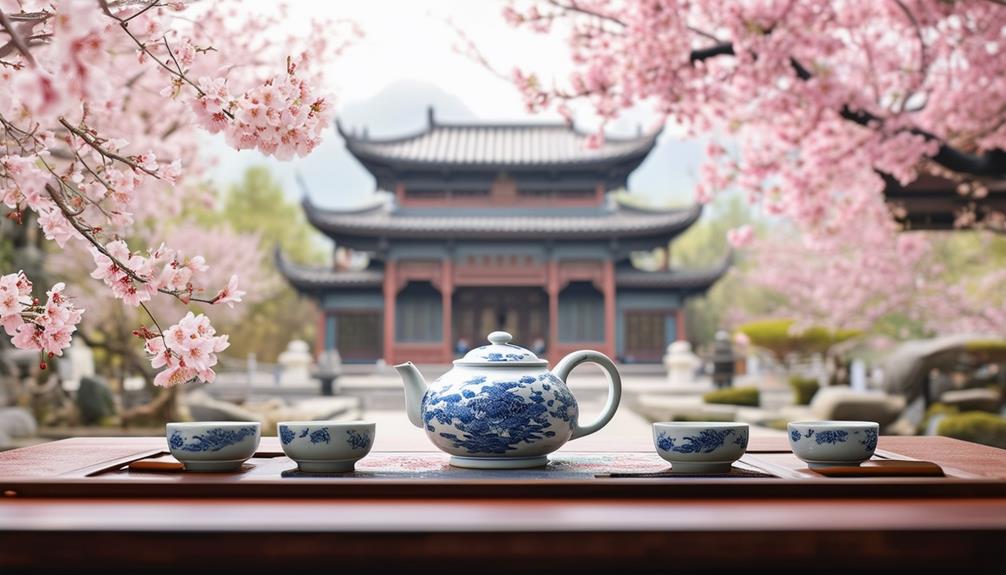
In ancient Chinese art, tea symbolized refinement, hospitality, and social interaction. Traditional Chinese paintings prominently featured tea, enjoyed by everyone from the imperial court to the middle class. These artworks showcased not only the elegance of tea but also the intricate designs and craftsmanship of traditional teaware, such as teapots and cups.
Tea ceremonies and rituals were frequently depicted in ancient Chinese art, symbolizing harmony, respect, and cultural traditions. These scenes reflected the importance of tea in everyday life, visually representing its historical and cultural significance through various artistic mediums.
In literature, tea also played a significant role. Ancient Chinese poets and writers often referenced tea to evoke feelings of tranquility and intellectual refinement. Tea became a metaphor for philosophical contemplation and social bonding, highlighting its deep-rooted presence in both art and literature.
Tea in Western Literature
Tea in Western literature occupies a significant role, especially in classic novels, poetry, and Victorian culture. Authors like Jane Austen and various poets use tea rituals to symbolize social norms and explore characters' inner lives. By analyzing these literary works, one can uncover how tea gatherings reflect deeper themes and cultural values.
Symbolism in Classic Novels
In classic Western literature, tea often symbolizes social status and refinement. Authors like Jane Austen use tea parties to reveal societal hierarchies and manners, turning these gatherings into stages for characters to showcase their social graces or failings. In Austen's novels, tea parties are not just about sipping tea but about highlighting one's place in society and adherence to cultural norms.
Tea also symbolizes hospitality and comfort, offering a window into the characters' lives. In Virginia Woolf's novels, tea breaks provide moments of contemplation and introspection, allowing characters to pause and reflect. The ritualistic aspect of tea consumption is vividly described, enhancing the sensory experience with the aroma and taste lingering in the scenes.
The act of drinking tea in these narratives is more than a simple refreshment; it underscores civility and social order. As you read these classic novels, pay attention to how tea scenes are crafted. They not only add depth to the storyline but also evoke a sense of place and time, enriching the reading experience.
Tea Rituals in Poetry
In addition to classic novels, Western poetry captures the intimate and reflective essence of tea rituals. Poets like John Keats and T.S. Eliot have beautifully woven references to tea into their verses, using tea ceremonies as powerful symbols of contemplation, social interaction, and cultural refinement.
In many Western poems, tea gatherings are depicted as moments of intimacy and reflection. The simple act of brewing and serving tea often becomes a metaphor for hospitality and emotional expression. For example, a poet might describe the steam rising from a cup of tea as a symbol of fleeting thoughts or the warmth of the tea as a representation of human connection.
The importance of sensory experience in tea rituals is vividly captured in poetic imagery. Readers can almost taste the delicate flavors and feel the soothing warmth as they read these lines. Additionally, the societal significance of tea is highlighted, reminding us of the cultural weight that a simple cup of tea can carry.
Victorian Tea Culture
In Victorian England, tea parties and afternoon tea were more than just social gatherings; they were intricate rituals that defined social status and etiquette. Victorian tea culture prominently featured in 19th-century Western literature, providing a backdrop for many novels and stories. Authors like Jane Austen and Charles Dickens used tea gatherings to explore social interactions and character development.
In Jane Austen's 'Pride and Prejudice' and Charles Dickens' 'Great Expectations,' tea drinking scenes are often pivotal. These moments allow characters to reveal their true selves, examine themes of class, and navigate the complex social hierarchies of the time. These settings offer a nuanced view of etiquette and gender roles, making tea a powerful literary tool.
The frequent references to tea drinking in Victorian literature reflect its cultural significance. The popularity of these scenes underscores how tea shaped societal norms and expectations. Understanding Victorian tea culture provides insight into the values and social constructs of that period. It wasn't just about the beverage; it was about the intricate dance of social grace and the unspoken rules that governed Victorian society.
Symbolism of Tea in Poetry
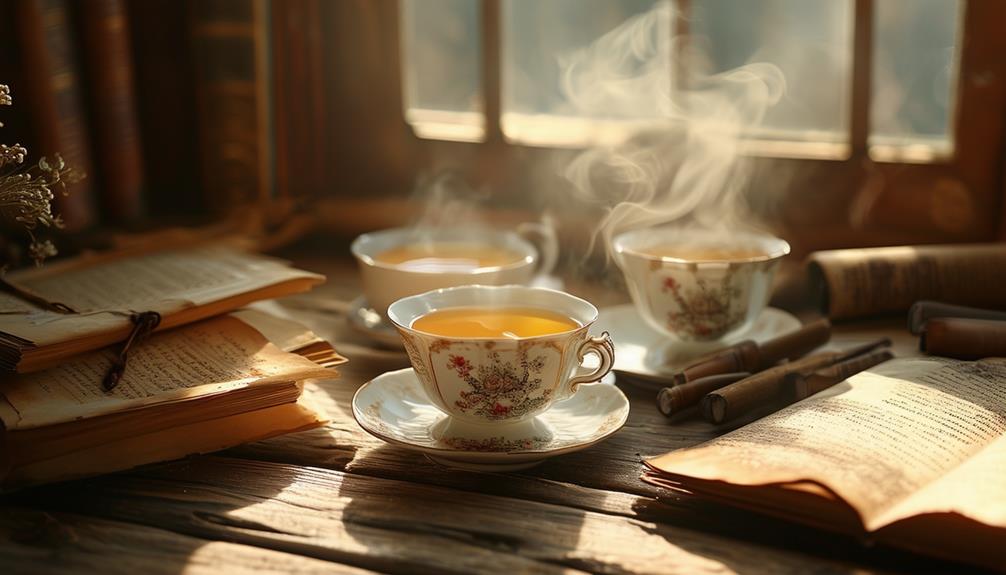
Poets across the ages have infused their verses with the motif of tea to evoke contemplation, tranquility, and the subtleties of social interactions. Traditional Chinese poetry often uses the art of drinking tea to reflect cultural values and social customs. For instance, Lu Tong of the Tang Dynasty employs tea imagery to delve into themes of nature and life, portraying tea as a conduit for deep reflection and serene moments.
The symbolism of tea, however, is not confined to China. Poets from diverse cultures have adopted it, transcending geographical boundaries to symbolize hospitality, connection, and the appreciation of simple pleasures. In poems, a cup of tea can evoke the warmth of companionship or the solitude of a quiet moment.
Tea serves as a metaphor for the delicate balance of life in many verses, illustrating how the simplest actions can carry profound meanings. The next time you read a poem featuring tea, observe how it captures the essence of human experience, bridging cultural and temporal gaps, and highlighting the subtle beauty in everyday rituals.
Tea in Visual Arts
Exploring tea in visual arts reveals how this seemingly simple beverage intertwines with cultural identity and aesthetic appreciation. Tea transcends being just a drink to become a cultural icon celebrated by artists across various mediums. From paintings and sculptures to photography, tea's presence in visual art underscores its significance.
Still life paintings, in particular, often feature tea and its accessories, capturing the elegance of tea rituals. These works do more than depict objects; they narrate tales of social customs and historical contexts. By integrating tea artifacts into global art, especially in post-Grand Tour artworks, artists highlight the universal love for tea-specific objects.
Consider these aspects of tea in visual arts:
- Cultural Representation: Tea art offers a glimpse into different cultures and traditions.
- Historical Context: Artworks featuring tea reflect various historical periods and societal changes.
- Aesthetic Appeal: The intricate details of tea sets in still life paintings showcase their beauty.
- Symbolism: Tea often symbolizes hospitality, comfort, and refinement.
- Global Influence: The presence of tea in art across diverse cultures underscores its worldwide impact.
Tea Ceremonies in Culture
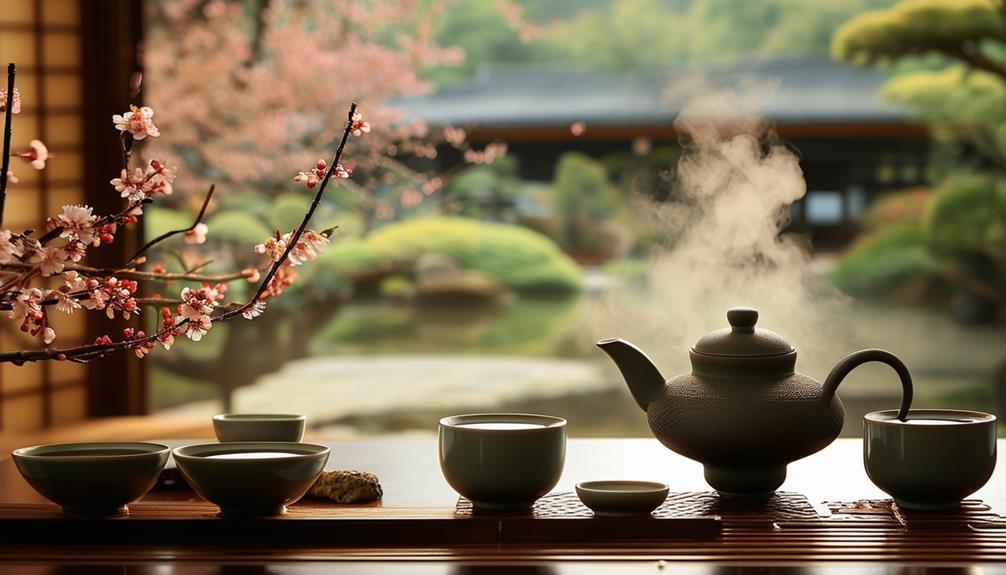
Tea's influence extends beyond visual arts, playing a pivotal role in cultural rituals through various tea ceremonies. In China, these ceremonies have evolved since the Ming Dynasty, involving meticulous steps and symbolic actions. Each ceremony is an artistic performance, with tools like the gong dao bei and clippers adding to its intricate nature, symbolizing hospitality and respect.
Japan's tea ceremonies, particularly the Matcha or whipped tea culture, also have roots in Chinese traditions but have developed a unique, ceremonial approach emphasizing tranquility and mindfulness. Participating in a Japanese tea ceremony engages you in a practice rich in artistic elements, from the tea's preparation to the aesthetics of the utensils used.
In both China and Japan, tea ceremonies transcend mere beverage preparation, embodying deeper cultural significance. For example, in Chinese weddings, tea ceremonies symbolize familial harmony and respect. Monks use tea to maintain alertness during meditation, highlighting its presence in religious customs. These rituals integrate tea into the cultural fabric, making each ceremony an art form.
Tea as a Social Catalyst
Tea gatherings often spark meaningful conversations and forge social bonds, making them a fundamental element in literature. When characters share a pot of tea, it signifies more than just a casual interaction. Tea acts as a social catalyst, initiating dialogues that lead to intimate conversations, emotional revelations, and conflict resolution.
Authors frequently use tea as a symbolic element to explore deeper social issues. Through rich sensory descriptions of tea aromas and flavors, they transport readers into the scene, making them feel part of the ritual.
Tea gatherings in literature often highlight:
- Class Distinctions: Tea settings can depict social hierarchies and class struggles.
- Emotional Vulnerability: Characters often reveal their true feelings over a cup of tea.
- Conflict Resolution: Many plot resolutions begin around a tea table.
- Cultural Norms: Tea ceremonies can satirize or uphold societal expectations.
- Artistic Expression: The act of brewing and serving tea becomes a form of art.
Tea's legacy in literature reflects cultural values and social norms, showing its enduring influence on human imagination and storytelling. The next time you encounter a tea scene, look for the deeper social dynamics at play.
Tea in Modern Literature

In modern literature, tea remains a potent symbol of social interaction and cultural rituals, enriching character development and narrative depth. When authors depict characters enjoying tea, they often set the stage for meaningful conversations and connections. This use of tea creates a backdrop for exploring societal issues and resolving conflicts, making it more than just a beverage—it's a narrative device.
Sensory descriptions of tea in modern works evoke vivid imagery, allowing readers to almost taste the tea themselves. These rich descriptions enhance the reader's experience by engaging multiple senses.
Tea gatherings in books often act as catalysts for introspection and relationship building. Characters might reflect on their lives or bond over a shared pot of tea, highlighting its role in fostering human connections. This portrayal underscores tea's enduring influence on cultural values and artistic expressions.
Artistic Tea Utensils
Discovering artistic tea utensils reveals how traditional and contemporary designs enhance the tea experience. Teapots and cups transcend their functional roles, becoming canvases that showcase cultural significance and artistic craftsmanship. Appreciating these intricate designs enriches the sensory pleasure of tea drinking, adding depth to every sip.
Traditional Teaware Designs
Traditional teaware designs, encompassing teapots, cups, and tea trays, seamlessly blend functionality with artistic expression. These designs are not merely tools; they are integral components of the visual arts that tea culture often inspires. The intricate craftsmanship and cultural influences embedded in each piece elevate the tea-drinking experience to an art form.
Teapots from various regions and historical periods reflect unique artistic styles and cultural traditions. Teaware artisans incorporate symbolic motifs, patterns, and diverse materials to create pieces that are both visually engaging and culturally significant. Holding a traditional teacup or pouring tea from a beautifully designed teapot allows one to engage with centuries of artistic evolution.
Key features of traditional teaware designs include:
- Symbolic motifs: Represent cultural beliefs and values.
- Intricate patterns: Hand-painted or engraved to add visual complexity.
- Material variety: From porcelain to clay, each material offers a unique aesthetic and tactile experience.
- Functional artistry: Designs that enhance both beauty and the tea-making process.
- Cultural significance: Each piece often narrates a story reflective of its origin.
Artistic Teapot Creations
Artists transform teapots into stunning canvases, blending functionality with extraordinary creativity. Through intricate designs, they showcase their talents, turning everyday objects into pieces of art. Whether brewing a simple cup of tea or hosting a ceremonial gathering, these artistic expressions enrich the experience, adding a visual feast to the sensory delight of tea.
Traditional and contemporary teapot designs reflect a rich tapestry of cultural influences and individual artistic expressions. You'll find teapots drawing from ancient Chinese porcelain techniques alongside modern interpretations that push the boundaries of form and function. Each design tells a story, whether through delicate floral patterns, bold geometric shapes, or imaginative, abstract forms.
Using an artistically crafted teapot means engaging in a ritual that honors both the art of tea and the creativity of the artist. These creations contribute to a holistic tea experience, where the aesthetic beauty of the teapot complements the aroma and taste of the tea. The next time you brew a pot, consider how the teapot's design enhances your enjoyment, turning a simple act into an artistic ceremony.
Cultural Significance of Teacups
Teacups, with their intricate designs and cultural symbolism, elevate the simple act of drinking tea into a rich sensory experience. These artistic utensils vary widely in design, material, and cultural significance, each adding a unique touch to your tea ritual. From the patterns and colors to the textures and shapes, every element of a teacup can deepen your appreciation of tea.
Teacups are not merely functional items; they are vessels for creativity and cultural expression. The shape and size can influence the aroma and taste, turning each sip into a journey of flavor. Here are some fascinating aspects of teacups:
- Cultural Symbolism: Different cultures have unique teacup designs that reflect their traditions and customs.
- Aesthetic Appeal: Teacups often feature in art forms like paintings and sculptures, showcasing their beauty.
- Material Diversity: They can be made from porcelain, clay, glass, and more, each offering a distinct drinking experience.
- Intricate Designs: Many teacups boast detailed patterns and colors that can make your tea-drinking moment special.
- Sensory Experience: The feel of the teacup in your hand and the way it affects the tea's aroma enhance the overall enjoyment.
Explore teacups not just as utensils, but as artistic expressions that enrich your tea-drinking adventure.
Tea and Philosophical Reflections
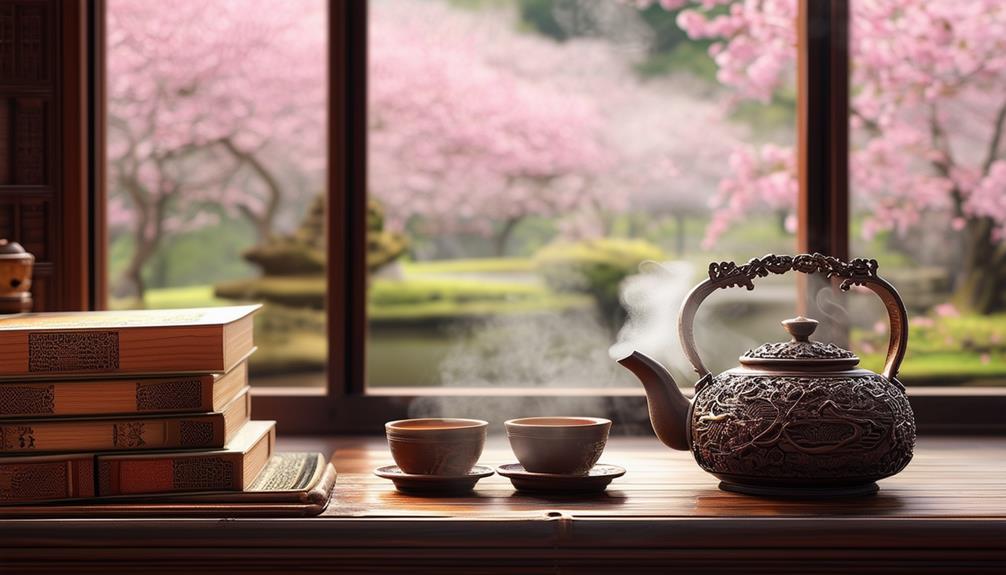
Engaging with tea often sparks profound philosophical reflections, inviting contemplation of existence's deeper essence. Participating in tea ceremonies involves a meticulous process of brewing and savoring each cup, which serves as a meditative practice. This ritual encourages mindfulness and self-awareness, fostering a deep connection with the present moment and facilitating introspection.
In ancient China, scholars often gathered over tea, using the tranquil setting to explore life's mysteries. The simplicity and elegance of tea culture evoke profound insights, leading to spiritual connections and a deeper understanding of existence. The experience is more than just the drink; each step in the preparation and consumption of tea holds potential for contemplation.
Tea's influence on philosophical thought spans cultures globally. Whether in a Japanese tea garden or a cozy English parlor, tea-drinking rituals provide a pathway to inner reflection and enlightenment. This act can transform into a moment of profound insight, helping navigate life's complexities with a clearer, more focused mind.
Tea in Fiction and Drama
Tea frequently symbolizes social status, hospitality, and cultural nuances in fiction and drama. Characters' interactions over tea can drive development and advance plots in meaningful ways. Through tea rituals, authors and playwrights introduce themes of tradition and connection, thereby enriching the narrative.
Symbolism in Storytelling
In fiction and drama, tea often symbolizes social status, intellectual pursuits, and hospitality, setting the stage for pivotal conversations and character interactions. Authors use tea gatherings to inject layers of meaning into their storytelling, where the simple act of sharing a cup can reveal much about a character's background, intentions, and relationships.
Tea's symbolism transcends cultural boundaries, making it a versatile tool in storytelling. Through rich sensory descriptions—the aroma, the flavors, and the ambiance—readers are drawn into immersive scenes that feel almost tangible. This universal appeal allows tea to serve as a powerful narrative device.
Consider these symbolic uses of tea in literary works:
- Social Status: The type of tea and the setting can indicate a character's social standing.
- Intellectual Pursuits: Intellectuals often engage in deep discussions over tea, symbolizing wisdom and contemplation.
- Hospitality: Offering tea can signify warmth, welcome, and the forging of new relationships.
- Conflict Resolution: Tea ceremonies can be a backdrop for resolving disputes or negotiating terms.
- Isolation: A character drinking alone can emphasize solitude or introspection.
Character Development Aid
Tea in storytelling is more than just a beverage; it is a nuanced tool for character development in fiction and drama. Tea-drinking scenes are rich with symbolic weight and reveal deep insights into a character's personality, social status, and emotional nuances.
Authors use these scenes strategically to highlight traits and relationships. For instance, a character's choice of tea, their preparation method, or their mannerisms while drinking can subtly indicate their background, social class, or emotional state. A refined tea ritual might suggest a disciplined and cultured individual, while a casual, messy tea session could indicate a more relaxed or chaotic personality.
Tea-related interactions also create opportunities for conflict, resolution, and growth. A shared tea moment can bridge gaps between characters, fostering understanding and connection. Conversely, a tense tea scene can heighten existing conflicts or reveal underlying tensions. By weaving tea into these moments, authors add layers of complexity and depth, making characters more relatable and multidimensional.
In essence, tea-drinking scenes are a powerful narrative device that enriches character development, enhancing the reader's engagement and understanding of the story.
Plot Device Utilization
Tea serves as a versatile plot device in fiction and drama, revealing status, hospitality, and cultural traditions. Tea scenes can set the tone, illuminate character dynamics, or foreshadow events. By incorporating tea, authors create moments of depth and symbolism within the narrative. For instance, the ritual of brewing and serving tea often signifies power dynamics and social etiquette, providing insight into relationships and emotional connections between characters.
Here are several ways tea functions as a plot device and symbol in fiction and drama:
- Reveals Status: Tea ceremonies can illustrate social hierarchies and character status.
- Sets Tone: The ambiance of a tea scene can foreshadow upcoming events or shifts in the narrative.
- Exposes Power Dynamics: Who serves tea to whom can reflect underlying power structures.
- Showcases Hospitality: Tea offering rituals highlight cultural norms and hospitality.
- Develops Characters: Conversations over tea often lead to pivotal moments of character development.
Tea's presence adds cultural context, making stories richer and more relatable. It's not just a beverage; it's a tool that authors wield to examine themes, drive the plot, and deepen the reader's understanding of the characters and their world.
Conclusion
Tea's influence permeates every facet of art and literature, from ancient Chinese paintings to modern novels. It's more than just a beverage; it symbolizes hospitality, elegance, and meaningful conversations. Tea imbues poetry with tranquility and adds layers of meaning to visual arts. Through tea ceremonies and artistic depictions, tea continues to inspire and connect people across cultures, making it a timeless cultural icon. Recognizing its significance reveals a world rich in depth and connection.