The Future of Boba Tea: Innovations and Trends in the Beverage Industry

You're witnessing a transformative period for boba tea, where innovation meets consumer demand. Imagine enjoying a boba tea that not only tantalizes your taste buds with unique flavors like black sesame and taro but also aligns with your health goals through low-sugar and organic options. The industry isn't stopping there; it's focusing on sustainable practices and cutting-edge technology. As boba tea continues to expand into new markets and offer more customization, there's a lot more brewing beneath the surface.
Curious about what else is on the horizon for your favorite drink?
Emerging Flavors
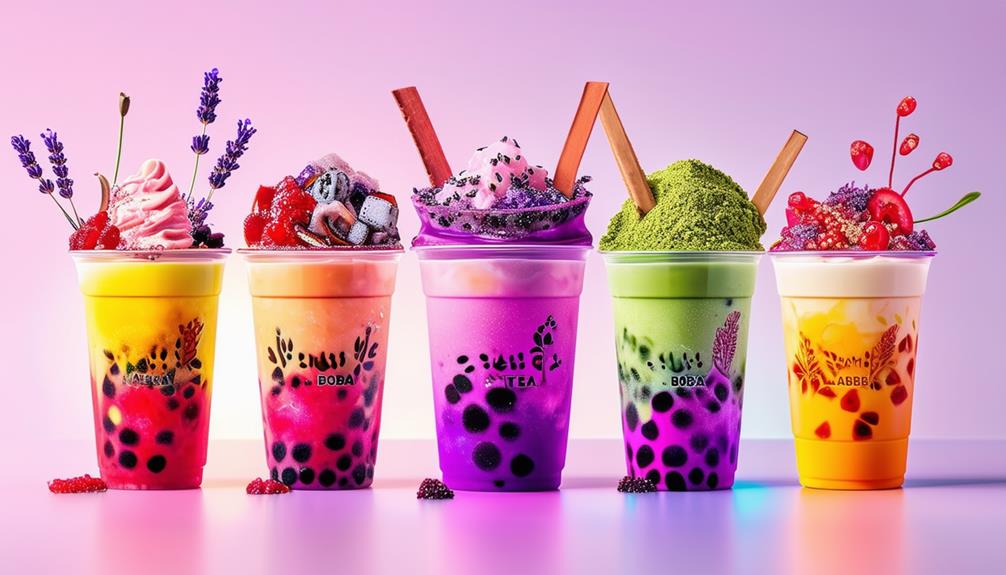
Emerging flavors like black sesame, taro, and matcha are transforming the boba tea market. These unique flavors are gaining popularity, offering a rich and diverse palate of Asian-inspired tastes. Black sesame provides a nutty depth, taro adds a subtle sweetness, and matcha delivers distinctive vegetal notes cherished by tea enthusiasts.
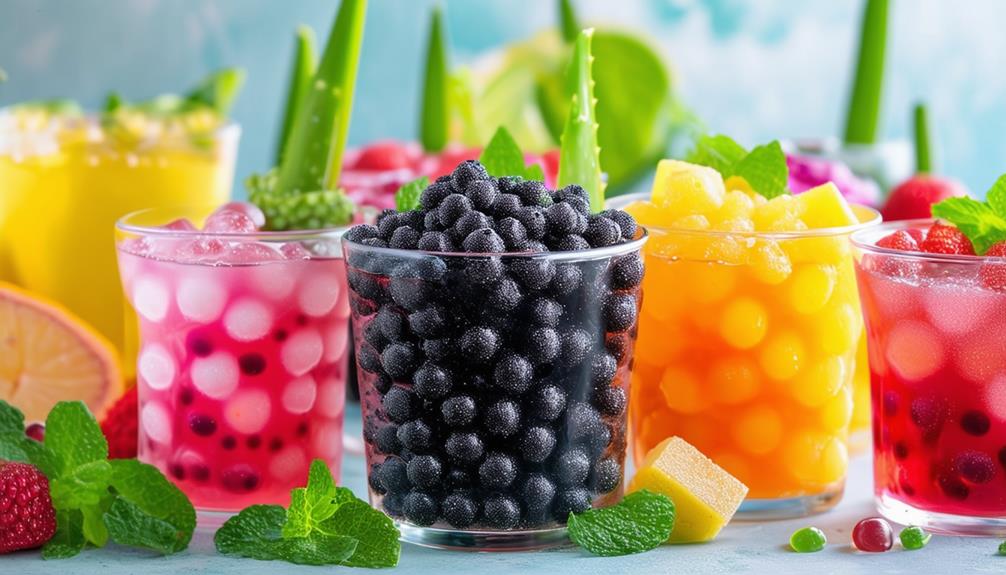
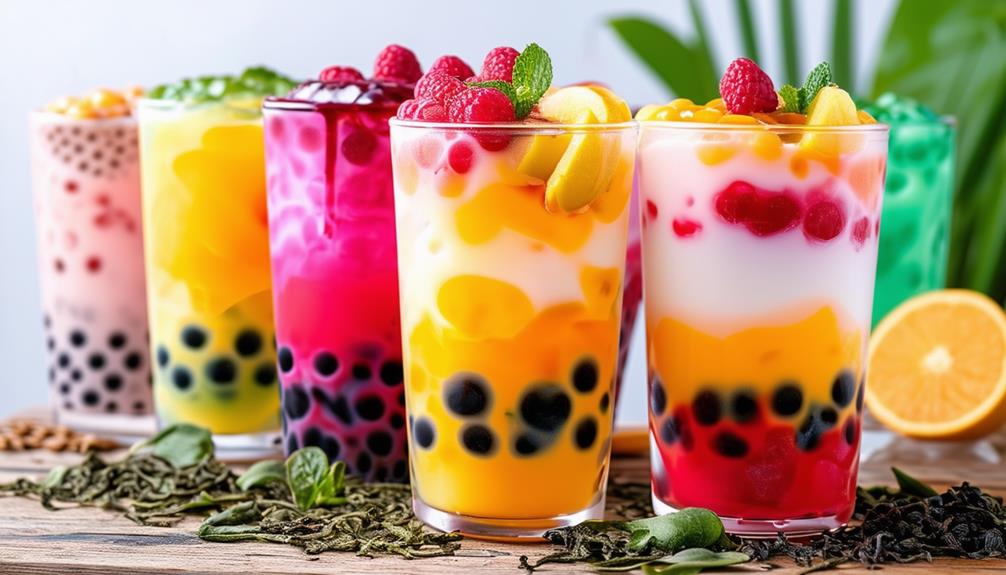
Additionally, fruity boba flavors are gaining traction. The fruity boba segment was valued at $3.63 billion in 2021 and is projected to reach $6.67 billion by 2029. Flavors such as passion fruit, lychee, and mango are becoming more prevalent, blending seamlessly with traditional tea bases. These fruity options not only add sweetness but also introduce a refreshing twist suitable for any palate.
The trend towards incorporating more vegetal notes, fruits, and botanicals is diversifying the boba tea landscape. It's not just about the classics anymore; it's about exploring new, exciting, and unique flavors that keep you coming back for more. So, next time you're craving boba, consider trying something new!
Health-Conscious Options
For healthier boba tea options, you'll find more low-sugar alternatives, organic ingredients, and nutrient-rich supplements. These choices cater to your desire for a tasty yet nutritious beverage, reflecting the bubble tea market's evolution to meet health-conscious preferences.
Low-Sugar Alternatives
Consumers are increasingly seeking low-sugar alternatives in their boba tea, driving the industry's shift towards healthier options. Health-conscious individuals now prefer beverages with less sugar, prompting the boba tea market to evolve with a variety of low-sugar and sugar-free choices.
Key trends include:
- Fruit-Flavored Bubble Teas: Perceived as more natural and nutritious, these teas are popular among those seeking healthier beverages.
- Natural Sweeteners: Ingredients like stevia, monk fruit, and agave are replacing traditional sugar, providing sweetness without the extra calories.
- Customizable Sweetness Levels: Many boba shops allow customers to choose their desired sugar level, aligning with personal health goals.
- Low-Calorie Options: Brands are offering lighter versions of classic bubble tea flavors to appeal to calorie-conscious consumers.
This shift towards low-sugar alternatives is more than a passing trend. The global boba market, valued at $3.27 billion in 2022, is projected to reach $6.14 billion by 2032, largely driven by these health-conscious choices. So next time you're craving boba, you'll find plenty of healthier options to enjoy!
Organic Ingredients
Organic ingredients in boba tea cater to a growing number of health-conscious individuals seeking natural and sustainable beverage options. By incorporating organic ingredients, boba tea shops align with current market trends and meet the increasing demand for healthier choices. Health-conscious consumers are more inclined to choose boba tea made with organic ingredients because they trust the transparency and sustainability of these options.
Organic boba tea isn't just a passing trend—it reflects a growing preference for foods and drinks that promote wellness. Utilizing organic ingredients ensures that your favorite boba tea is free from synthetic pesticides and harmful chemicals, making it a more attractive choice for those prioritizing their health.
Moreover, the use of sustainable options in boba tea production appeals to environmentally-conscious consumers. This shift towards organic ingredients mirrors broader market trends emphasizing health, wellness, and sustainability. As a result, boba tea shops embracing organic ingredients are likely to attract a loyal customer base looking for healthier options. By opting for organic boba tea, you're making a choice that benefits both your health and the environment.
Nutrient-Rich Additions
Incorporating nutrient-rich enhancements into boba tea offers health-conscious individuals a delicious way to boost their daily intake of essential vitamins and minerals. By adding these supplements, you can turn your favorite beverage into a health-enhancing treat. Here are some popular and beneficial options:
- Chia Seeds: A fantastic source of fiber and omega-3 fatty acids, chia seeds add a satisfying crunch and nutritional enrichment to your boba tea.
- Aloe Vera Gel: Known for its hydration and potential digestive benefits, aloe vera gel blends seamlessly into your drink.
- Matcha Powder: Rich in antioxidants, matcha powder provides a subtle, earthy flavor and substantial health benefits.
- Fresh Fruit Purees: Purees like mango or strawberry not only offer vitamins and minerals but also impart natural sweetness without the need for sugary syrups.
Switching to nutrient-rich liquids like coconut water instead of sugary syrups can further enhance the health benefits of your drink. Coconut water offers natural hydration and a touch of sweetness, making it an excellent choice for health-conscious consumers. By integrating these nutrient-rich options, you can enjoy a delicious and nutritious boba tea experience.
Sustainable Practices
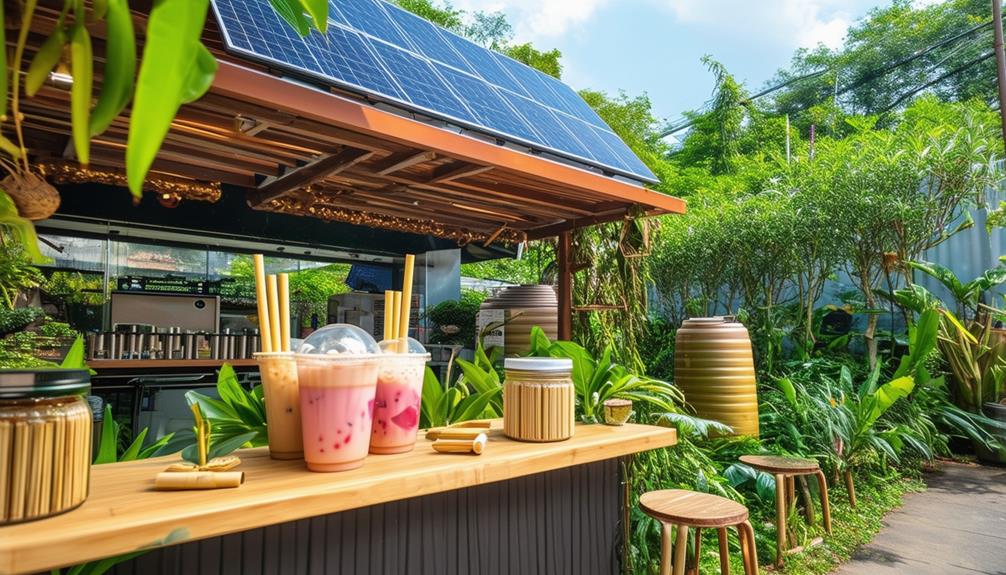
Opting for bubble tea shops that use eco-friendly packaging and source organic ingredients can significantly reduce your environmental footprint. Many establishments are minimizing waste by offering reusable cups and biodegradable materials. By supporting these sustainable practices, you can enjoy your favorite drink while contributing to environmental conservation.
Eco-friendly Packaging Solutions
Many companies in the bubble tea industry are shifting towards biodegradable materials for their cups, straws, and lids to reduce their environmental impact. This move aligns with the growing demand for sustainable practices within the beverage sector. By adopting eco-friendly packaging, these businesses cater to an eco-conscious market and play a crucial role in reducing plastic pollution.
Eco-friendly packaging solutions offer several benefits:
- Biodegradable materials: These break down naturally, reducing waste in landfills.
- Compostable options: They can be turned into nutrient-rich compost, supporting environmental health.
- Reusable products: Encouraging customers to bring their own containers helps cut down on single-use plastics.
- Innovative designs: New packaging solutions are designed to be both functional and environmentally friendly.
In the bubble tea market, these sustainable practices are gaining traction. Consumers are increasingly aware of their environmental footprint and prefer companies that prioritize eco-friendly packaging. By integrating these solutions, businesses not only meet consumer demands but also contribute to global efforts to combat plastic pollution. This creates a win-win situation for both the planet and the beverage industry.
Organic Ingredient Sourcing
As bubble tea businesses adopt eco-friendly packaging, they are also prioritizing the sourcing of organic ingredients to meet the rising demand for sustainable and socially responsible products. More companies are turning to organic sourcing to ensure their beverages are not only delicious but also environmentally friendly. This shift toward sustainable practices addresses growing consumer concerns about the environmental impact of their favorite drinks.
For instance, Covation Bio™ offers Zemea® USP-FCC propanediol, a plant-based alternative to petroleum-based glycols. This ingredient serves as a flavor carrier, processing aid, and humectant, making it a versatile and eco-friendly option for the bubble tea industry. By choosing such sustainable ingredients, companies can promote eco-friendly practices and appeal to a more environmentally conscious customer base.
Organic ingredient sourcing is not just about environmental benefits; it also embodies social responsibility. Choosing bubble tea made with organically sourced ingredients supports practices that benefit farmers, communities, and ecosystems. This approach resonates with consumers who prioritize sustainability and social responsibility, making it advantageous for everyone involved.
Waste Reduction Initiatives
Recognizing the growing need for sustainable practices, boba tea brands are launching waste reduction initiatives to minimize their environmental impact. Many shops are making a conscious effort to adopt greener methods, ensuring that enjoying your favorite drink doesn't harm the planet.
These waste reduction initiatives focus on several key areas:
- Biodegradable packaging: Brands are transitioning from traditional plastic to biodegradable materials for cups, lids, and straws.
- Reducing single-use plastics: Efforts include eliminating plastic straws and offering reusable alternatives made from metal, bamboo, or silicone.
- Recycling programs: Some shops are setting up in-store recycling bins and educating customers on proper disposal methods.
- Incentives for reusable cups: Customers can often get discounts or loyalty points for bringing their own cups, reducing the need for disposable containers.
These sustainable practices not only help reduce waste but also appeal to environmentally conscious consumers. By supporting boba tea brands that prioritize eco-friendly methods, you're contributing to a greener future. Next time you're craving boba, consider how your choices can make a positive impact on the environment.
Technological Advances
Technological advancements in the bubble tea industry are revolutionizing tapioca pearl production, addressing both sustainability and health concerns. With the rise of diet-conscious consumers, the development of sugar-free alternatives is a significant breakthrough. Integrating advanced equipment allows for more efficient production of tapioca pearls while maintaining rigorous quality control standards.
These innovations streamline the manufacturing process and ensure that every batch of pearls is consistent in texture and taste. Automation greatly reduces human error, making the bubble tea experience more reliable and enjoyable. Additionally, technology is paving the way for new flavors and textures, enhancing the variety of bubble tea options available.
Here's a look at some of these technological advancements:
| Aspect | Traditional Method | Technological Advances |
|---|---|---|
| Sugar-Free Alternatives | Limited options | Wide range available |
| Tapioca Pearl Production | Labor-intensive | Automated and efficient |
| Quality Control | Manual inspection | Real-time monitoring |
Market Expansion

The bubble tea market is expanding rapidly into emerging regions like Africa and South America, driven by increasing demand and strategic growth initiatives. Brands are seizing opportunities by targeting diverse consumer segments such as urban millennials, health enthusiasts, students, and young professionals, thereby contributing to a broader global footprint.
By understanding local consumer preferences, key players are customizing their offerings to match the unique tastes and cultures of these new markets. This approach not only broadens their customer base but also strengthens their market presence. Key factors driving this market expansion include:
- Rising demand: The popularity of bubble tea is growing, with consumers eager to try new flavors and textures.
- Health trends: Health-conscious consumers are attracted to customizable, lower-sugar options.
- Urbanization: Rapid urbanization in emerging markets increases the target audience with disposable income.
- Innovative marketing: Creative campaigns and social media buzz are boosting interest and engagement.
This strategic adaptation ensures brands remain relevant and trustworthy while maintaining semantic consistency and completeness across diverse markets.
Customization Trends
As the bubble tea market continues to expand globally, customization trends are becoming increasingly important to meet diverse consumer preferences and drive engagement. Consumers now have the ability to choose from a variety of flavors, sweetness levels, and toppings to create a drink that is uniquely their own. These personalization features are not mere gimmicks; they are instrumental in driving consumer loyalty and satisfaction.
Customization trends are reshaping the bubble tea landscape by offering more flexibility and variety. You can select your tea base, milk type, sugar levels, and toppings to craft a tailored beverage experience. This level of customization attracts a wider consumer base, including those with specific dietary needs or unique taste preferences.
Here is an overview of common customization options:
| Customization Feature | Options Available |
|---|---|
| Tea Base | Black, Green, Oolong, Herbal |
| Milk Type | Dairy, Almond, Soy, Oat |
| Toppings | Tapioca Pearls, Fruit Jellies, Popping Boba |
Market research indicates that these customizable offerings are essential for engaging consumers who desire personalized experiences. By focusing on these trends, bubble tea brands are not only meeting individual tastes but also paving the way for future innovations in the industry.
Conclusion
The future of boba tea is exciting and full of possibilities. From unique flavors like black sesame to health-conscious options with low sugar, the choices are expanding. Brands focusing on sustainability and technological advancements are enhancing the boba experience. As boba tea reaches new regions and offers more customization, there will be even more ways to enjoy this beloved beverage. The future of boba tea is promising, and it's yours to explore.