The Ritual of Tea Whisking in Japanese Ceremonies

When you think about tea, you might envision a simple beverage, but in Japanese ceremonies, the ritual of tea whisking transforms it into a profound cultural experience. Using a bamboo Chasen, the host meticulously blends matcha, with each movement rooted in centuries-old traditions and Zen Buddhist principles. This process is not merely about making tea; it is about fostering an atmosphere of harmony and respect, inviting participants to explore the almost spiritual dimensions of the practice. Curious about how each stroke of the whisk contributes to this intricate tapestry of meaning?
History of Tea Whisking
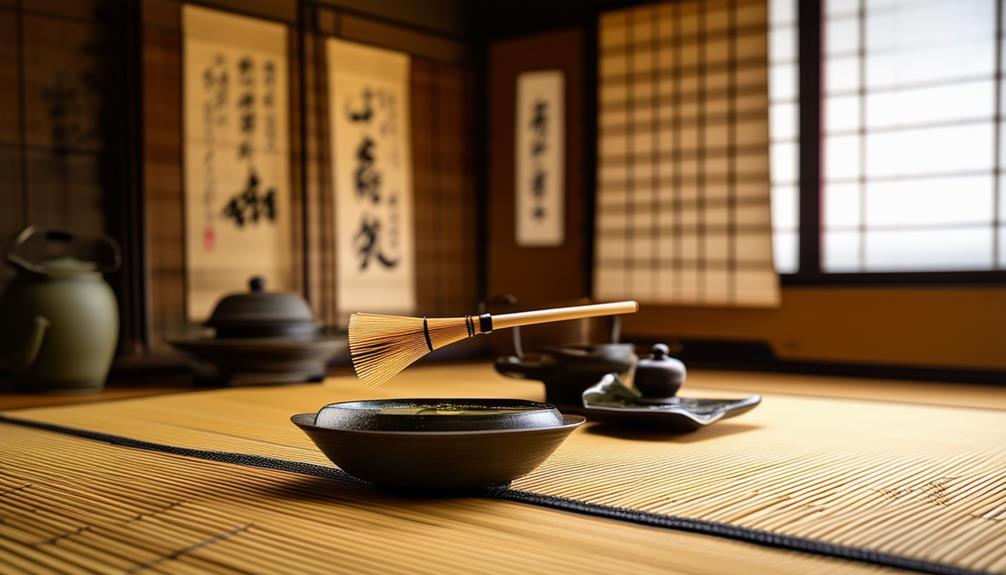
Tea whisking, or chasen, has been a cornerstone of Japanese tea ceremonies for centuries. The bamboo whisk used in these ceremonies is not just a tool but a symbol of the meticulous art of matcha preparation. Its intricate design is crucial for creating the smooth, creamy texture characteristic of matcha tea.
The history of the tea whisk is deeply intertwined with the evolution of the Japanese tea ceremony. Originally influenced by Zen Buddhism, these ceremonies emphasize mindfulness and the beauty of simplicity. The tea whisk, crafted from a single piece of bamboo, embodies this philosophy through its elegant yet functional design.
As the tea practitioner skillfully whisks powdered matcha with hot water, each motion is deliberate, ensuring a harmonious blend. This practice, refined over centuries, showcases the respect and mindfulness central to the ceremony. The bamboo whisk's design has remained largely unchanged, attesting to its perfection in performing its role. Proper maintenance of your tea whisk preserves the authenticity and quality of this timeless ritual.
Importance in Japanese Culture
The historical significance of tea whisking in Japanese culture cannot be overstated. This practice, which has been revered for centuries, goes beyond the simple act of making tea. It fosters social connections and brings people together in a serene and mindful environment. Participating in this ritual means engaging in a cultural tradition that emphasizes harmony, respect, and tranquility.
Historical Significance
The ritual of tea whisking, originating in the 16th century, holds profound significance in Japanese culture, embodying mindfulness, respect, and meticulous attention to detail. Central to this culture is the preparation of matcha tea using a bamboo tea whisk, known as a chasen, which creates a frothy and smooth texture, enhancing the tea's flavor and aroma.
During the 16th century, Japanese tea culture transformed with the introduction of the tea ceremony by notable figures like Sen no Rikyū. The bamboo tea whisk emerged as an essential tool, symbolizing the harmony between nature and craftsmanship. Each whisk is handcrafted, representing the artisan's dedication and the precision required in the ceremony.
Whisking matcha is more than a practical task; it is a meditative practice reflecting Zen Buddhist principles. The rhythmic motion fosters a sense of peace and presence, crucial aspects of the tea ceremony's historical significance. This ancient tradition has been passed down through generations, preserving the essence of Japanese culture and its deep-rooted values of hospitality and connection.
Social Connections
Tea whisking in Japanese ceremonies strengthens social connections by fostering mindfulness, respect, and harmony among participants. When you partake in this ritual, you're not just preparing tea; you're engaging in a meaningful shared experience that bridges interpersonal relationships.
Consider these key aspects:
- Mindfulness: The precise movements required in tea whisking encourage you to be fully present, enhancing a sense of unity.
- Respect: The ceremony instills deep respect for each participant, acknowledging their role in creating a harmonious atmosphere.
- Harmony: The rhythmic whisking creates a silent dialogue that reflects cultural and aesthetic values, promoting tranquility.
- Community: Sharing the act of whisking tea cultivates a sense of belonging, deepening bonds between the host and guests.
Through the rhythmic and precise movements of whisking, participants engage in a silent dialogue of cultural and aesthetic values, enriching interpersonal relationships. The process encourages presence in the moment, fostering unity and tranquility. Ultimately, the shared act of tea whisking promotes community and mutual understanding, making it a powerful tool for strengthening social connections in Japanese culture.
Essential Tools
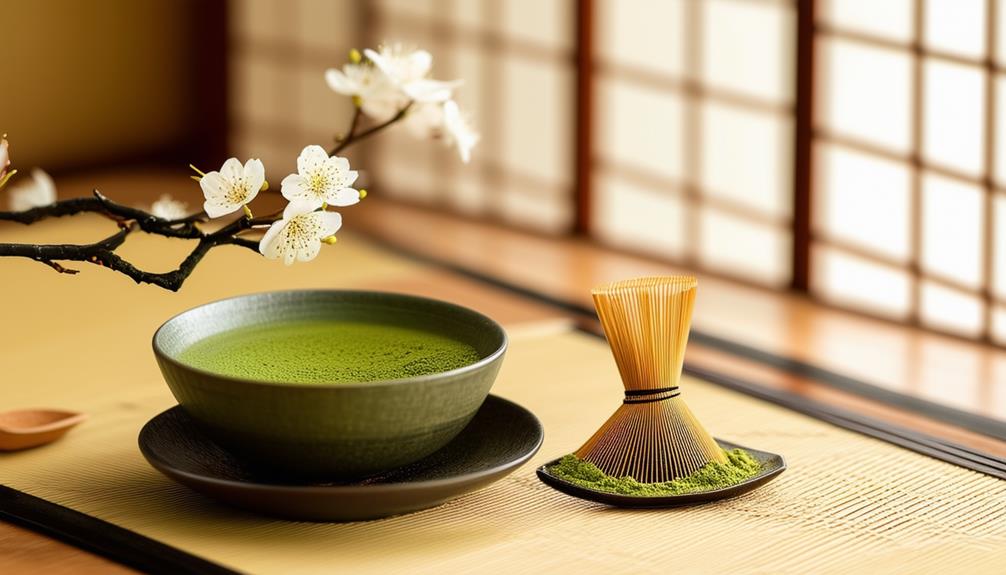
Among the indispensable tools in Japanese tea ceremonies, the Chasen stands out for its role in whisking matcha to perfection. This bamboo tea whisk is essential for creating the smooth, frothy consistency that characterizes well-prepared matcha. Handcrafted from a single piece of bamboo, the Chasen features delicate tines that aerate the tea, ensuring a delightful texture and rich flavor.
Different types of Chasen are tailored for specific forms of matcha. For instance, there are specific designs for thin tea (usucha) and thick tea (koicha). Each type of Chasen is crafted to optimize the whisking process, whether you aim for a light, frothy bowl or a more robust, thicker mixture. Choosing the right Chasen can significantly impact your matcha preparation, enhancing its visual appeal and taste.
Proper care and maintenance of your Chasen are crucial for its longevity and performance. Always air-dry it after use and store it in a special holder to maintain its shape and effectiveness. By doing so, you'll ensure that your tea whisk remains in top condition, ready to deliver perfect matcha every time.
Step-by-Step Process
To start preparing matcha, place a few scoops of the powder into your tea bowl and add hot water. This sets the foundation for the tea whisking process, transforming the matcha powder into a frothy, smooth tea. Grab your bamboo whisk, also known as a chasen, and hold it firmly.
Here's how to proceed with the whisking process:
- Begin with slow movements: Gently stir the matcha powder and hot water to dissolve the powder completely.
- Increase speed: Switch to a quick, back-and-forth motion, primarily using your wrist, to create froth.
- Focus on consistency: Aim for a creamy, frothy texture without large bubbles.
- Finish gracefully: Slow down your whisking and gently lift the chasen out of the bowl.
Proper whisking is crucial for achieving the desired texture and flavor of matcha tea. Well-whisked matcha has a smooth consistency, ensuring the powder is thoroughly mixed. Mastering this technique allows you to fully appreciate the delicate intricacies of Japanese tea ceremonies. By following these steps, you'll be well on your way to perfecting the art of tea whisking and enjoying a beautifully prepared bowl of matcha.
Symbolism and Meaning
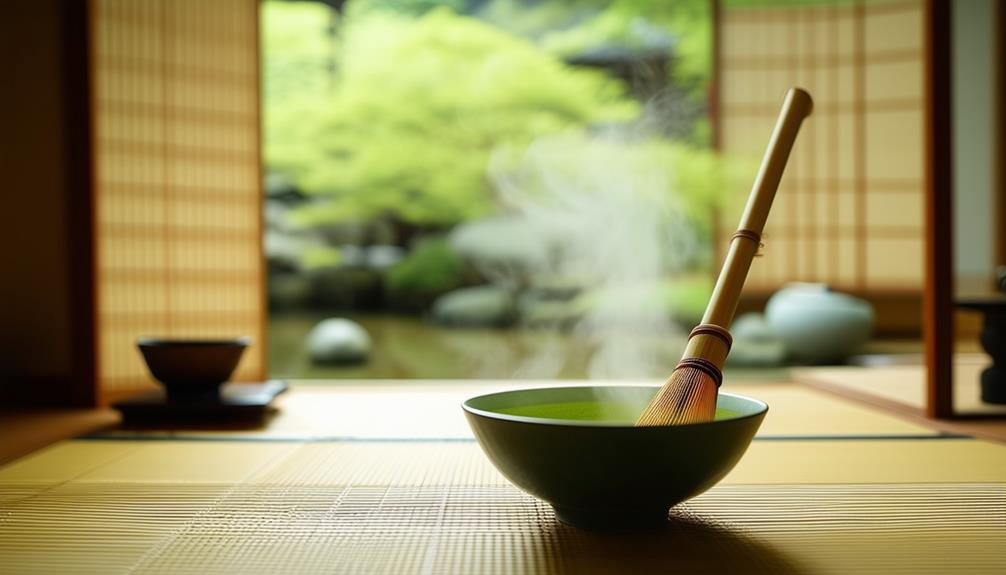
Whisking tea in a Japanese ceremony transcends mere preparation; it embodies a spiritual practice imbued with deep meaning. The rhythmic motion represents purity and harmony, instilling calm and focus. Each stroke connects you to centuries of tradition and mindfulness.
Spiritual Connection
Whisking tea in Japanese ceremonies purifies the mind and body, fostering harmony and tranquility. Engaging in this practice allows for a profound spiritual connection that permeates each aspect of the ritual. The swift and precise movements of whisking tea are not merely about creating a frothy texture; they symbolize aligning your spirit with the present moment. Each motion is a dance of harmony and mindfulness, bringing you closer to inner peace.
Here's what makes whisking tea such a meaningful practice:
- Purification: Whisking tea cleanses the mind and body, preparing you to fully engage in the ceremony.
- Focus: The sound of the whisk against the tea bowl helps you stay present and focused.
- Meditation: Whisking tea is a meditative practice that fosters mindfulness and a deep connection to the present moment.
- Blending: The frothy texture signifies the union of tea, water, and spirit, embodying the essence of the ceremony.
Through these elements, whisking tea becomes not just a physical act, but a spiritual exploration that nurtures your soul.
Purity and Harmony
In Japanese tea ceremonies, the ritual of whisking matcha embodies the core principles of purity and harmony. As you whisk matcha tea powder with hot water, you're not just creating a frothy drink; you're symbolizing the blending of elements. Each precise and graceful motion of the whisk reflects the harmony that the ceremony seeks to achieve. It's about more than just the tea itself; it's a meditative practice that brings a sense of balance and tranquility.
The sound of whisking is soothing and meditative, enhancing the overall experience. The rhythmic motion and sound help immerse you in the moment, creating a peaceful atmosphere. The act of whisking also serves a practical purpose: it aerates the tea, releasing its rich aroma and flavor, making the sensory experience complete.
Every step, from preparation to the final sip, is a tribute to the importance of purity and harmony in Japanese culture. By participating in this ritual, you're engaging in a practice refined over centuries, aimed at achieving a serene state of mind and a deeper appreciation for the simple act of enjoying tea.
Role of the Host
As the central figure in a Japanese tea ceremony, the host meticulously prepares the matcha, blending it to a perfect frothy consistency with precise and ritualistic movements. The host's role is crucial, as their skill in whisking reflects their training and dedication to the art of the tea ceremony. Using a bamboo whisk, known as a chasen, the host combines matcha powder and hot water in a tea bowl, moving the whisk in a specific pattern to create the desired frothiness and smoothness.
Whisking the matcha is not just about achieving the end result; it is a meditative act that symbolizes the host's commitment to creating a harmonious and enjoyable experience. The host's attention to detail and graceful movements emphasize the ceremony's spiritual and aesthetic values.
Key aspects of the host's role include:
- Preparation: The host carefully measures the matcha and water.
- Technique: The whisking motion is deliberate and rhythmic.
- Focus: Every movement is performed with mindfulness.
- Harmony: The host's actions aim to foster a serene atmosphere.
In the Japanese tea ceremony, the host's role transcends mere preparation; it embodies tradition and mindfulness, ensuring a memorable experience for the guests.
Guest Etiquette
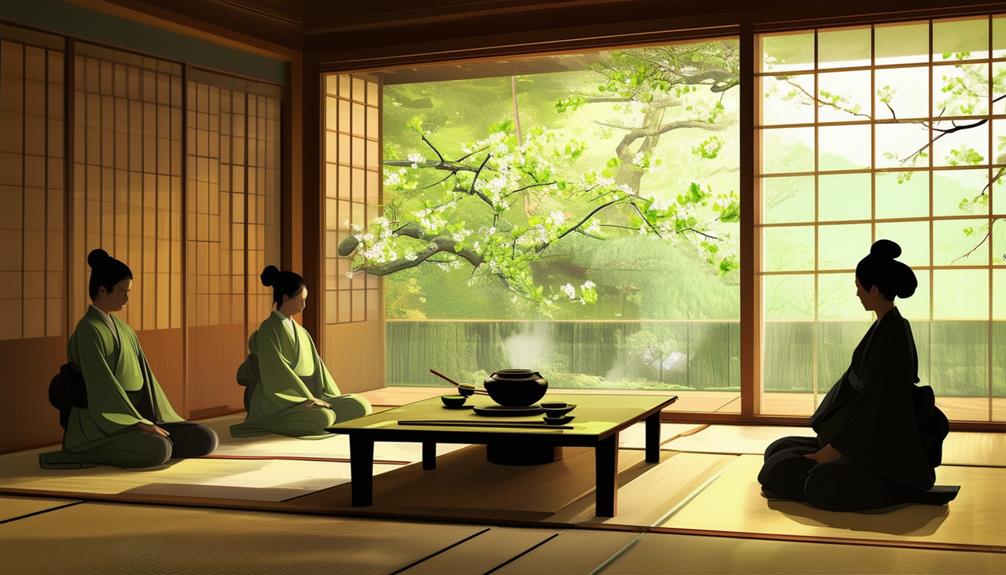
Guests should keenly observe and appreciate the host's meticulous tea whisking during the Japanese tea ceremony. Your role as a guest is crucial in maintaining the sanctity and flow of the ritual. Focus intently on the host's movements, recognizing the skill and precision involved in preparing the matcha tea. This appreciation is expressed through your respectful demeanor and quiet presence throughout the ceremony.
Proper guest etiquette goes beyond mere observation. Show genuine appreciation for the host's efforts by savoring each sip and reflecting on the tea's subtleties. This mindfulness demonstrates your respect and gratitude for the host's hard work.
Maintaining a respectful and quiet demeanor during the tea whisking ritual is essential. This creates a serene environment, allowing both you and the host to fully immerse in the ceremony. Your quiet attentiveness enriches the overall experience, enabling you to absorb the beauty and tradition of the tea whisking ritual. Your conduct is a reflection of your respect for this cherished cultural practice.
Types of Matcha
In the realm of Japanese tea ceremonies, understanding the types of matcha—koicha and usucha—can enhance your appreciation of the ritual. Both types originate from finely ground powdered green tea, yet their preparation and characteristics distinguish them.
Koicha, or thick tea, is prepared with a higher concentration of matcha and less water, resulting in an intense, rich tea often reserved for special occasions. Usucha, or thin tea, is lighter and frothier, achieved by using less matcha and more water, making it more commonly served in everyday tea ceremonies.
Key differences include:
- Koicha: Thick consistency, intense flavor, used in formal settings.
- Usucha: Frothy texture, lighter taste, suitable for casual ceremonies.
- Preparation: Koicha uses less water, while usucha uses more water to create froth.
- Occasions: Koicha is often reserved for significant events, while usucha is suited for more relaxed gatherings.
Understanding these nuances allows you to better appreciate the effort and tradition behind each cup. Whether savoring the robust koicha or the delicate usucha, each sip connects you to Japan's rich cultural heritage.
Seasonal Variations
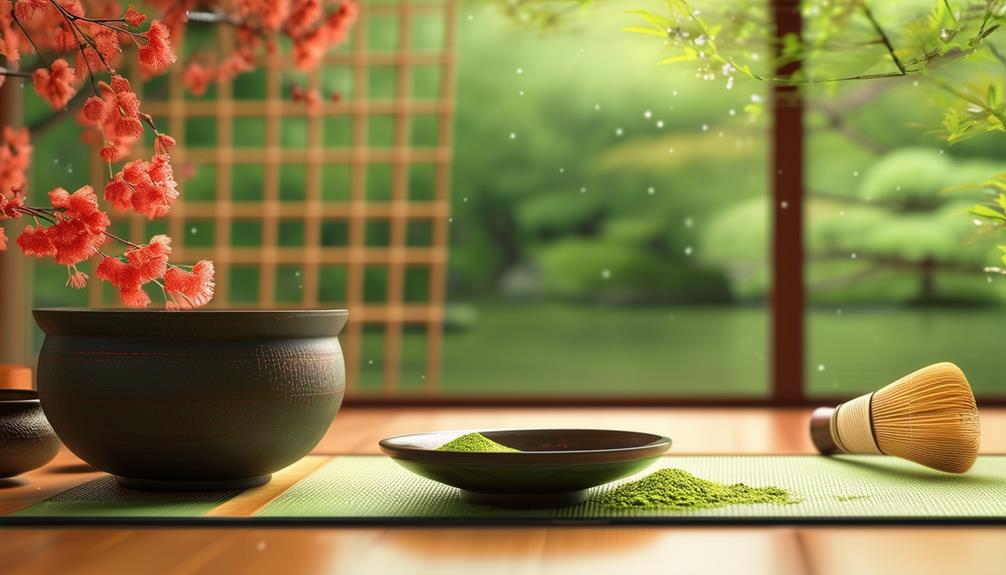
In Japanese tea ceremonies, the art of tea whisking beautifully adapts to each season, enhancing the experience with spring's floral accents, summer's cooling techniques, and autumn's earthy tones. These variations reflect the natural world and imbue the ceremony with a deeper sense of harmony. Through these subtle yet precise changes, one can truly appreciate the art of tea in every season.
Spring Floral Accents
Spring floral accents, such as cherry blossoms and peonies, infuse Japanese tea ceremonies with elegance and freshness. These seasonal flowers are more than mere decorations; they symbolize the transient beauty of nature and the changing seasons. The careful selection of floral decorations enriches the aesthetic and atmosphere of the ceremony.
Incorporating these flowers into Japanese tea ceremonies creates a harmonious environment that reflects a cultural appreciation for nature. The presence of spring floral accents makes the tea room feel fresh and inviting, adding sophistication to the ritual.
- Cherry Blossoms: Symbolize renewal and fleeting beauty.
- Peonies: Known for their lush, full blooms, they add richness to the setting.
- Ikebana Arrangements: Traditional Japanese flower arrangements that highlight the natural beauty of each blossom.
- Seasonal Greenery: Complementary foliage that enhances the main floral accents and ties the room together.
Summer Cooling Techniques
During the sweltering summer months, tea masters adapt their techniques to serve a cooler, more invigorating matcha. They meticulously adjust the temperature and consistency of the matcha to provide a rejuvenating experience. One key technique involves using colder water, sometimes even incorporating ice, to brew the tea. This results in a lighter, more soothing matcha that's ideal for hot weather.
The whisking process is also adapted for the season. Tea masters whisk the matcha with a delicate touch, focusing on creating a frothy yet light consistency. This ensures the tea remains invigorating and easy to drink, even on the hottest days. The goal is to produce a revitalizing matcha that cools you down and refreshes your senses.
These summer cooling techniques enhance the entire tea-drinking experience by adjusting the whisking process and incorporating colder elements. Tea masters provide a matcha that's both delightful and perfectly suited for the summer heat.
Autumnal Earthy Tones
As summer transitions to autumn, Japanese tea ceremonies embrace earthy tones to honor the season's natural beauty. This shift isn't merely aesthetic; it reflects a deep connection to nature's rhythm. The tea room is adorned with colors like brown, orange, and deep green, mirroring the autumnal palette.
Incorporating these hues into the ceremony enriches the ambiance and provides a sensory link to the changing landscape. Tea utensils and decorations often feature motifs of fallen leaves or harvest symbols, adding a layer of seasonal significance. This change in tones fosters a warm, inviting atmosphere that echoes the cozy feel of autumn.
- Tea utensils: Teapots, cups, and whisks often feature autumnal designs.
- Room decor: Seasonal motifs like maple leaves and chestnuts are common.
- Ambiance: Earthy tones create warmth and a connection to nature.
- Experience: Seasonal colors heighten the sensory enjoyment of the ceremony.
Where to Experience
You can experience the art of tea whisking in traditional Japanese tea ceremonies at dedicated tea houses or serene outdoor settings. These ceremonies typically occur in specially designed tea rooms, where participants engage in the delicate and precise movements of whisking matcha tea. Guided by experienced tea ceremony hosts, you'll immerse yourself in the sensory delights these ceremonies offer.
During a Japanese tea ceremony, you will observe the meticulous process of preparing matcha tea, which includes selecting the appropriate utensils and whisking the tea to achieve a frothy texture. The sound of whisking, the aroma of matcha, and the taste of the expertly prepared tea combine to create a rich sensory experience.
Additionally, you will learn about the cultural significance and mindfulness embedded in the ritual of tea whisking. The practice emphasizes harmony, respect, purity, and tranquility, allowing you to appreciate the deeper meaning behind each movement and gesture. Whether in a traditional tea house or an outdoor setting, these ceremonies offer a unique opportunity to connect with Japanese culture and the art of tea whisking.
Conclusion
Experiencing a Japanese tea ceremony envelops you in centuries of tradition and mindful practice. The rhythmic whisking of matcha with a bamboo Chasen transcends mere tea preparation, embodying harmony, respect, and tranquility. Each sip offers a deeper spiritual significance. Embrace the moment, free yourself from distractions, and immerse in this serene and enriching ritual.