The History of Afternoon Tea: How It Became a British Tradition
Imagine yourself in the early 19th century, feeling a mid-afternoon hunger pang. You'd likely reach for a light snack, just as Anna, the 7th Duchess of Bedford, did when she initiated what would become the iconic British tradition of afternoon tea. Her simple idea of bridging the gap between lunch and dinner quickly transformed into a sophisticated social affair. But how did a routine snack morph into a symbol of elegance and social status? And what elements were crucial in making this ritual so enduring and beloved? Uncover the path from a duchess's craving to a national pastime.
Origins of Afternoon Tea
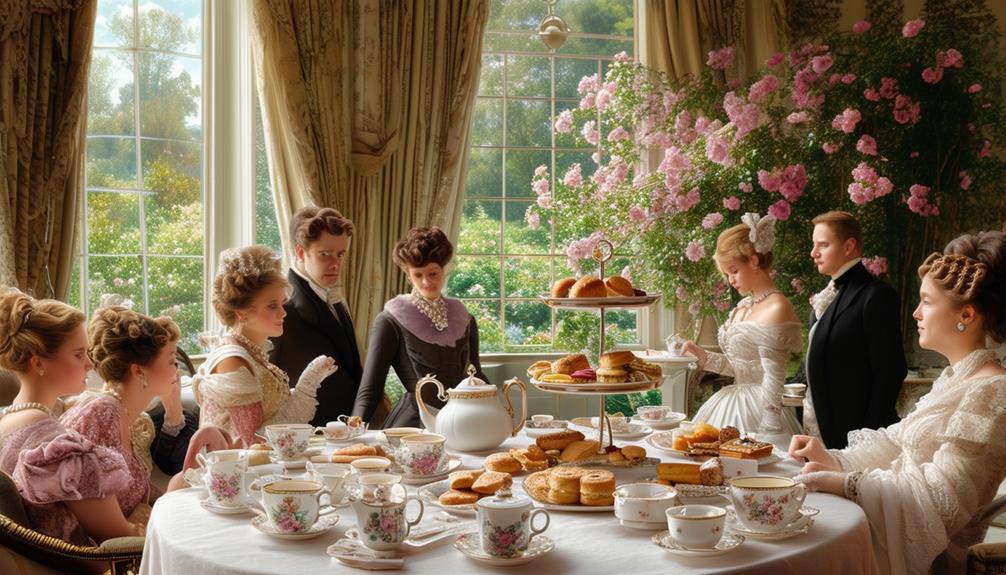
Although it might seem like a long-standing tradition, afternoon tea was introduced in England relatively recently, in 1840, by Anna, the 7th Duchess of Bedford. At the time, dinner was served late in the evening, leaving a long gap between lunch and dinner. Anna found herself experiencing a "sinking feeling" around 4 PM. To bridge this gap, she began taking a light meal of tea and snacks in her private quarters, thereby creating the concept of afternoon tea.
The custom of drinking tea itself was introduced to England by Portuguese Infanta Catherine de Braganza in the 17th century. Marrying King Charles II, she brought the tea-drinking habit from Portugal, which gradually blended into English customs. However, it wasn't until the seventh Duchess of Bedford's initiative that the ritual of afternoon tea was born, evolving into the traditional practice we recognize today.
Anna's idea quickly gained traction among her social circle, and what started as a simple snack soon transformed into a more elaborate social event. The origin of afternoon tea can thus be traced back to Anna's efforts to satisfy her afternoon hunger, establishing a tradition that would soon become a quintessential part of British culture.
Rise in Popularity
In the 1880s, afternoon tea evolved into a fashionable social event, allowing the wealthy to display their affluence through elaborate gatherings. London society witnessed a significant surge in the popularity of this British tradition as affluent families transformed their afternoon tea tables into symbols of luxury and social status. These gatherings transcended mere tea drinking; they became statements of opulence.
Attendees would have noticed the sheer indulgence. The focus shifted from modest snacks to sumptuous quantities of food, turning every tea party into a grand feast. Men, once absent from these affairs, began participating, further establishing afternoon tea as an essential social activity. The trend even extended outdoors, making tea a grand outdoor event during warmer months.
Picture the atmosphere:
- Elegant tables adorned with fine china and silverware
- Lavish spreads of finger sandwiches, scones, and pastries
- The soft murmur of conversations and laughter
- The unspoken competition to host the most opulent gathering
This rise in popularity not only solidified afternoon tea as a cornerstone of British tradition but also as a measure of one's social standing.
The Victorian Tea Ritual
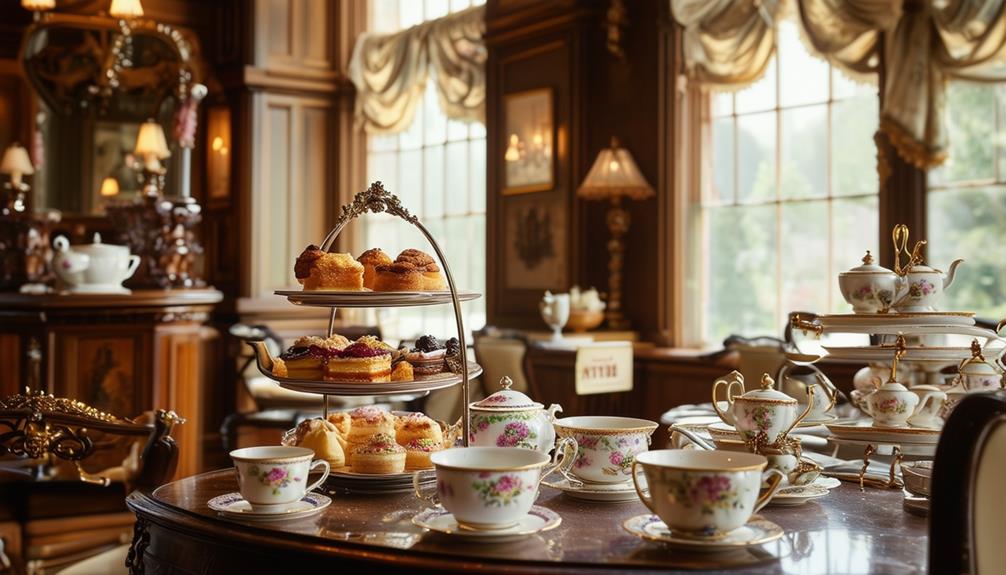
The Victorian era elevated the tradition of afternoon tea into a sophisticated social ritual rich with elaborate customs and nuanced etiquette. Women used this time to socialize independently of their husbands, making the Victorian tea ritual not just about the tea itself, but also about fostering social connections and observing intricate etiquette.
Afternoon tea became a showcase of hospitality, elegance, and refinement. Hosts typically served finger sandwiches, cakes, and scones, sometimes accompanied by sherry or claret. These gatherings, whether formal or informal, always maintained a sense of decorum and sophistication.
A typical Victorian tea setup included:
| Item | Description | Occasion |
|---|---|---|
| Finger Sandwiches | Filled with anchovy, sardine, or beef tongue | All gatherings |
| Cakes | Varied selection of sweet treats | Afternoon socializing |
| Scones | Served with clotted cream and jam | Highlight of the tea |
The afternoon tea ritual was a carefully orchestrated event where each element had its place and purpose. The selection of teas, presentation of foods, and inclusion of beverages like sherry or claret added layers of sophistication to the experience. This period truly immortalized the art of afternoon tea in British culture.
Afternoon Tea Menus
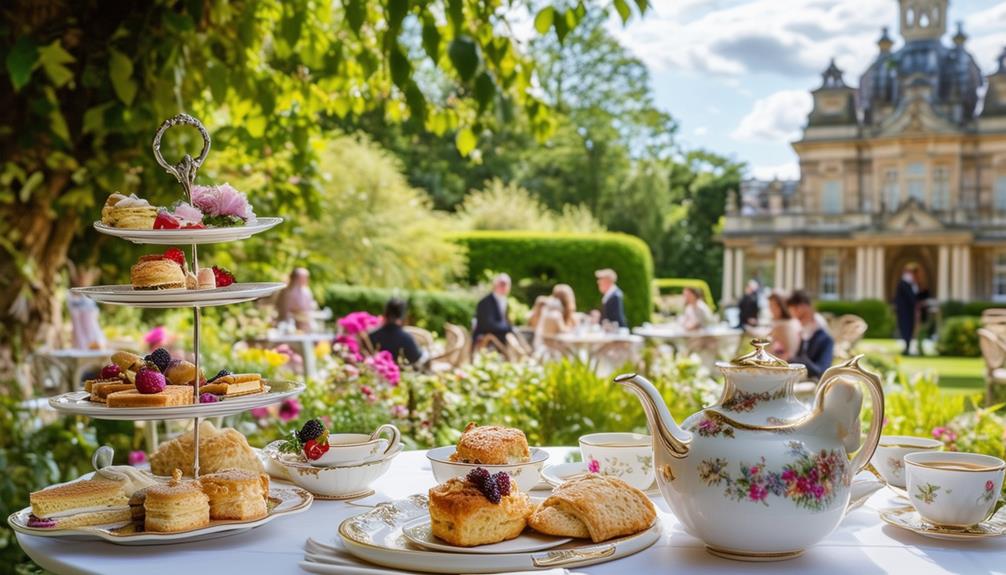
Traditional Afternoon Tea menus typically feature a delightful assortment of dainty finger sandwiches, scones with clotted cream and preserves, and an array of homemade cakes and pastries. These meticulously crafted elements create a feast for both the eyes and the palate.
The sandwiches are often small, crustless, and filled with classic ingredients like cucumber. The scones, a true highlight, are served warm with thick clotted cream and fruity preserves, making each bite a comforting indulgence. As you sip from delicate bone china cups, you'll enjoy an assortment of teas poured from elegant silver teapots, each adding to the overall grandeur of the experience.
To evoke the charm and tradition of Afternoon Tea, imagine:
- The fragrant aroma of freshly baked scones filling the air
- The clink of delicate bone china tea cups as you toast to good company
- The spread of vibrant preserves glistening on tea trays
- The sight of silver teapots reflecting the afternoon sunlight
Traditional Afternoon Tea menus offer a nostalgic passage through British culinary history, inviting you to savor each moment and every bite.
Modern Interpretations
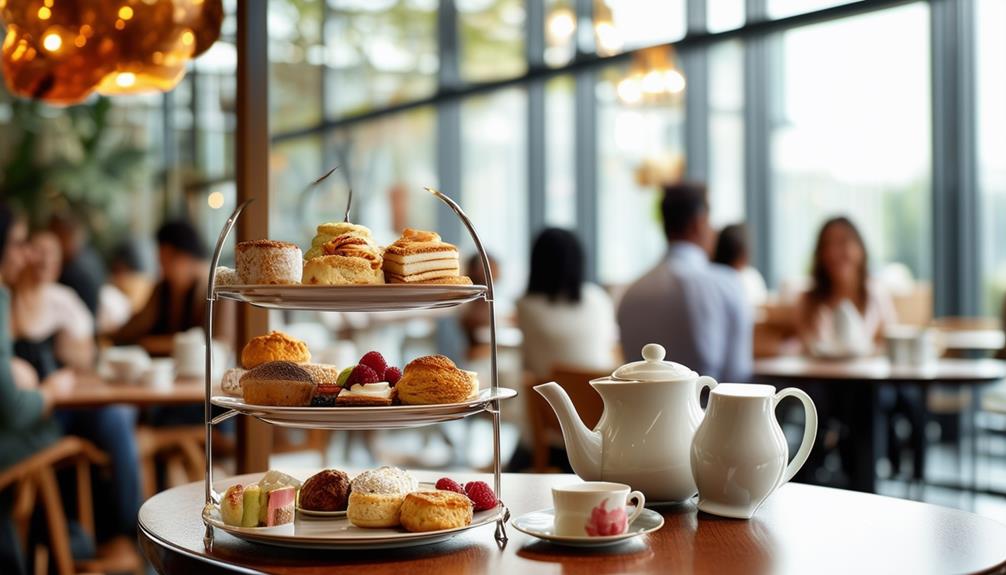
While traditional Afternoon Tea menus evoke nostalgia, modern interpretations infuse creativity and contemporary flair into this beloved ritual. Picture savoring a scone infused with Earl Grey and lavender—a delightful twist on classic recipes. Many establishments now offer themed afternoon teas, like Alice in Wonderland or Harry Potter-inspired menus, adding a fanciful touch to the experience.
Dietary preferences are well-catered to, with vegan and gluten-free options becoming increasingly popular. These modern interpretations don't stop at dietary inclusivity; they also embrace culinary innovation. Imagine experiencing afternoon tea with elements of molecular gastronomy—think edible bubbles and deconstructed desserts. Such creative twists elevate the usual tea-time fare to an artistic experience.
Tea selections have also evolved. Exotic tea blends and new flavors challenge the palate, replacing the usual brews with something more adventurous. Chefs and pastry artists continually experiment, pushing the boundaries to transform traditional recipes into modern masterpieces. Whether you stick with classics or try contemporary offerings, modern afternoon tea is a delightful blend of history and innovation.
Conclusion
You've now explored the rich history of afternoon tea, from its origins with the Duchess of Bedford to its rise as a symbol of Victorian elegance. This delightful tradition has evolved, yet it remains a cherished part of British culture. Today, you can enjoy both classic and modern interpretations that keep the essence of afternoon tea alive. So, the next time you sip your tea, remember you're part of a timeless, elegant tradition.