The Development of Edible Tea Cups: A Sustainable Innovation

Imagine sipping your favorite tea from a cup you can eat after finishing your drink. That's the essence of edible tea cups, a remarkable sustainable innovation. By replacing single-use plastics with biodegradable options made from natural ingredients like grains and oats, these cups help reduce waste and promote a circular economy. But how exactly do these cups impact the environment, and what goes into their creation? The transition from concept to market potential offers fascinating insights into a growing eco-conscious trend.
Origin of Edible Tea Cups
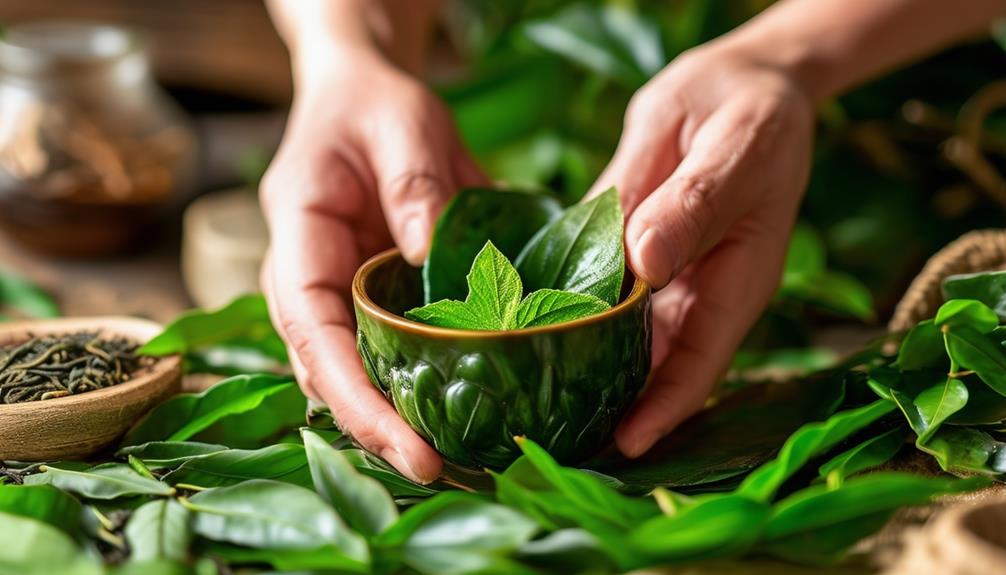
Edible tea cups emerged as an innovative response to the escalating issue of single-use plastic waste in the food and beverage industry. Designed to serve as a sustainable alternative to traditional plastic and paper cups, these inventive cups significantly reduce environmental pollution. Crafted from natural ingredients like grains and oats, they are both biodegradable and safe for consumption.
Choosing an edible tea cup not only supports sustainability but also enhances the overall consumer experience. These cups offer a unique twist to enjoying your beverage, allowing you to savor both the tea and the cup. Their blend of functionality and eco-friendliness makes them an attractive option in today's environmentally conscious market.
The growing popularity of edible tea cups is driven by their dual benefits: minimizing plastic waste and providing a novel, enjoyable experience for consumers. As awareness of the environmental impact of single-use plastics increases, so does the demand for sustainable alternatives. By opting for edible tea cups, you contribute to a greener planet while enjoying your favorite drink in a fun and inventive manner.
Environmental Impact
By choosing edible tea cups, you're not just enhancing your beverage experience but actively reducing the environmental footprint left by single-use plastics. Edible tea cups serve as an environmentally friendly alternative to traditional plastic and paper cups, which can take centuries to decompose. In contrast, these biodegradable cups break down naturally within a short period, significantly reducing waste in landfills and oceans.
Opting for edible tea cups means supporting sustainable products that contribute to a circular economy. Made from natural ingredients, these cups don't leave harmful residues upon disposal, even if incinerated. This guilt-free disposal method makes them a more sustainable choice compared to plastic and paper counterparts.
Incorporating edible tea cups into your daily routine promotes responsible consumption. You're not just minimizing waste; you're also encouraging manufacturers to continue developing eco-friendly solutions. The shift from plastic to sustainable alternatives like edible tea cups is crucial in mitigating environmental damage. By making this small change, you contribute to a larger movement toward a more sustainable and environmentally conscious future.
Manufacturing Process
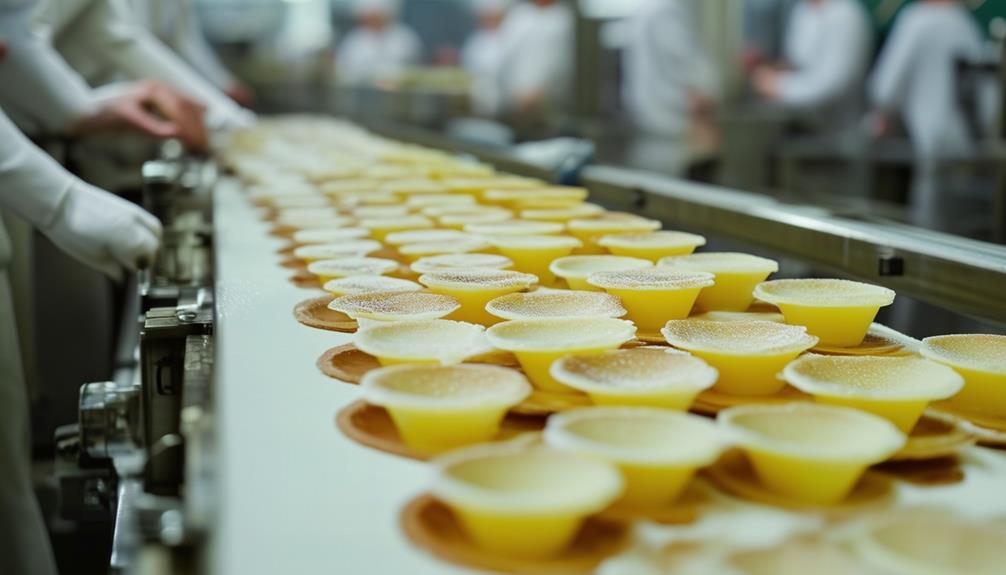
In the manufacturing process of edible tea cups, producers use natural ingredients like wheat flour and food by-products to create eco-friendly alternatives to traditional cups. They employ molding and shaping techniques to form cups that are both functional and aesthetically pleasing. These methods are crucial for achieving the desired shape and durability, ensuring the cups can hold hot beverages effectively.
Meeting food-grade standards is essential in this process. Producers rigorously test their products to ensure they are safe for consumption, adhering strictly to these standards. This guarantees that the edible cups are not only sustainable but also safe for consumers.
Quality control measures are implemented at various production stages to maintain consistency and durability. These measures ensure that each batch of cups meets high standards, providing a reliable product for consumers.
- Natural ingredients: Wheat flour and food by-products
- Molding techniques: Shaping and forming the cups
- Sustainable practices: Reducing environmental impact
Market Potential
Why does the market potential for edible tea cups appear so promising in the current eco-conscious landscape? Edible cups offer a creative and effective solution to reduce plastic waste, a significant concern in the food and beverage industry. With consumers increasingly demanding sustainable packaging options, edible tea cups directly address this need. Made from natural ingredients, these cups not only minimize waste but also significantly reduce greenhouse gas emissions when compared to traditional paper and plastic cups.
Moreover, edible tea cups provide a convenient and portable option for on-the-go beverage consumption, aligning perfectly with the fast-paced lifestyles of modern consumers. This seamless blend of convenience and sustainability makes them an attractive choice. A thorough Opportunity Analysis indicates significant growth potential in the market, driven by rising eco-consciousness and the demand for environmentally friendly solutions.
Here's a quick comparison to highlight the benefits:
| Feature | Traditional Cups | Edible Tea Cups |
|---|---|---|
| Material | Plastic/Paper | Natural Ingredients |
| Waste Generated | High | Minimal |
| Greenhouse Gas Emissions | High | Low |
Future Prospects
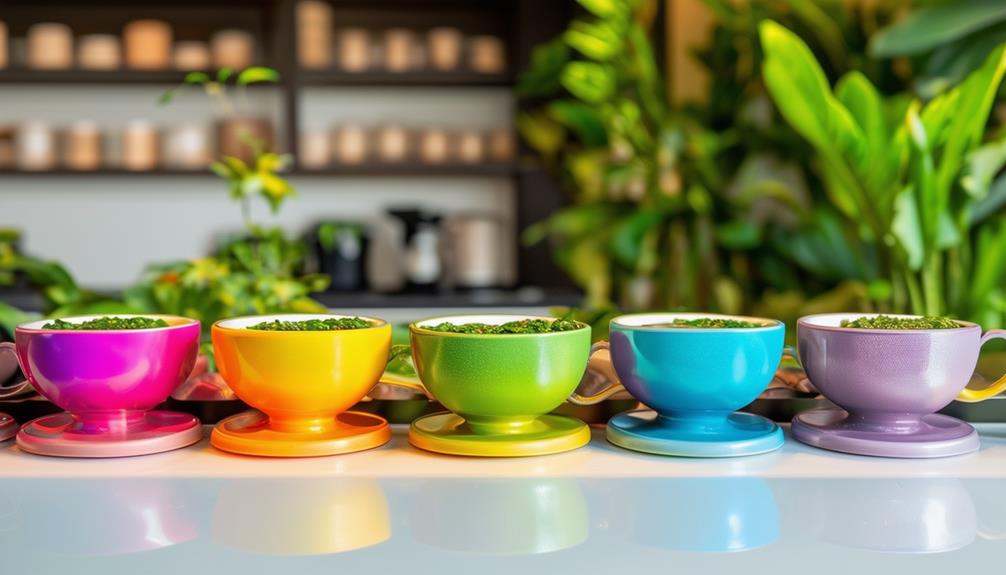
Looking ahead, the future prospects for edible tea cups are promising as eco-friendly trends and innovative collaborations continue to flourish. As more consumers embrace sustainable alternatives, these cups offer a distinctive blend of environmental responsibility and convenience, reducing plastic waste while enhancing the dining experience.
Here are some exciting developments on the horizon for edible tea cups:
- Collaborations with major brands: Partnerships with well-known food and beverage companies are expected to increase, driving broader adoption and raising consumer awareness.
- Innovation in ingredients: Ongoing research aims to improve the shelf life and functionality of these cups without compromising taste, using natural ingredients.
- Circular economy initiatives: The shift towards a circular economy is spurring innovation in edible packaging, positioning these cups as a crucial element in reducing environmental impact.
Conclusion
Discover the origins of edible tea cups, their positive environmental impact, and the manufacturing process behind them. With market potential growing due to increasing eco-consciousness, these cups represent more than just a trend—they're a sustainable solution. The next time you enjoy your tea, imagine savoring the cup too. By choosing edible tea cups, you're not just indulging in a unique experience; you're actively contributing to a greener planet. Make responsible consumption deliciously easy!