The Creation of Tea-Smoked Foods: Techniques and Recipes

Exploring the creation of tea-smoked foods reveals a captivating blend of traditional smoking techniques and the aromatic qualities of tea. Selecting the appropriate tea blend is crucial; whether you choose the robust flavor of Lapsang souchong or the delicate notes of jasmine green tea, each imparts a distinctive essence to your dish. The process involves meticulously preparing ingredients and creating smoking packets with a mix of tea leaves, rice, and spices. Achieving the perfect balance of flavors ensures that your tea-smoked dishes are a culinary success.
Choosing the Right Tea
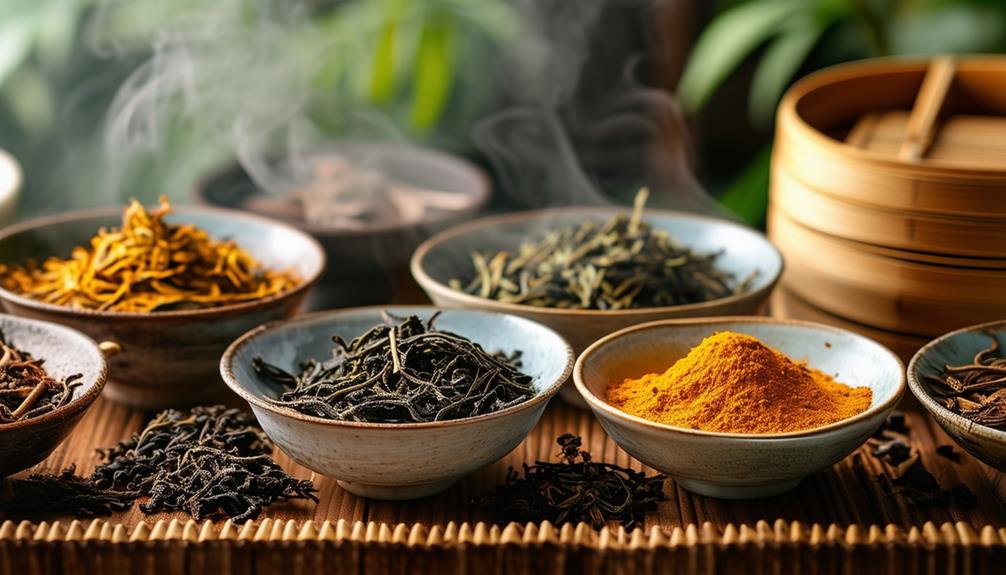
Selecting the appropriate tea is crucial for achieving the perfect flavor in your tea-smoked dishes. When smoking duck, a robust tea like lapsang souchong, known for its deep, smoky flavor, works best. This black tea lends a rich, ancient recipe quality to your dish, enhancing the meat's natural flavors. For a lighter touch, consider using green teas like jasmine. These teas are perfect for smoking delicate proteins, such as seafood, imparting a subtle, fragrant infusion without overpowering the natural taste.
If you're aiming for a warm and aromatic touch, chai tea is an excellent choice. Its blend of spices creates a complex and inviting flavor profile, ideal for a variety of smoked dishes. On the other hand, herbal teas like chamomile or lavender add unique floral and herbal notes, making them perfect for more adventurous culinary explorations.
Don't be afraid to experiment with different tea blends and seasonings to customize the flavor profile of your smoked dishes to suit your personal taste. The key is to find the right balance that complements the natural flavors of your ingredients.
Preparing the Ingredients
Now that you've selected the perfect tea, it's time to prepare your ingredients for smoking. Start with your main protein; duck breast is an excellent choice due to its rich flavor and ability to absorb smoky notes. Ensure the duck breast is clean and thoroughly patted dry to enhance its ability to absorb the smoke.
Next, assemble your smoking mix: loose tea leaves, uncooked rice, and brown sugar. This combination creates the aromatic smoke that will flavor your food. Mix the loose tea leaves with the uncooked rice and brown sugar. The rice regulates the burning process, while the brown sugar caramelizes, adding a subtle sweetness to the smoke.
Set up your grill by placing a metal burner shield over the heat source. The shield is essential for distributing heat evenly and preventing the smoking mix from burning too quickly. Once the metal burner shield is in place, add the tea-smoking mix.
Making Tea-Smoking Packets
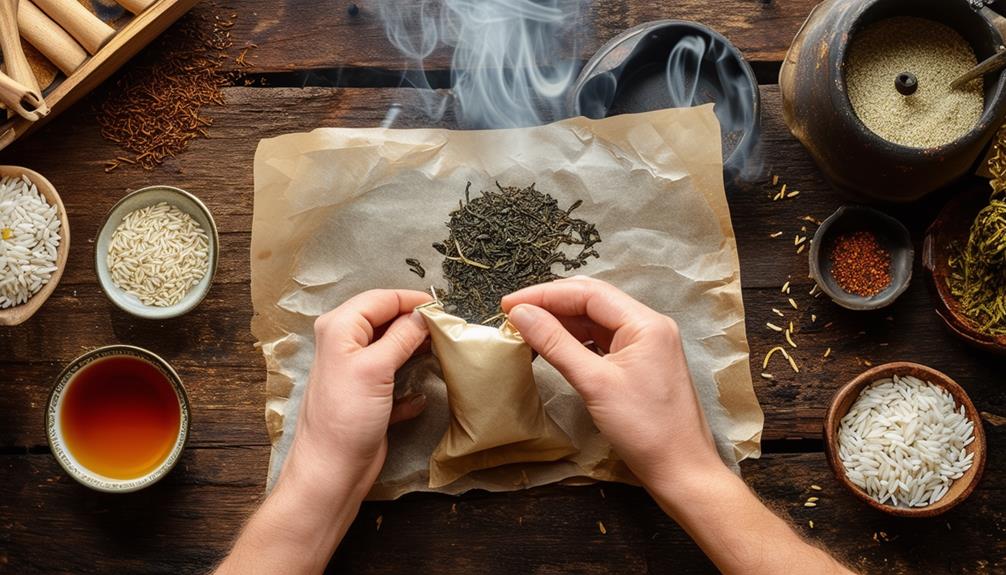
Crafting tea-smoking packets involves combining equal parts of tea leaves, uncooked rice, brown sugar, and aromatic spices. This mixture is essential for tea smoking, a technique originating from ancient China. The sugar accelerates the smoking process and caramelizes the ingredients, adding a rich layer of flavor.
To create your tea-smoking packets, follow these steps:
- Choose Your Tea: Experiment with different tea varieties such as black, green, jasmine, Earl Grey, or oolong to discover your preferred flavor profile.
- Enhance with Spices: Incorporate spices like star anise, peppercorns, cinnamon sticks, or cardamom pods to add depth and complexity to the smoke.
- Add Extra Ingredients: Mix in fennel seeds, coriander seeds, citrus rind, or ginger for added depth.
- Prepare the Packet: Wrap the mixture in aluminum foil, leaving small openings for the smoke to escape.
Place these packets on a charcoal grill to infuse your food with unique, smoky flavors. The versatility of tea smoking allows you to customize each packet to your taste, paying homage to the rich culinary traditions of ancient China.
Smoking Techniques
How can you effectively incorporate tea-smoking techniques into your cooking repertoire? Tea smoking is a versatile method that can be done using outdoor grills, stovetop woks, or commercial smokers. Start by selecting a suitable tea like Keemun or jasmine, as different tea leaves impart unique flavors to your dishes.
In Chinese cuisine, items are often pre-cooked before smoking to ensure they are tender and ready to absorb the smoky aroma. You can achieve this by steaming or boiling your proteins and vegetables initially. Alternatively, Western approaches may involve finishing the cooking process on a grill or in an oven, allowing the smokiness to meld with the food's natural flavors.
Proper air circulation and spacing are crucial when tea smoking. Ensure your grill or wok has adequate ventilation to allow the smoke to envelop the food evenly. Arrange your tea leaves, sugar, and rice mixture at the bottom, then place a rack above to hold the items being smoked. This setup helps create a balanced infusion of smoky tea flavors.
Delicious Recipes
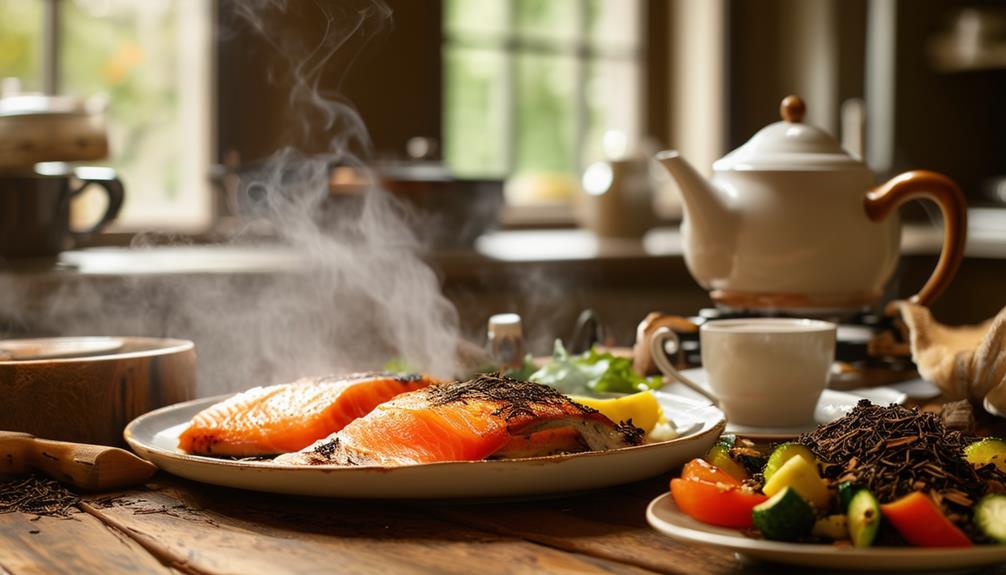
One standout recipe to try is tea-smoked duck, which combines a savory marinade with a unique smoking technique for an unforgettable dish. This ancient Chinese method uses a whole duck, making it a centerpiece that impresses both the eyes and the taste buds.
Start with a flavorful marinade using sherry wine, soy sauce, honey, and grated ginger. Let the duck soak in these flavors for a few hours. Next, prepare your smoking packet by combining star anise, Sichuan peppercorns, aromatic rice, brown sugar, and fresh orange peel. These ingredients create a smoky, aromatic blend that infuses the duck with deep, rich flavors.
Follow these steps for a perfect tea-smoked duck:
- Truss the whole duck to ensure uniform cooking.
- Prepare your grill for indirect heat by arranging the coals.
- Place the smoking packet directly on the coals and position the duck above it.
- Cook until the duck's internal temperature reaches 165-170°F.
After grilling, let the duck rest covered for about 10 minutes. This step allows the flavors to meld perfectly. Share your culinary success through print or social media, inspiring others with this extraordinary food experience.
Conclusion
You now have the knowledge to create delectable tea-smoked dishes right in your own kitchen. By selecting the appropriate tea, properly preparing your ingredients, assembling tea-smoking packets, and mastering smoking techniques, you can elevate your culinary creations. Don't hesitate to experiment with various tea types and seasonings, as each dish will be a unique reflection of your personal taste. Enjoy the process and savor the rich, smoky flavors!