How Do You Make Homemade Tea?

To make homemade tea, start by choosing your preferred type—green, black, white, oolong, or herbal. Use loose leaves from a reputable supplier for the best flavor. Measure about one teaspoon per cup of water. Heat fresh, filtered water to the appropriate temperature, around 160-180°F for green tea or 200-212°F for black tea. Steep the leaves for the recommended time: 2-3 minutes for greens, 3-5 minutes for blacks. Use a teapot for multiple servings or an infuser for convenience. Add sweeteners or milk if desired. For more tips and tricks to perfect your homemade brew, keep going.
Key Takeaways
- Choose the right tea type (green, black, white, herbal) based on your flavor preference.
- Use fresh, quality loose leaf tea from reputable suppliers for the best flavor.
- Measure one teaspoon of loose leaf tea per cup of water, adjusting for tea type and strength preference.
- Heat water to the correct temperature for your tea type (e.g., 160°F-180°F for green tea).
- Steep the tea for the recommended time (e.g., 2-3 minutes for green tea) to avoid bitterness or over-extraction.
Choosing the Right Tea
When it comes to making homemade tea, choosing the right tea leaves is crucial. You'll want to investigate a variety of tea types to find the best match for your taste buds. Green, black, white, oolong, and herbal teas each offer unique flavor profiles. Green tea often has a grassy, fresh taste, while black tea is robust and malty. White tea is delicate and slightly sweet, and oolong can range from floral to fruity. Herbal teas, like chamomile or peppermint, provide caffeine-free options with soothing or invigorating flavors.
When selecting your tea, think about the flavor profiles you enjoy. Do you prefer something bold and strong, or light and revitalizing? Green and white teas are great for those who enjoy subtlety, whereas black and oolong teas cater to stronger tastes. Herbal teas offer a wide range of flavors, perfect for any mood or time of day.
Experiment with different tea types to uncover your favorites. Don't be afraid to mix and match, creating your own blends for a personalized touch. With the right tea choice, you'll enhance your homemade tea experience to new heights.
Understanding Tea Varieties
Once you've selected the right tea, it's helpful to understand the different varieties and what makes each one unique. Let's start with the basics: all true teas—black, green, white, oolong, and pu-erh—originate from the Camellia sinensis plant. Differences in processing and oxidation levels create their distinct flavors and characteristics. For instance, black tea undergoes full oxidation, giving it a robust flavor, while green tea is minimally oxidized, resulting in a lighter, more delicate taste.
Beyond true teas, there are herbal infusions, often called tisanes. These aren't technically teas since they don't come from the Camellia sinensis plant. Instead, they're made from a variety of herbs, flowers, and fruits. Popular options include chamomile, peppermint, and rooibos. Each herbal infusion offers unique health benefits and flavors, catering to different tastes and needs.
Understanding tea origins can also improve your tea experience. For example, Darjeeling tea from India is known for its floral aroma and musky spiciness, while Japanese matcha offers a lively, grassy flavor due to its unique cultivation and processing methods. Knowing where your tea comes from adds an extra layer of appreciation to your homemade brew.
Selecting Quality Leaves
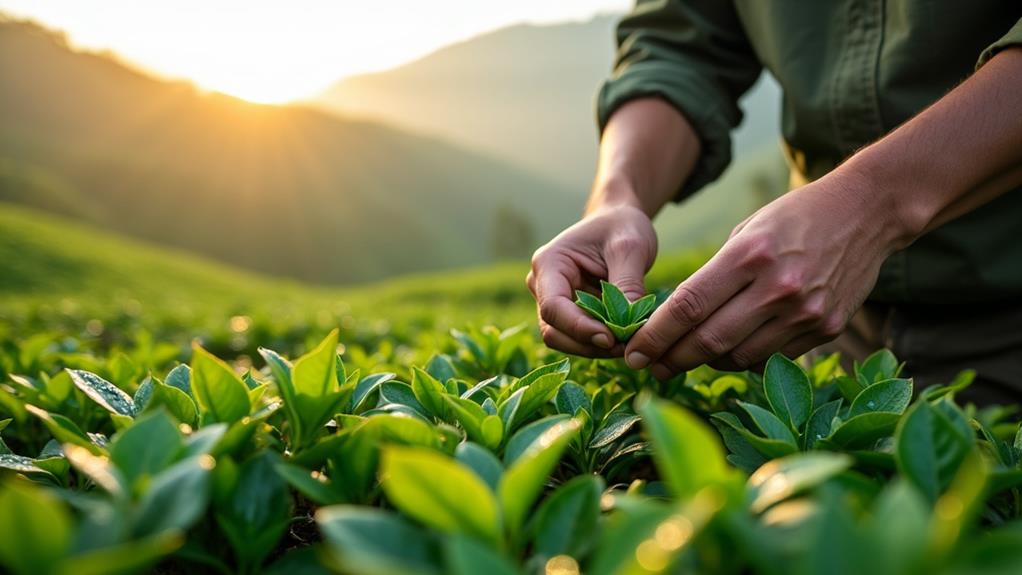
Choosing quality leaves is crucial for brewing a delicious cup of tea. Start by focusing on the type of tea you enjoy. Regardless of whether you prefer green, black, or herbal blends, the quality of the leaves greatly impacts the flavor and aroma of your tea.
To guarantee you're getting the best leaves, consider sourcing suppliers known for their high standards. Look for suppliers with good reputations and transparent sourcing practices. They should offer detailed information about where and how their tea is grown. Organic certifications and fair trade labels can also be indicators of quality and ethical sourcing.
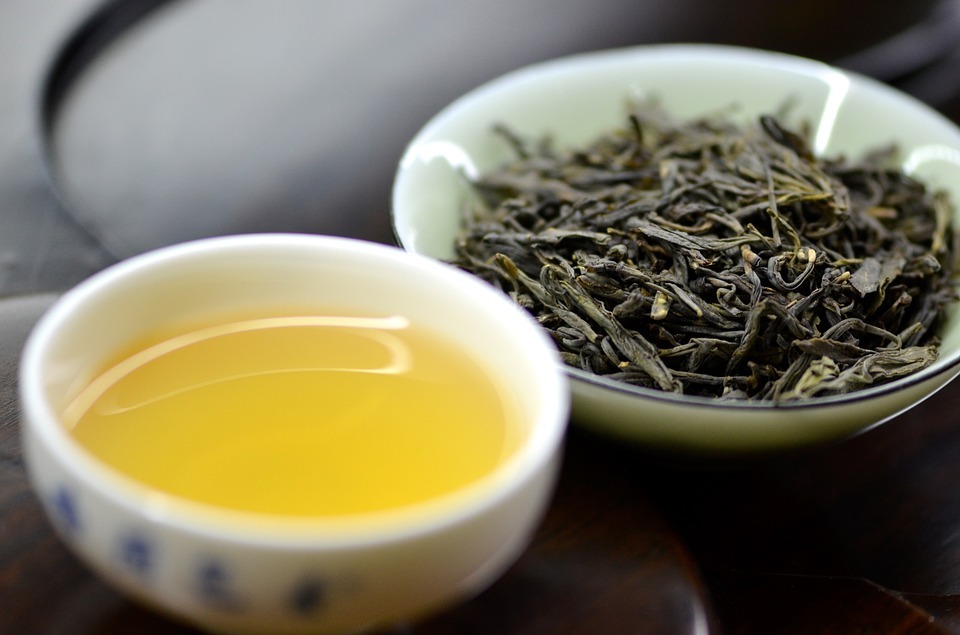
When you can, buy loose leaves rather than tea bags. Loose leaves tend to be fresher and offer a more robust flavor. Examine the leaves closely: they should be whole, not broken, and have a lively color indicative of freshness. For herbal blends, confirm the herbs are aromatic and not discolored.
Don't hesitate to ask suppliers questions about their products. Knowledgeable suppliers can provide insights into the best leaves for your specific tea preferences. By selecting quality leaves, you'll be well on your way to crafting the perfect homemade tea.
Measuring the Tea
Properly measuring your tea is essential to achieving the perfect balance of flavor and strength. Start with understanding the types of tea you're using. For example, green tea usually requires less tea per cup than black or herbal teas. Use measuring spoons or tea scales to guarantee consistency. Generally, a good rule of thumb is one teaspoon of loose leaf tea per cup of water. However, this can vary depending on the type of tea and your personal preferences.
A tea scale offers more precision, especially for teas with larger leaves or unique shapes. Weighing your tea allows you to experiment with brewing ratios to find the perfect flavor profile for your taste. For instance, you might find that 2 grams of tea per 8 ounces of water provides the ideal strength.
Consider serving sizes as well. If you're brewing a larger pot, you'll need to adjust the amount of tea accordingly. Always remember, personal preferences play a significant role. If you prefer a stronger brew, add a little more tea. By paying attention to these details, you'll be well on your way to mastering the art of homemade tea.
Heating the Water
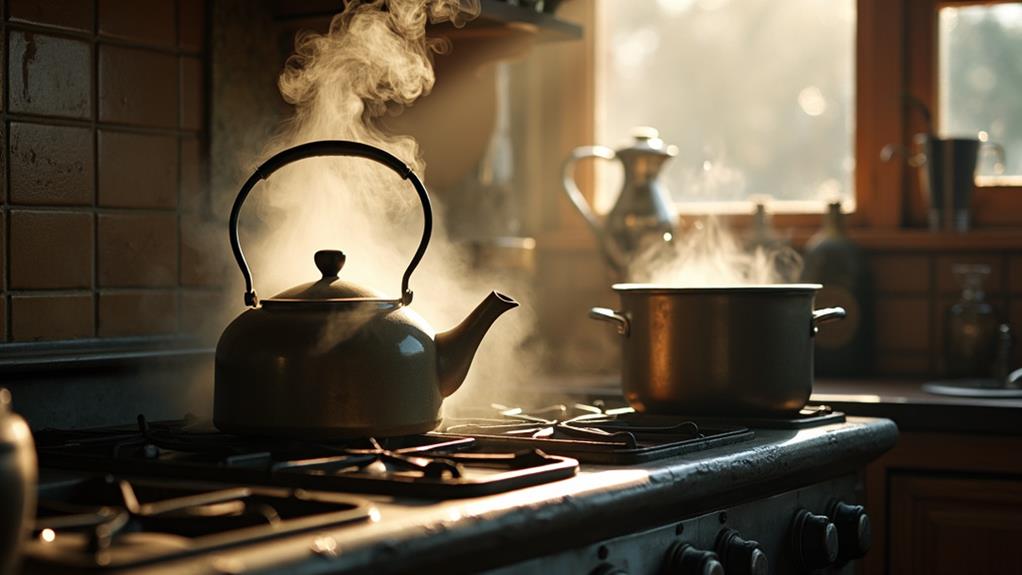
The temperature of your water is crucial for brewing the perfect cup of tea. Distinct types of tea require different water temperatures, and getting it just right can enhance your tea experience. There are several heating methods you can use to achieve the ideal temperature.
One common method is using a stovetop kettle. Simply fill the kettle with fresh water and place it on a burner set to medium-high heat. Keep an eye on it, as boiling water too long can alter its properties. If you prefer more precision, consider an electric kettle with adjustable temperature settings. These kettles allow you to choose the exact water temperature, making it easier to brew a range of types of tea accurately.
Another option is using a microwave, though it's less precise. Fill a microwave-safe container with water and heat it in short bursts, checking the temperature in between to avoid overheating. While not the most reliable, it's a quick alternative in a pinch.
Regardless of your heating method, always use fresh, filtered water. Tap water can contain minerals and chemicals that affect the tea's flavor. By paying attention to your water temperature and heating methods, you'll be well on your way to making delicious homemade tea.
Ideal Water Temperatures
When brewing tea, understanding the ideal water temperatures for different types of tea can make all the difference. The temperature of the water you use can greatly impact the flavor and aroma of your tea. For delicate green teas, aim for a water temperature between 160°F and 180°F. This prevents the leaves from burning and becoming bitter. If you're making black tea, use water that's about 200°F to 212°F. This higher temperature helps to fully extract the bold flavors.
For white teas, which are even more delicate than green teas, water temperatures should be between 160°F and 185°F. Oolong teas, falling between green and black teas with respect to oxidation, do best with water around 190°F to 200°F. Herbal infusions, such as chamomile or peppermint, can handle boiling water at 212°F, ensuring you extract all the beneficial compounds and flavors.
Steeping Times
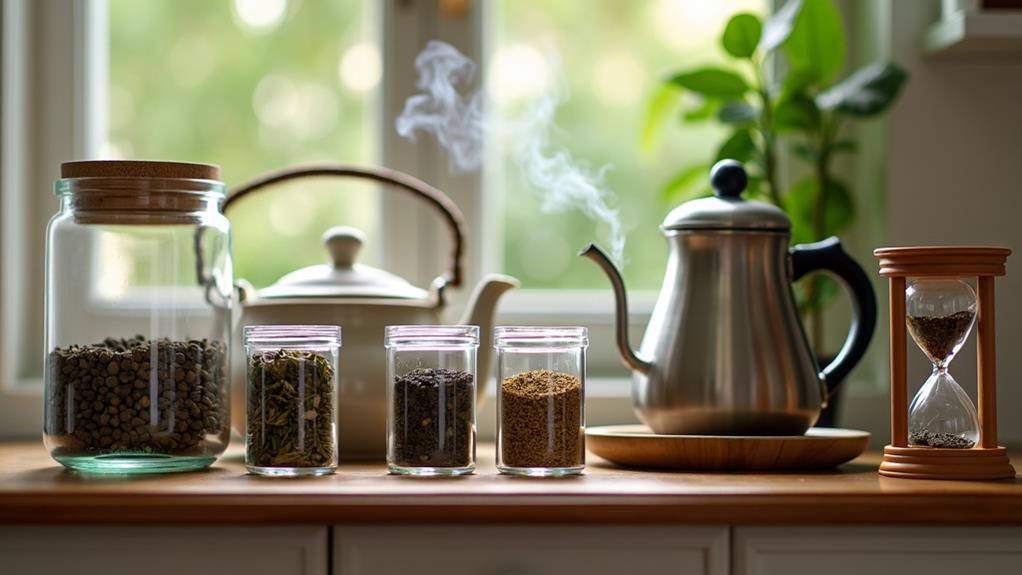
Steeping times play a crucial role in brewing the perfect cup of tea. The right time can bring out the best flavor profiles, regardless of whether you're preparing a delicate green tea or a robust black tea. Different steeping methods and tea types require varying times, so it's important to know these details to achieve the ideal brew.
Consider these time variations for different teas:
- Green Tea: Steep for 2-3 minutes to avoid bitterness.
- Black Tea: 3-5 minutes for a full-bodied flavor.
- Herbal Infusions: 5-7 minutes to extract maximum flavor and benefits.
- Cold Brewing: Steep for 6-12 hours in the refrigerator for a revitalizing taste.
Steeping vessels and tea accessories also influence how tea is brewed. Using quality accessories like infusers or specific pots can improve your tea rituals and guarantee an even steep. Cold brewing is an excellent method if you prefer a smoother, less astringent tea. The extended steeping time allows the flavors to meld beautifully without the need for heat.
Understanding and experimenting with steeping times will empower you to reveal the full potential of each tea type, making your homemade tea experience truly delightful.
Using a Teapot or Infuser
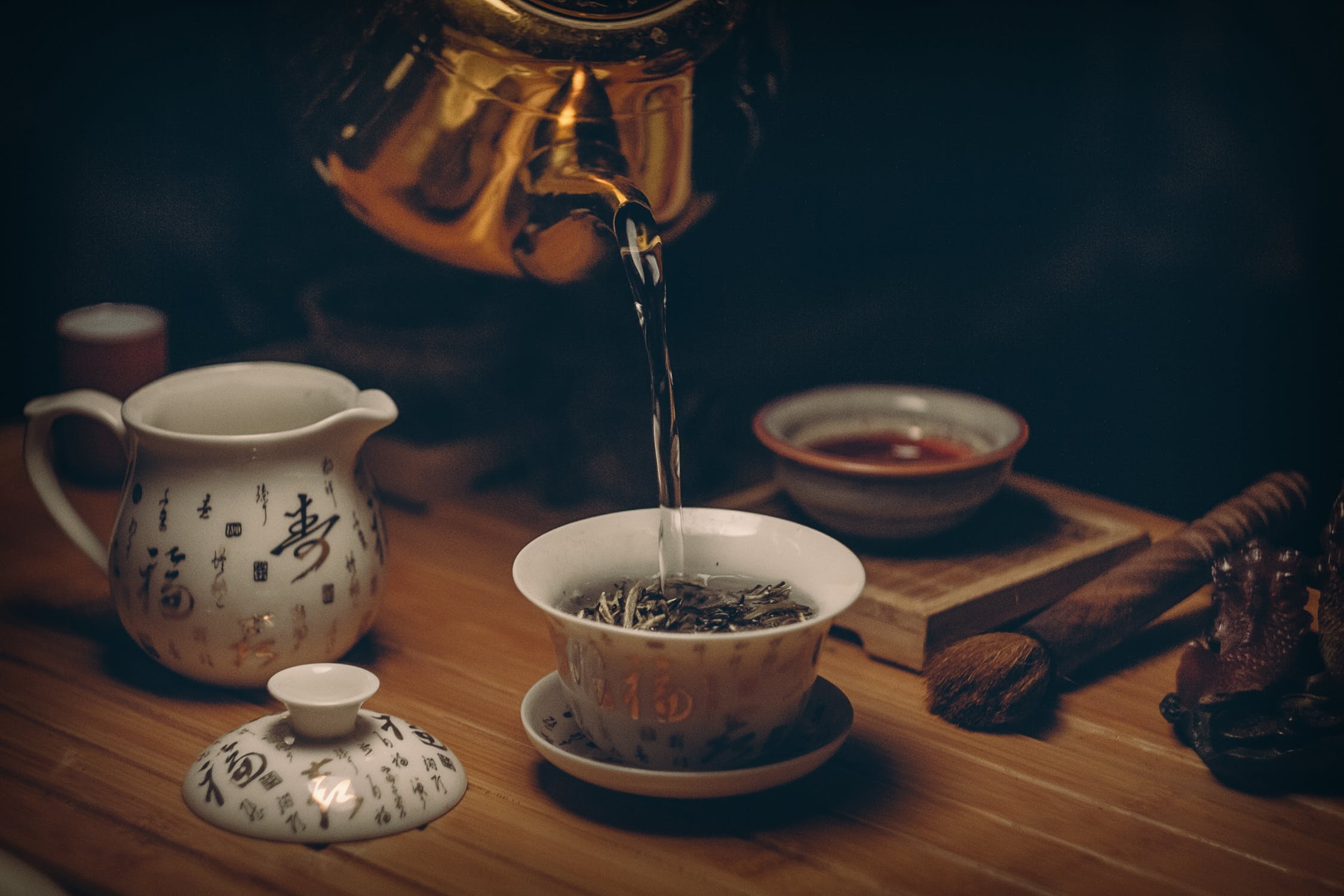
Choosing between a teapot or an infuser can greatly impact your tea brewing experience. If you opt for a teapot, you'll be delving into traditional teapot techniques. Start by warming the teapot with hot water to maintain the right temperature for steeping. Add your loose tea leaves, pour freshly boiled water over them, and let it steep for the recommended time. A teapot allows the leaves to unfurl fully, offering a more robust flavor. Plus, it's perfect for serving multiple cups in one go.
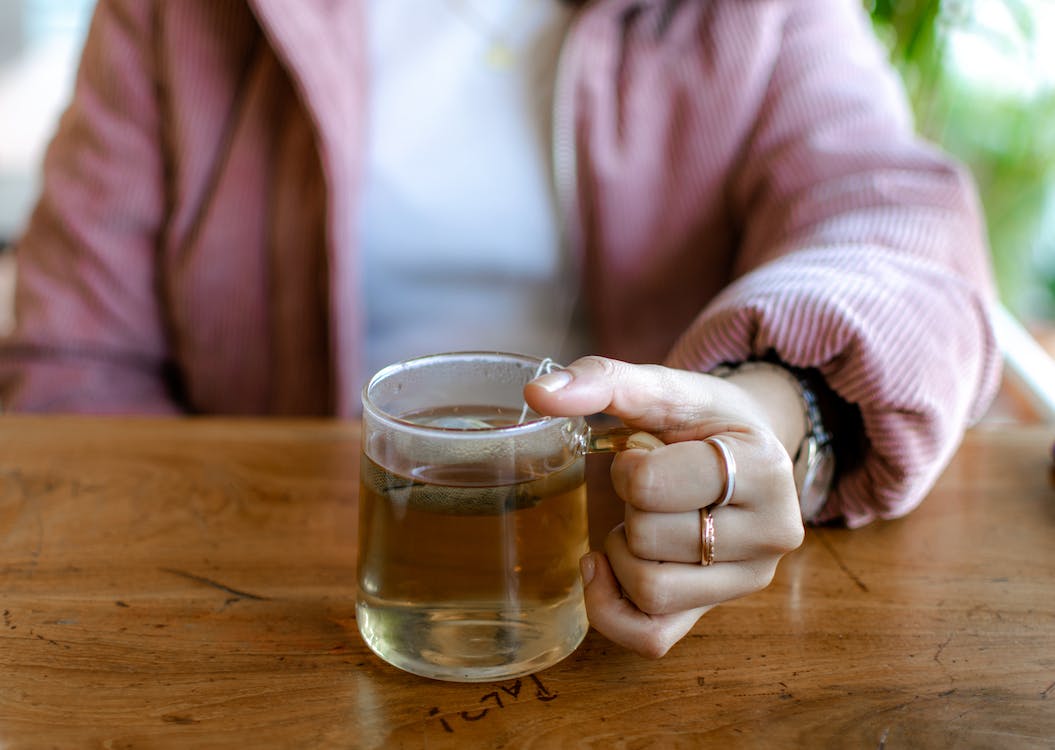
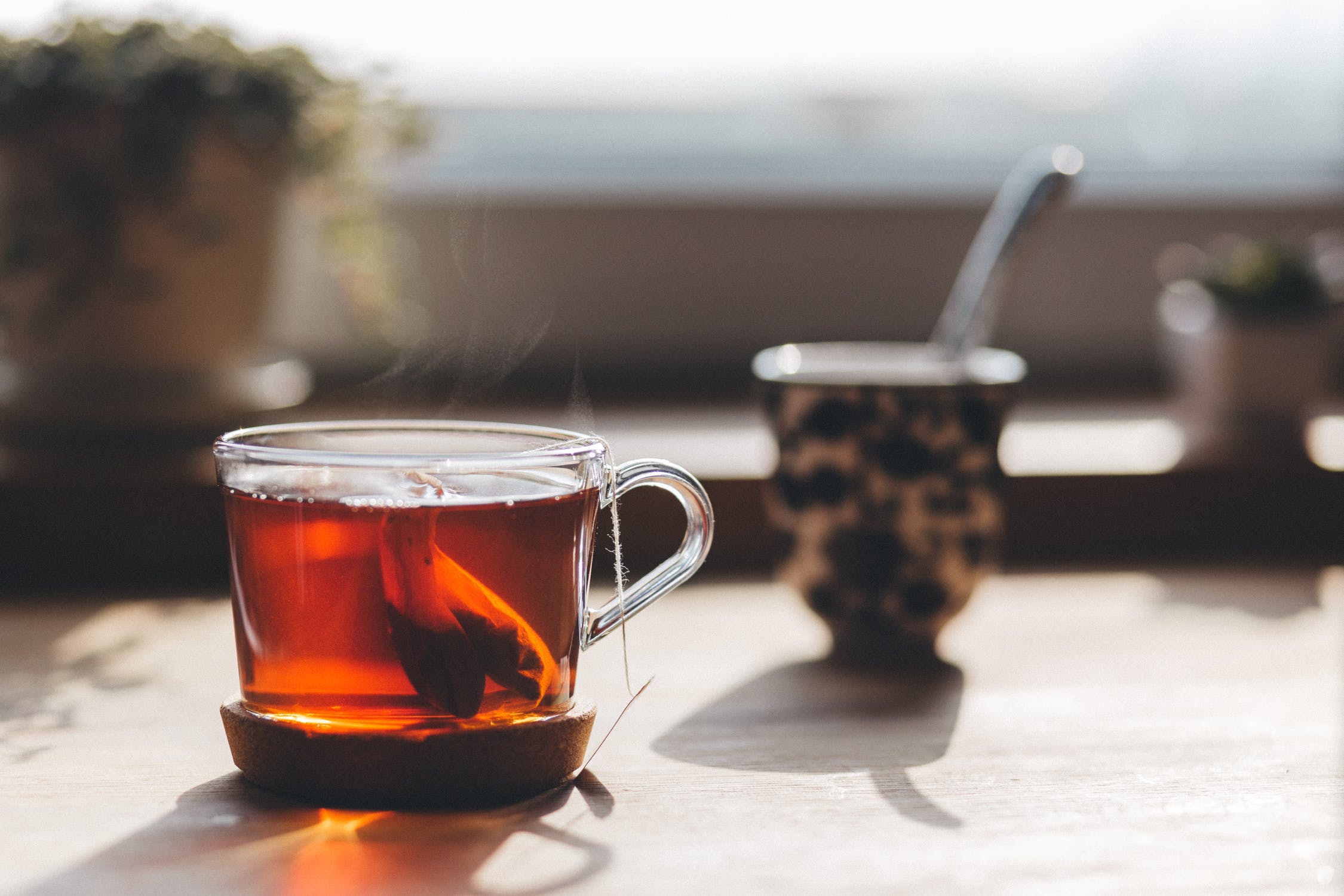
On the other hand, using an infuser has its own set of benefits. Infusers are incredibly convenient, especially if you're making tea just for yourself. They come in different forms, like mesh balls or baskets, and fit right into your cup. Simply place your loose leaves in the infuser, set it in your cup, and pour hot water over it. Infusers make cleanup a breeze since the leaves are contained, and they're great for controlling the strength of your brew by removing the infuser when your tea reaches the desired flavor.
Both methods have their merits, so choose the one that fits your needs best and enjoy your perfect cup of homemade tea.
Adding Sweeteners or Milk
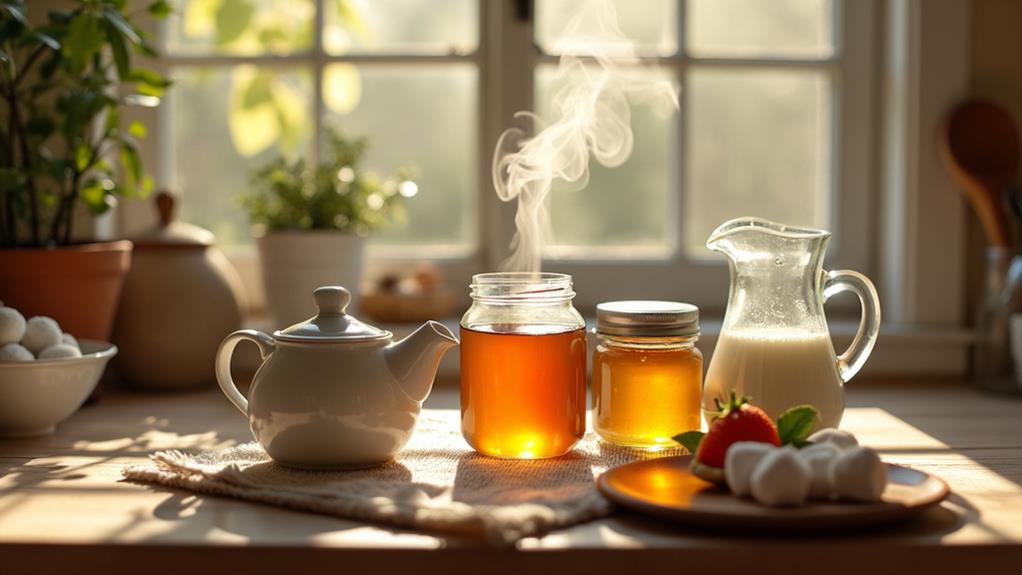
Now that you've chosen your brewing method, it's time to think about enhancing your tea with sweeteners or milk. Adding these elements can improve your tea experience, regardless of whether you're aiming for a traditional feel or a modern twist. Natural sweeteners like honey, agave nectar, or maple syrup not only add flavor but also come with health benefits. For those seeking fewer calories, stevia is a great option.
Consider incorporating milk alternatives if you're lactose intolerant or prefer plant-based options. Almond milk, oat milk, soy milk, and coconut milk each bring unique flavors and textures to your tea. The right flavor pairings can transform a simple cup into a delightful treat.
- Honey: Perfect for chamomile or green tea.
- Oat milk: Excellent with black tea for a creamy texture.
- Stevia: Ideal for those watching their sugar intake.
- Coconut milk: Adds a tropical twist to ginger or chai tea.
Cultural preferences also influence how tea is enjoyed. In the UK, adding milk to black tea is common, while in China, tea is often consumed without additives. Experimenting with these elements can also pave the way for creating tea cocktails, offering a fun and sophisticated drinking experience.
Enjoying Your Tea
Savoring your tea is more than just drinking a hot beverage; it's an experience that engages all your senses. Start by taking a moment to appreciate the aroma. Inhale deeply and let the scent of your homemade tea transport you to a place of relaxation. Tea rituals can improve this experience. For instance, you might want to use a special cup or set aside a quiet corner of your home where you can enjoy your tea undisturbed.
When it comes to flavor pairings, consider what complements the specific type of tea you're drinking. Green teas often pair well with light, fresh foods like salads or fruit. Black teas can be enjoyed with more robust flavors, such as dark chocolate or cheese. Experimenting with different flavor pairings can make each tea-drinking session unique and delightful.
Don't rush the process. Sip your tea slowly, letting the warmth radiate through the cup to your hands. Notice the different notes and how they evolve with each sip. Engaging in these tea rituals can turn a simple cup of tea into a moment of mindfulness and tranquility. Enjoying your tea is all about being present and savoring every drop.
Frequently Asked Questions
Can I Reuse Tea Leaves for a Second Brew?
Yes, you can reuse tea leaves for a second brew. When you do, adjust your tea steeping time to be a bit longer to extract more flavor. Different brewing methods might affect how well the leaves hold up for a second round. For instance, green tea often retains its flavor better than black tea. Experiment with your steeping time and water temperature to find what works best for your chosen tea.
How Should I Store Loose Leaf Tea?
For ideal tea storage, keep your loose leaf tea in an airtight container. Place it in a cool, dark place to maintain tea freshness. Avoid storing it near strong odors or moisture, as these can affect the flavor. If you can, use opaque containers to protect the tea from light. By following these steps, you'll guarantee your tea stays fresh and flavorful for a longer period.
What Are Some Health Benefits of Drinking Tea?
Drinking tea offers numerous health benefits. Thanks to its antioxidant properties, it can help combat free radicals in your body, potentially reducing the risk of chronic diseases. Tea also contributes to your daily fluid intake, which supports comprehensive hydration benefits. By incorporating tea into your routine, you're not only enjoying a soothing beverage but also promoting better health and well-being. So, next time you brew a cup, remember its powerful benefits!
Can I Make Tea Using Cold Water?
You can definitely make tea using cold water. It's called cold brewing. This method involves steeping tea leaves in cold water for an extended period, usually 6-12 hours. Cold brewing results in a smoother taste and better tea extraction of flavors without the bitterness. Just add your tea leaves to cold water, let it sit in the fridge, and enjoy your revitalizing cold-brewed tea.
How Can I Make Iced Tea From Hot Tea?
To make iced tea from hot tea, start by brewing your favorite tea using traditional brewing techniques. Once brewed, let it cool to room temperature, then transfer it to a pitcher. Add ice cubes and refrigerate until chilled. For flavor improvements, consider adding fresh mint, lemon slices, or a splash of fruit juice. Sweeten to taste with sugar or honey, and you've got invigorating iced tea ready to enjoy!